

Impact of Immigration Raids on Essential Industries in the U.S.
The *U.S. government* has recently decided to pause immigration raids on farms, restaurants, and hotels, as reported by a U.S. official who spoke on the condition of anonymity. This move reflects the growing concerns voiced by the President himself regarding the detrimental effects of aggressive immigration policies on key economic sectors.
This decision marks a significant shift in the approach to enforcing immigration laws, which had intensified raids at workplaces over recent weeks.
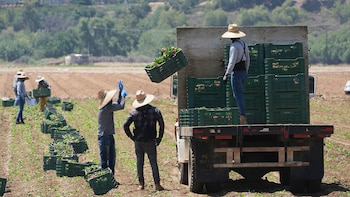
According to The New York Times, Tatum King, an official with the National Security Investigations unit of *Immigration and Customs Enforcement (ICE)*, sent a directive to regional leaders last Thursday to cease investigations in industries such as agriculture, meatpacking, and hospitality.
This decision follows weeks of operations aimed at significantly increasing the number of daily arrests, soaring from about 650 to 3,000, as stated by Stephen Miller, Deputy Chief of Staff and chief architect of federal immigration policies.
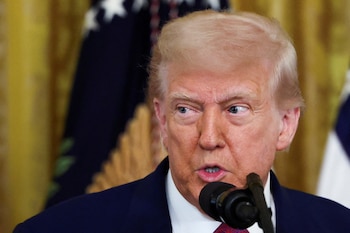
Former President Trump has expressed his concerns about the impact of these raids on sectors like agriculture and hospitality through his platform Truth Social. According to Trump, these industries have reported challenges in replacing workers with years of experience, leading to strains in the supply chain and essential business operations.
In his message, Trump stated: “Our farmers and those in the hospitality and leisure sectors have been saying that our aggressive immigration policy is taking away excellent workers with many years of experience, and that these jobs are nearly impossible to replace.”
The decision to pause arrests in these sectors reflects the limits of the promise of mass deportations, especially when they affect industries that rely heavily on undocumented workers.
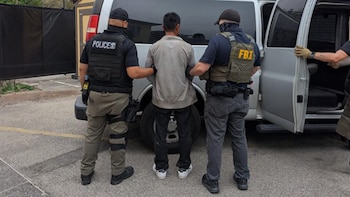
According to The Associated Press, the *Department of Homeland Security* did not question the directive, with spokesperson Tricia McLaughlin asserting that the priority will remain to remove the “worst illegal foreign criminals” from the streets.
Recently, ICE raids have had a significant impact on agricultural communities and other productive sectors. In California, agricultural offices have reported that operations in packing plants and fields threaten the stability of businesses that supply food to much of the country.
In *Ventura County*, known for growing strawberries, lemons, and avocados, dozens of agricultural workers were arrested, while many others have stopped coming to work out of fear of being detained.

A notable case occurred in Omaha, Nebraska, where ICE made over 70 arrests at a food packaging company. The owner of Glenn Valley Foods claimed that the company was enrolled in a voluntary program to verify employees’ immigration status, but after the raids, the company operated at 30% of its capacity while seeking replacements.
The tightening of immigration policies has also been evident in the so-called sanctuary cities , where local authorities limit cooperation with ICE. According to Tom Homan, the White House border czar, the agency has intensified its presence in communities and workplaces in these jurisdictions. In statements to Fox News, Homan warned, “If we cannot arrest them in jail, we will arrest them in the community. If we cannot arrest them in the community, we will increase our control operations at jobs. We will flood the area.”
The decision to pause arrests in key sectors may be seen as an effort to balance immigration law enforcement with the economic needs of the nation. However, the tensions between deportation policies and the reliance of certain sectors on undocumented workers continue to present challenges.