
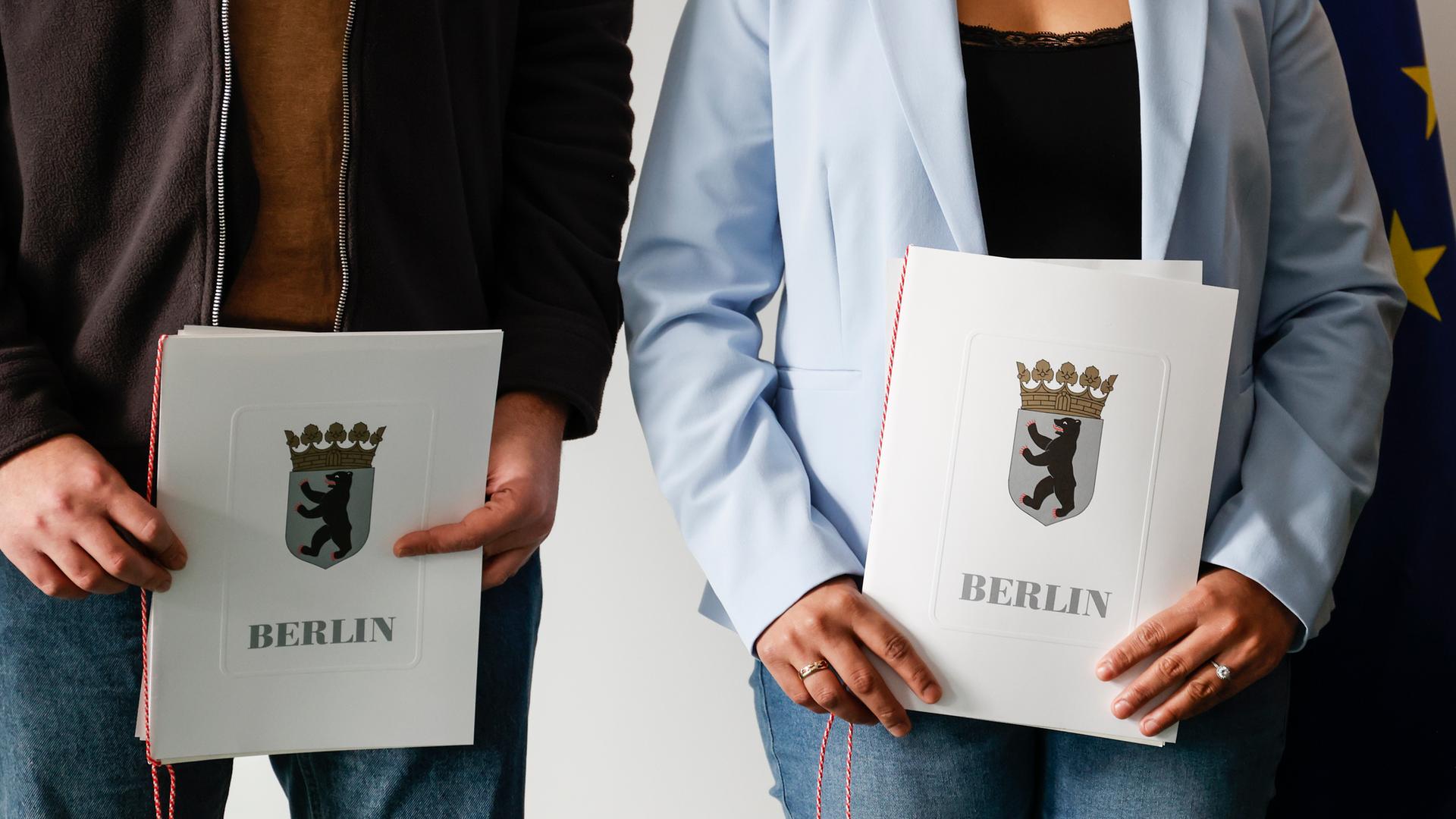
The Process of Naturalization in Germany
Naturalization is a significant step for many immigrants wishing to embrace their new homeland. The naturalization process in Germany is governed by several laws and regulations that aim to integrate new citizens into society effectively. This article delves into the key aspects of this process, highlighting its importance and addressing some challenges involved.
Understanding Naturalization
Naturalization refers to the legal process through which a foreign national can acquire citizenship in a new country. In Germany, this involves fulfilling specific criteria such as residency, language proficiency, and knowledge of the country’s legal and social systems.
Residency Requirements
One of the primary requirements for naturalization is the duration of residency. Generally, an individual must reside in Germany for at least eight years. However, this period may be reduced to seven years with the completion of an integration course, or even just three years if the applicant is married to a German citizen.
Language Proficiency
Another critical component is language proficiency. Applicants must demonstrate their ability to communicate effectively in German, typically requiring them to reach a B1 level in the Common European Framework of Reference for Languages (CEFR). This requirement ensures that new citizens can engage meaningfully in their communities and understand the fundamental aspects of German society.
Knowledge of German Society
In addition to language skills, intending citizens must also acquire knowledge about German history, culture, and political systems. This is often evaluated through a citizenship test, where applicants answer questions related to Germany’s legal structure, history, and cultural values.
Financial Stability
A crucial factor influencing naturalization is the financial stability of the applicant. Individuals must show that they can support themselves and their dependents without relying on welfare benefits. This requirement emphasizes the importance of contributing to the local economy and fostering self-sufficiency.
Challenges in the Naturalization Process
While the process is designed to facilitate integration, many individuals face various challenges. Delays in processing applications can often lead to uncertainty for applicants, which might impact their personal and professional lives. Furthermore, discrepancies between different local authorities regarding requirements or processes can create confusion.
Family Reunification Issues
Another significant challenge is the issue of family reunification. Critics have highlighted the complexities surrounding family reunification as a serious barrier to integration. For many immigrants, the ability to bring family members to Germany is crucial for their emotional and social well-being. However, recent policy changes have raised concerns about restrictions on this aspect.
Human Rights Considerations
Human rights advocates argue that the current policies might contradict fundamental rights by limiting family reunification. The ethical implications of excluding families from the naturalization process merit further discussions, as these actions can greatly affect the integration of newcomers.
Recent Developments
On May 28, 2025, Germany’s Federal Minister of the Interior, Dobrindt, proposed two legislative drafts aimed at tightening migration policies. These changes could have a profound impact, particularly on those seeking naturalization.
Public Reactions
Public sentiment towards these proposed changes is mixed. Many support the need for stricter regulations, citing concerns about immigration and social cohesion. Conversely, others argue that such measures may inadvertently harm the integration process by alienating new citizens from society.
Conclusion
In conclusion, the naturalization process in Germany is multifaceted and essential for fostering integration. While various criteria must be met, immigration policies are constantly evolving, which can introduce challenges for many would-be citizens. As debates continue around family reunification and the implications of stricter migration laws, it is crucial to ensure that the process remains fair and efficient.
Bisher habe eine Einbürgerung schneller erfolgen können als der Erwerb eines Daueraufenthaltsrechts. Das sei kaum zu vermitteln gewesen. Kritischer äußerte sich Kluth zur geplanten Aussetzung des Familiennachzugs. Die menschenrechtlichen und verfassungsrechtlichen Vorgaben würden dies zwar grundsätzlich ermöglichen, erklärte Kluth. Positive Effekte des Familiennachzugs auf die Integration blieben aber unberücksichtigt.
Bundesinnenminister Dobrindt will heute zwei Gesetzentwürfe zur Verschärfung der Migrationspolitik ins Kabinett einbringen.
Diese Nachricht wurde am 28.05.2025 im Programm Deutschlandfunk gesendet.