
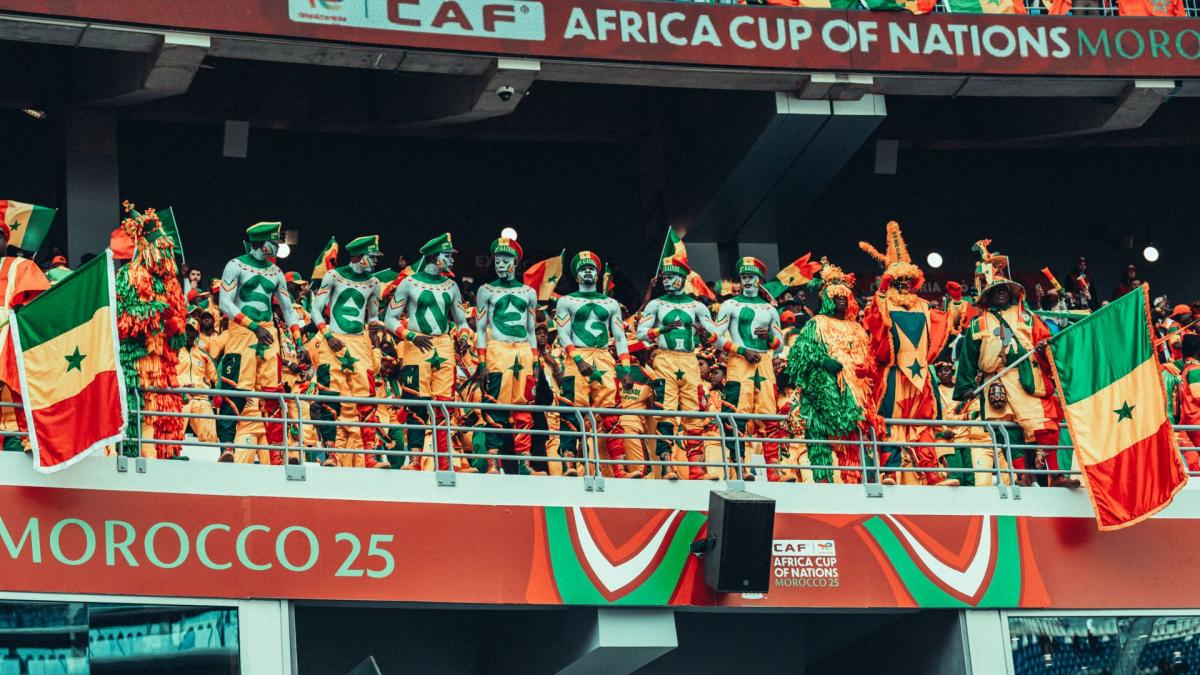
## The High Price of Passion: Visa Costs for Senegalese and Algerian Fans
The upcoming 2026 World Cup, set to be co-hosted by the United States, Canada, and Mexico, has ignited excitement among soccer fans worldwide. However, for supporters from Algeria and Senegal, the journey to the tournament could come with a staggering financial burden. This situation arises largely due to the implementation of the “Visa Bond Pilot Program,” a controversial measure from the previous U.S. administration.
### Understanding the Visa Bond Pilot Program
Under this program, nationals from about fifty countries must pay a substantial deposit—up to $15,000—to obtain a B-1/B-2 tourist or business visa for entry into the United States. This requirement significantly impacts fans from Algeria and Senegal, who are gearing up to cheer for their teams in the tournament. The high stakes of this deposit, refundable only under strict conditions, add to the already hefty financial obligations involved in attending the World Cup, which include costs for tickets, transportation, and accommodation.
### The True Costs of Attending the World Cup
For fans, the cumulative costs of attending the World Cup can be astronomical. Alongside the visa bond, they must also budget for match tickets, airfares, and lodging—expenses that can quickly multiply, especially for families. Given that each traveler must pay the visa deposit individually, a family could face the daunting prospect of needing to come up with tens of thousands of dollars before they even step foot in the United States.
### Broader Implications for African Supporters
This financial roadblock isn’t limited to Algerian and Senegalese supporters. Fans from other qualified nations such as Tunisia and Ivory Coast are also impacted by the visa bond requirement. Unfortunately, there’s little hope for relief, as FIFA is reportedly not pursuing exemptions for fans, even as they work to secure them for players and officials.
### Promises of Inclusion Versus Harsh Realities
FIFA President Gianni Infantino has billed the 2026 World Cup as “the most inclusive in history.” However, the imposition of the visa bond stands in stark contrast to this vision. Many supporters may find themselves unable to afford attendance, limiting representation from their countries. The very essence of what makes international tournaments so special—the vibrant displays of national pride and communal support—could be substantially hindered.
### Conclusion
The economic barriers imposed by the Visa Bond Pilot Program raise significant questions about accessibility at major international events. As fans from Algeria, Senegal, and other African nations grapple with these exorbitant costs, it becomes increasingly evident that passion for the game is not enough; financial means have become an unavoidable factor in the ability to participate in this global celebration. The hope remains that as the tournament approaches, solutions will be found to ensure that all fans can cheer for their nations without facing financial ruin.