
The EU’s Gas Independence: A Fragile Victory
In December 2025, the European Union cheerfully announced its commitment to end imports of Russian gas by 2027, marking a monumental shift in its energy policy. Ursula von der Leyen, the President of the European Commission, and Energy Commissioner Dan Jørgensen made it clear that Europe was eager to break free from its energy dependency on Moscow. The symbolic gesture aimed to eradicate the blackmail that had long plagued EU-Russian relations.
The Oil Paradox
Despite the enthusiasm surrounding the ban on Russian gas, a significant oversight loomed large: Eastern Europe’s reliance on Russian oil, particularly via the Druzhba pipeline. Just three months post-announcement, it became evident that geopolitical intentions were swiftly overridden by economic realities.
The EU now faces an excruciating paradox: it’s pressuring Ukraine to reopen the flow of Russian oil even as it simultaneously engages in an economic war against Moscow. As the Kremlin watches closely, the ingrained nature of energy infrastructure becomes apparent—political intentions often yield to economic necessities.
The Druzhba Pipeline Crisis
The root of the crisis can be traced back to a January 27 attack that severely damaged the Druzhba pipeline. Reports indicate that Russian strikes inflicted significant harm, with Ukrainian Minister Denys Shmyhal confirming that key sensors and internal components were compromised. An ensuing fire devastated a storage tank, creating massive logistical challenges for repair amid ongoing conflict.
However, Hungary and Slovakia are not taking Kyiv’s claims at face value. Both Prime Ministers, Viktor Orbán and Robert Fico, have established a task force to investigate the pipeline damage, with Orbán raising accusations against Ukrainian leadership. This entanglement not only complicates repairs but adds a layer of distrust between regional partners.
The Middle East Factor
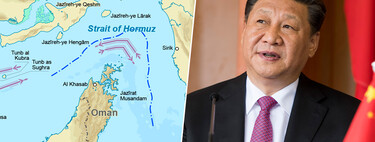
The EU’s urgent requests to Ukraine for repairs stem less from camaraderie and more from survival instincts. Current turmoil in the Middle East, especially following the assassination of Iranian Supreme Leader Ali Khamenei, has led to a blockade of the Strait of Hormuz, disrupting 20% of global oil supplies. The fallout from this incident has drastically affected shipping costs and availability, forcing Europe to reconsider its options.
Analyst Shanaka Perera emphasizes that the EU’s renewed reliance on Russian oil isn’t a strategic choice but a stark necessity resulting from its dwindling alternative supplies. With gas reserves alarmingly low, Europe finds itself cornered without a viable Plan B.
Dependence on Russian Oil Endures
While the EU attempts to pivot away from Russian energy, certain member states, notably Hungary and Slovakia, have remained steadfastly reliant on Russian oil. These countries benefitted from exemptions in European sanctions, allowing them to import almost entirely from the Druzhba pipeline, where Russian oil remains significantly cheaper than alternatives.
Meanwhile, Croatia has made overtures to help transport non-Russian oil, but Hungary’s resistance indicates a deeper dilemma: energy security is now conflated with economic viability, leaving ideological pursuits in the possible dust.
The Great Stall and Global Power Shifts
While Europe grapples with its energy woes and dependencies, Asia, particularly China, appears to have positioned itself advantageously. China has stockpiled vast reserves of oil ahead of anticipated shortages and has diversified its energy supply to mitigate the impacts of geopolitical unrest.
As Europe’s aspirations for energy independence faltered, its weaknesses were starkly outlined: a growing dependency on a system of pipelines and infrastructures that it cannot easily replace or dismantle in times of crisis.
The Illusion of the Oil Blackout
In conclusion, Europe’s perceived triumph over Russian energy dependency has unraveled under pressure from both its partners and the geopolitical landscape. As the war in the Middle East escalates and economic concerns loom larger, Brussels finds itself in an uncomfortable position—attempting to persuade a beleaguered Ukraine to facilitate access to the very oil that aids its adversary. The blackout of Russian oil remains a paper illusion amidst the unforgiving realities of market dynamics and thermodynamics.