
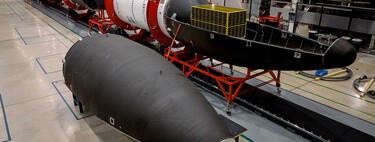
Changing Tides: ESA’s Shift from South America to the Arctic
The Arctic, once perceived as a remote ice desert, is rapidly becoming a focal point for global strategic interests. With countries around the world recognizing its potential, the European Space Agency (ESA) is now planning to migrate some of its rocket launches from South America to the Arctic, specifically Tromsø, Norway. This shift is not just logistical; it carries significant geopolitical implications.
An Agreement at the Forefront
In a landmark move, ESA and Norway recently signed an agreement to establish the ESA Arctic Space Center in Tromsø. This facility is designed to bolster Europe’s autonomy in monitoring, navigation, and communication in a region where Russia and China have been increasingly investing in their own infrastructures. The need to assert Europe’s presence in Arctic space operations is clear, especially against the backdrop of rival nations.
Why Tromsø?
Choosing Tromsø for this new launch site is strategic. Situated above the Arctic Circle, Tromsø has evolved into a hub for satellite data and operations. The city already hosts the mission control for the Arctic Weather Satellite, which was launched in 2024 to improve weather forecasting through a polar constellation. Additionally, it is home to vital institutions, including the Norwegian Polar Institute, making it a “Silicon Valley” of polar research.
Enhanced Data Collection
The ESA and Norwegian Space Agency (NOSA) agreement envisages the creation of a working group that will solidify operational details by the end of 2026. This center aims to monitor the rapid melting of Arctic ice, which is occurring four times faster than the global average. The data collected here will be crucial not only for understanding climatic changes but also for enhancing national security, particularly as maritime traffic in the Northeast Passage continues to grow.
The Shift in Launch Locations
Historically, French Guiana served as Europe’s primary space launch site due to its proximity to the equator, which allowed for efficient satellite placement into geostationary orbits. However, the Tromsø center will focus on polar orbits, essential for satellites monitoring environmental changes and geopolitical boundaries. Launching from the Arctic provides a direct North-South trajectory, allowing for extensive Earth coverage as the planet rotates beneath.
Geopolitical Implications
The significance of this shift extends beyond scientific exploration. Europe’s move to establish a foothold in the Arctic is a crucial response to the investments made by Russia in Siberia and China’s initiatives like the Polar Silk Road. Establishing launch operations in Tromsø helps ensure that European assets and data are safeguarded, thus reducing reliance on external infrastructure.
Future Outlook
Norway, a member of ESA since 1987, brings invaluable expertise in polar operations, vital for achieving the goals set forth in this new agreement. With two years ahead for the governance and operational calendar to be designed, the Tromsø center is poised to become the central hub for Europe’s Arctic ambitions.
In summary, the European Space Agency’s decision to launch from Tromsø reflects a significant geopolitical strategy. It not only enhances scientific capabilities in the Arctic but also solidifies Europe’s position amidst growing global competition.