
El fin del amor según Paco Roca: Un Viaje de Autodescubrimiento
Exploring New Realities
Paco Roca, the celebrated Spanish comic artist, embarks on a poignant journey in his latest graphic novel, El viaje. After delving into various themes in previous works — from the depths of the ocean in El tesoro del cisne negro to the emotional landscapes of memory in Arrugas — Roca now confronts the complex aftermath of love’s end. This time, the narrative is not solely built upon external adventures but pivots inward to tackle personal heartbreak.
A Reflection on Personal Experience
Roca’s work serves as both an autobiography and a fiction, diving into the real-life situation of a relationship’s dissolution. “The starting point is a real situation: the end of a relationship I had years ago,” he explains. This deeply personal conflict allows readers to reflect on their relationships, making their experiences feel both intimate and universal.
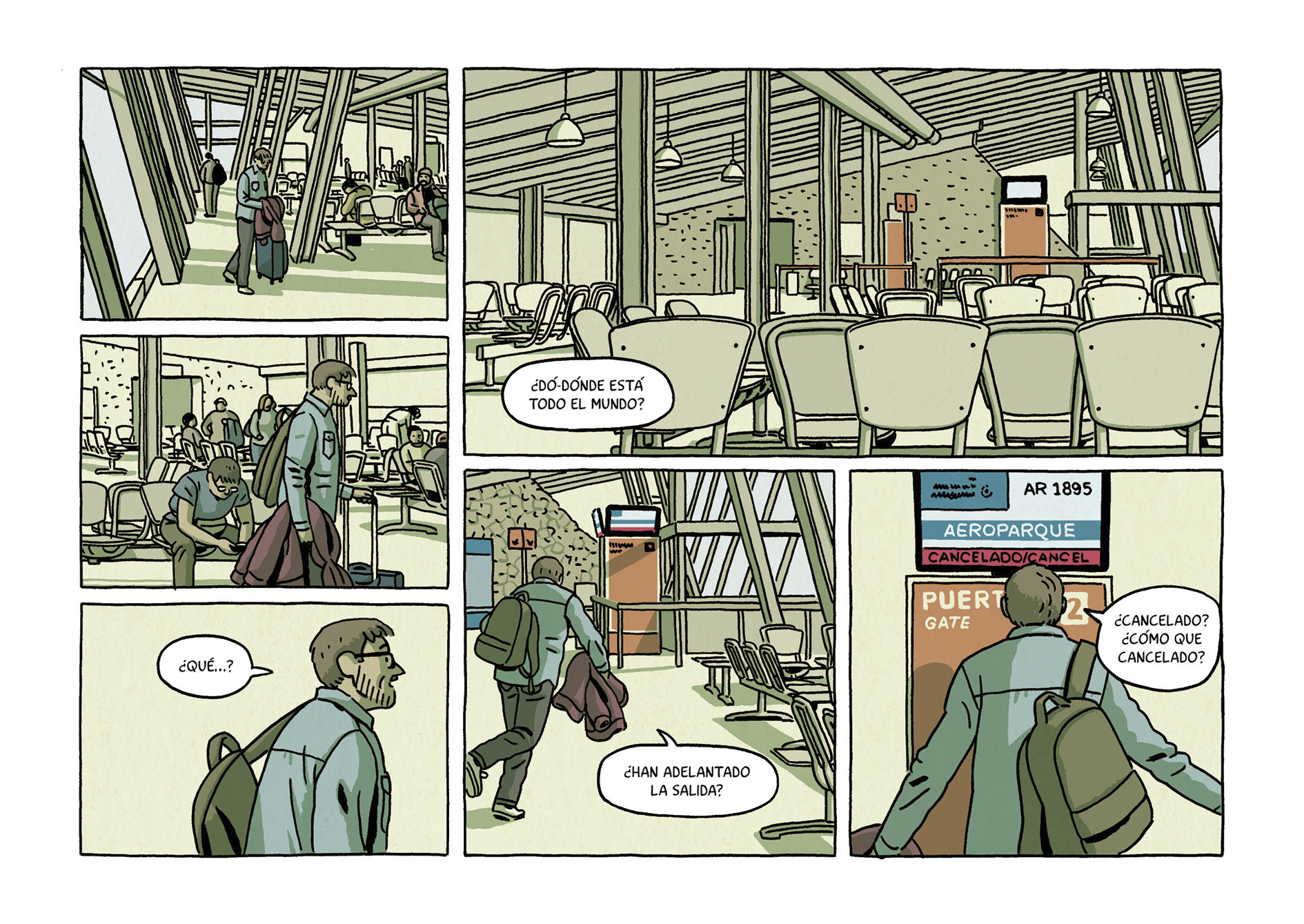
The protagonist, Fran, mirrors Roca himself, navigating the chaotic landscape of post-divorce life while grappling with the distance from his children. Through Fran’s eyes, Roca captures the disorientation often felt during such turbulent times, portraying a world where love seems elusive.
The Weight of Memories
El viaje explores the nuances of memory, stemming from painful experiences that shape us. Roca openly admits that reflecting on his past was challenging, especially the heartbreaking moment of informing his daughters about the breakup. This raw honesty resonates; it emphasizes the collateral damage of separations, particularly on children who are often left in emotional turmoil.
The Quest for Connection
Through Fran’s journey, Roca addresses the universal fear surrounding the sustainability of relationships in today’s individualistic society. As Fran observes couples around him, he becomes a curious spectator, echoing Roca’s own contemplations about love and companionship. “The reality is that we often prioritize personal comfort over nurturing relationships,” Roca notes, prompting readers to ask tough questions about modern love.
Artistic Choices That Speak Volumes
The graphical style of El viaje, which features contrasting colors to differentiate the past from the present, adds an expressive layer to the narrative. Roca utilizes powerful visual metaphors that deepen readers’ understanding of Fran’s emotional strife—such as the solitary figure of Fran paired with three dogs against an expansive void, symbolizing both companionship and desolation.
Leaving Questions Unanswered
In his reflections, Roca acknowledges a significant departure from his earlier works: the lack of definitive conclusions. “I believe this is the comic that leaves the most questions unanswered,” he reveals. Unlike previous projects, which sought concrete answers or resolutions, El viaje navigates the complexities of emotion without providing neat solutions, mirroring life’s often messy realities.
A Balance of Optimism and Realism
Roca describes El viaje as a “story of crying, pure and simple.” It’s not framed as a self-help guide, nor does it preach optimism, but rather paints a realistic portrayal of human experience. The sheer acknowledgment that many face similar suffering in the wake of heartbreak gives readers a comforting sense of connection amidst loneliness. Roca also expresses a hope that his daughters will understand the weight of his decisions, reinforcing the idea that love’s ending isn’t taken lightly.
Conclusion: The Continuing Journey
With El viaje, Paco Roca not only ventures into the intricacies of personal memories and emotional upheaval but also opens a dialogue about the evolving nature of love in modern society. As he prepares for adaptations of his work and new graphic novels, Roca continues to illustrate the profound impact of human relationships, leaving readers to ponder their own experiences long after the last page is turned.
In a world where questions about love and connection often remain unanswered, El viaje stands as a testament to the necessity of confronting our emotional truths—a journey, after all, that is wholly human.