
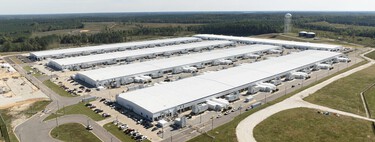
The Shift in Energy Demand for AI
The race for artificial intelligence (AI) has shifted focus from mere technological advancements to a more foundational element: electricity. As data centers ramp up energy consumption and the electrical grid strains under increased demand, companies like Fervo Energy are stepping up. This American geothermal startup has recently secured $462 million in funding, with tech giant Google among its key investors.
Strategic Investment: Google’s Involvement
This funding round, labeled Series E, signifies a pivotal move toward large-scale energy infrastructure rather than just research initiatives. The capital raised will accelerate the construction of Cape Station, a geothermal plant based in Utah, thereby transitioning Fervo from technology demonstration to commercial electricity production.
The investor list is impressive, featuring names such as AllianceBernstein and Mitsubishi Heavy Industries. Fervo’s significant funding, nearly $500 million within the last year, highlights a renewed interest in geothermal technology, often viewed as marginal in previous decades.
Geothermal Energy: A Sustainable Solution
Fervo is not merely a sustainability bet; it is a key energy provider for data centers—an area where Google is a client as well as an investor. This dual role illustrates a broader trend among leading tech firms. Instead of relying solely on conventional electricity markets, companies are diversifying their energy strategies to ensure a steady, emission-free power supply for AI, which is particularly demanding in nature.
Enhanced Geothermal Systems (EGS)
Fervo’s innovative approach lies in its Enhanced Geothermal Systems (EGS) technology. Unlike conventional geothermal methods that depend on natural hot aquifers, Fervo taps into hot rock by drilling deep, injecting water, and creating artificial reservoirs to generate steam in a controlled fashion. This technique, inspired by fracturing and drilling methods utilized in the oil and gas industry, positions Fervo as a leader in a rejuvenating geothermal sector.
Projected Growth and Efficiency
Fervo’s flagship project, Cape Station, is projected to generate 100 megawatts of electricity by 2026, ramping up to 500 megawatts by 2028. A significant focus for Fervo has been reducing drilling times—cutting them from approximately a month to about 15 days. This efficiency plays a critical role in controlling costs and enhancing economic viability.
The Role of AI in Energy Supply
The demand for energy is expected to double in data centers by 2030, influenced largely by generative AI. According to the International Energy Agency, advanced geothermal systems could meet two-thirds of this new energy demand in the U.S. Additionally, Google is also exploring alternatives like nuclear power and modular reactors to secure sustainable long-term energy.
A Renaissance in Geothermal Energy
After years of being overshadowed by wind and solar energy, geothermal power is experiencing a renaissance fueled by technological advancements and the increasing demand for reliable energy from major tech companies. As Fervo seeks to optimize its technology, expansion beyond the western U.S. is a possibility.
Conclusion: The Heat Beneath Our Feet
The expansion of AI relies on a physical and stable energy supply, and Fervo represents a crucial element in the modern energy landscape. Google’s strategic investment in geothermal energy underscores its commitment to satisfying the demanding energy woes of the AI revolution. While some view the sky for solutions, Fervo is looking deeper into the Earth, harnessing its heat as a robust answer to contemporary energy needs.
Image | Fervo Energy and Freepik