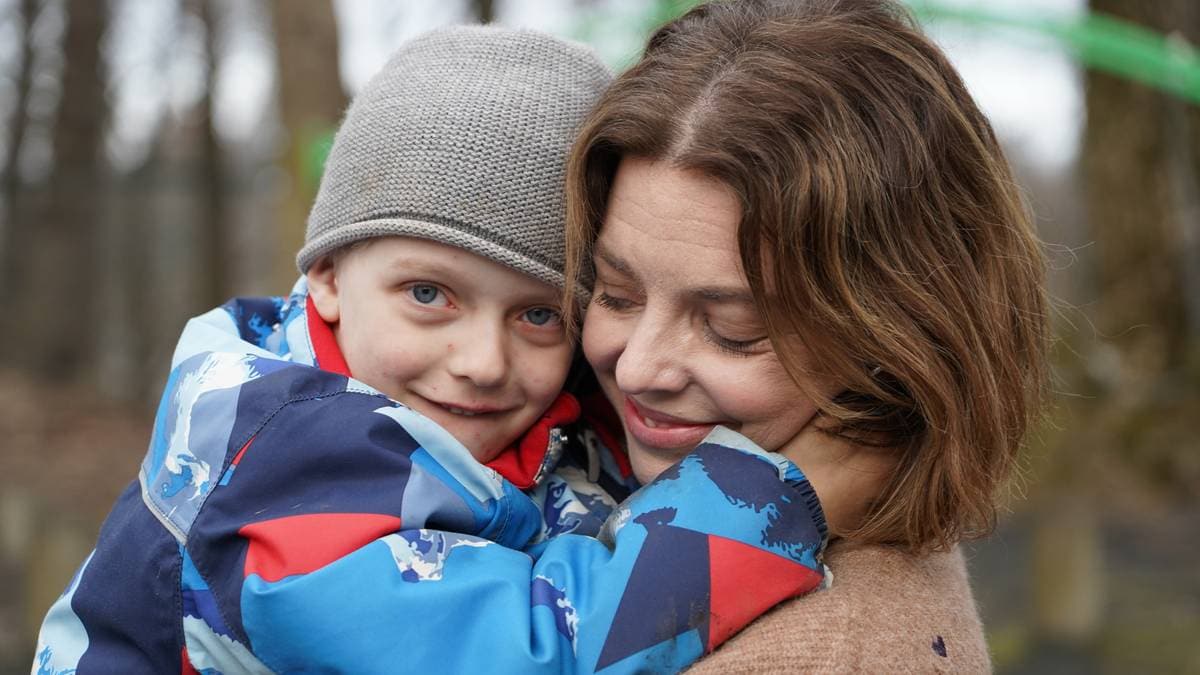
Recently, news said that antibiotic use in Norway has increased by 19 per cent since 2021, despite the health authorities’ recommendations. The Directorate of Health is now announcing new advice to the country’s doctors. The Directorate of Health changes the guidelines to ensure proper antibiotic use in Norway and thus prevent bacteria from becoming resistant and resistant. Doctors will now print smaller doses of antibiotics for the greatest infectious diseases such as pneumonia, carbon deterioration and urinary tract infection in pregnant women. In addition, the GPs should wait longer than today before they turn to antibiotics. Today, the cure for pneumonia is seven days, but the authorities now recommend five days. Less antibiotics should be provided than before at the pharmacies. Photo: Marianne Ytre-Eide / news Antibiotic courses in recent years have become shorter for a number of infectious diseases. Sigurd Høye, who is the general practitioner and head of the Antibiotic Center for Primary Medicine at the University of Oslo, works with the Directorate of Health to reduce antibiotic use outside the hospitals. – You should get the treatment that we know works, but it is probably still such that many get antibiotics when it is not necessary, and we must avoid that. Hanna Hagenes is her mother until August (5) and even just finished an antibiotic course. Hanna Hagenes says she trusts the GP when she gets antibiotics. Photo: Marianne Ytre-Eide-it’s nice that you can use the least possible antibiotics and still get healthy, because it can be dangerous not to use it too. Dads Kjartan Haugen and Knut Pelerud have a different relationship with the use of antibiotics and drugs. Pelerud has studied homeopathy and has faith in alternative medicine, while Haugen is concerned with more traditional drug use. But their daughter in five years has not yet used antibiotics. Dads Kjartan Haugen and Knut Pelerud have a different relationship with the use of antibiotics and drugs. Photo: Marianne Ytre-Eide / news Haugen says he thinks more about the consequences now than before-I will die once. Not in the near future, but at least closer to my daughter. So how will it be in 2050 or 2060, when she grows up? It is a scenario that you think about more about, then. Dads Kjartan Haugen and Knut Pelerud have not had to give antibiotics to their daughter yet. Photo: Marianne Ytre-Eide / news Pelerud believes parents easily turn to antibiotics. – There are many parents who turn to antibiotics all the time. If the child gets a fever, a little cold or a bladder catarrh, then antibiotics are in the process of antibiotics. After all, these situations go away by themselves. Both believe that in cases of severe infection, antibiotics must be used. Several countries have also changed the guidelines in Sweden and Denmark it is recommended to provide shorter antibiotic courses in the same diseases as in Norway, says Høye. The reason is that new knowledge indicates that the cures can be shortened, and it is important to reduce unnecessary antibiotic use to slow down resistance. This is stated by Division Director of the Directorate of Health, Helen Brandstorp. Division Director of the Directorate of Health Helen Brandstorp says they hope this measure reduces the resistance in society. Photo: Directorate of Health / Directorate of Health – the more antibiotics we use, the more resistant or resistant the bacteria are. And we want the courses to work. We do not want resistant bacteria. – We have heard that if you do not go out your antibiotic course, it can be dangerous, and then the bacteria can begin and bloom again. How can I know that what you propose now is safe? – That’s because it’s research -based. So it’s an old story that we have all grown up with, but research shows that we can shorten. – What do you hope now will be the consequence of this? – We hope that we get less antibiotic resistance, ie antibiotics work when we first use it. Dag Berild is a professor, retired physician and has been researching antibiotic use for over 30 years. He says a big misconception is that long -term antibiotic courses are best. Dag Berild has been researching antibiotic use for over 30 years, and says a major misconception is that long -term antibiotic courses are best. Photo: Marianne Ytre-Eide / news-There have been several studies lately that have taken holes in the dogma that you should absolutely complete an antibiotic course, otherwise the bacteria will be resistant. He says the research shows that one manages with shorter cures for pneumonia, streptococci, throat inflammation and renal pelvic inflammation, – then we can probably also reduce resistance. The longer you treat, the more resistant the bacteria are. The Directorate of Health wants doctors to follow the guideline and decide whether the patient really needs antibiotics. Høye, who has been making the guidelines, does not think this will be a problem. Photo: Truls Alnes Antonsen / news – Previously, it was often the case that patients would like to have antibiotics, perhaps for all sorts of ailments. Now we hear from the GPs that more and more patients and parents are being satisfied if they do not have to take antibiotics. It is a very nice situation. Berild, who has been working with antibiotic resistance for over 30 years, still thinks someone has a little to go on. – We have many doctors who follow our national guidelines, but then there are also some who obviously do not realize that we have guidelines, and certainly do not follow them, and it is very broken, I think. Because the guidelines are based on the resistance profile we have in Norway and should certainly be used. The leader of the General Martial Association Marte Kvittum Tangen has also previously told news that they want more training of the doctors. Published 10.03.2025, at. 08.49
ttn-69