

The National Tax and Customs Directorate (DIAN) of Colombia has unveiled the final text of a legislative project aimed at reforming the sanction and confiscation regime in customs matters. This proposal, which is expected to transform how customs regulations are enforced, is poised to significantly impact both local and international trade in the country.
The primary goal of this initiative is to ensure greater legal certainty, modernize control and sanction mechanisms, and eliminate unnecessary grounds for confiscation of goods, according to the agency. This calls for a comprehensive overhaul of outdated customs laws, which many critics have deemed excessively rigid and lacking proportionality.
Now you can follow us on Facebook and on our WhatsApp
The document, which is open for comments until June 22, represents an effort to update a system that has faced criticism for its inflexibility and lack of proportional responses. According to DIAN, the legislative proposal, officially titled Through which the new Sanctionary and Confiscation Regime of Goods in Customs Matters is adopted, as well as the applicable procedure, was drafted with input from business groups, logistics operators, customs users, academic representatives, and other specialized entities involved in foreign trade.
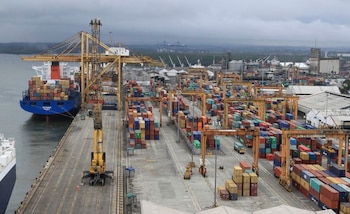
This participative process has allowed for the consolidation of a text that aims to balance the punitive power of the state with the fundamental rights of trade operators. Among the most notable changes is the incorporation of guaranteeing principles such as proportionality, maximum diligence, and justice, which will serve as a guide for interpreting and applying sanctions in the customs framework.
Additionally, the proposal includes a redefinition of infractions and sanctions, reorganizing them into clearer categories to facilitate understanding and application. According to DIAN, this measure aims to eliminate redundancies, legal gaps, and regulatory ambiguities that currently hinder compliance and enforcement.
Another key aspect of the reform is the elimination of various grounds for the automatic seizure of goods. Instead of immediate confiscations, proportional sanctions will be prioritized, allowing users to retain their cargo in cases of non-fraudulent or formal errors.
The proposal also introduces benefits such as reduced sanctions for those who correct errors early or voluntarily comply with the procedure. Furthermore, it expands the grounds for exonerating sanctions and strengthens the evidentiary value of documents presented by users.

DIAN emphasized that this reform is part of its strategy for institutional modernization, aligning with the national government’s commitments to strengthen legality, facilitate trade, and combat customs evasion. The current regime has faced criticism for its excessive rigidity , leading to legal uncertainty, administrative congestion, and disincentives for compliance in foreign trade.
Interested parties can send their observations to the email address [email protected]. Once the comment period ends, DIAN will incorporate relevant adjustments and submit the project to the ministries of Finance and Commerce, Industry, and Tourism for review. Following this, it is expected to be formally presented to Congress for legislative discussion.
In terms of impact, DIAN highlighted that this reform aims to correct deficiencies within the current regime, which allows for automatic confiscations due to administrative or documentary failures, imposing disproportionate costs on formal operators and allowing room for discretion. The new proposal emphasizes a corrective rather than punitive approach, introducing principles like proportionality and justice to prevent administrative abuse.
The foreign trade sector, which has gained prominence in the country’s tax collection, could also benefit from this reform. Recent data indicates that revenues from customs increased, accounting for 16.65% of total collections as of April, compared to 13.9% during the same period last year. This growth reflects heightened activity in foreign trade, likely to be further stimulated by a clearer and fairer regulatory framework.

The DIAN proposal not only endeavors to modernize the sanctionary system but also to encourage voluntary compliance with customs obligations and reduce administrative congestion. By eliminating unnecessary reasons for confiscation and promoting proportional sanctions, it aims to foster formality and strengthen operators’ confidence in the system. This legislative initiative marks a significant step toward the modernization of the customs regime in Colombia, aiming to balance the needs for state control with the rights of international trade operators.
DIAN reiterates its commitment to working collaboratively with various sector stakeholders to ensure that this reform is both technically sound and effective in its implementation.