
## Major Changes Ahead: The V-16 Beacon Implementation
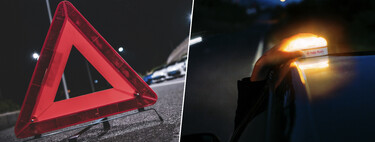
On January 1, 2026, significant alterations to traffic regulations will unfold in Spain, focusing on the way breakdowns and accidents are signaled. The V-16 beacons will become the standard, effectively replacing traditional warning triangles. This change has sparked some controversy; however, the Directorate-General for Traffic (DGT) has emphasized that there will be no going back.
### No Room for Excuses
Pere Navarro, the DGT director, made it clear during the presentation of the Dekra 2025 Road Safety Report that the implementation of V-16 beacons is not subject to extension or delay. He stated, “There are no excuses or extensions. It is clear to everyone, right?” This shift is rooted in decisions approved since 2021, indicating that the traffic community should have been prepared for this change.
### Historical Context of the V-16 Beacon
While Navarro presents a strong stance, it’s worth noting that he may not be conveying the full picture. Claims about the beacon’s approval in 2021 overlook the complexities surrounding the technology. Prominent discussions on this were noted as early as 2020, with speculations that V-16 usage might become mandatory in 2024. Those who invested in beacons before 2023 are now finding their devices inadequate due to regulatory changes prioritizing beacons compatible with DGT 3.0.
## Why Transition to the V-16 Beacon?
### Safety Concerns
The DGT has voiced concerns over the potential dangers of using traditional triangles on roads. They argue that deploying the V-16 beacon can be far less hazardous since it allows drivers to alert others while remaining safely inside their vehicles. Fatal accident statistics reveal that, on average, 20 individuals die each year after exiting their vehicles — a troubling trend that bolsters the DGT’s push for safer signaling methods.
### Installation Requirements
As per new guidelines, drivers must install the beacon in safer locations away from active traffic. If no such space exists, passengers are required to wait inside the car with seatbelts fastened. The pre-emptive nature of the V-16 beacon aims to mitigate risks during vehicle breakdowns.
### Skepticism from Experts
Despite these advantages, not all voices in the community support this transition. Associations like the Unified Association of Civil Guards (AUGC) have highlighted risks posed by relying solely on the V-16 beacon under real-life driving conditions. Concerns include the beacon’s daytime visibility and the minimum operational duration of 30 minutes, which could leave drivers vulnerable during longer waits for emergency services.
## Legal Implications and Compliance
Failure to comply with the new regulations can result in fines. Not carrying the V-16 beacon or opting to use traditional triangles can lead to penalties of at least 80 euros, classified as a minor infraction. Experts advise keeping traditional warning triangles in vehicles as a backup, especially on secondary roads where visibility can be compromised.
### Moving Forward
The introduction of the V-16 beacon signals a new era in traffic safety measures in Spain. While the DGT is committed to enhancing road safety, concerns from experts and associations should prompt a reevaluation of the regulations. As compliance becomes mandatory, drivers must stay informed and prepared for this significant change.