

The Controversy Over the Name ‘Orlé’: A Reflection of Cultural Identity in Asturias
Orlé is a small village in the Council of Caso , nestled in the scenic Principality of Asturias , renowned for its lush landscapes and rich cultural history. However, this quaint community has recently found itself embroiled in a peculiar controversy surrounding its name. The residents are adamant in their desire to retain the name ‘Orlé,’ which has been passed down through generations, rather than adopting ‘Orllé,’ a name suggested in a decree aimed at preserving Asturian toponymy. This linguistic clash raises questions about cultural identity and representation.
The heart of the issue lies in the historical naming conventions that dictate how places are recognized and referred to. Residents argue that ‘Orlé’ represents their identity , a name that connects them to their forebearers. The decision to shift to ‘Orllé,’ implemented by the regional administration, has sparked a significant backlash. Locals view this change as not just a semantic alteration but an affront to their long-standing heritage. The ongoing debate has attracted media attention and highlighted the sentiments of residents who feel that they are losing a piece of their identity.
The controversy dates back to a decree issued in 2007 by the regional government, which outlined an official list of place names for the Caso council. This decree altered the name ‘Orlé’ to ‘Orllé,’ part of a broader movement to revitalize the Asturian language . While the intent was to preserve traditional names and promote Asturian culture, the decision was made without adequately consulting the local community. This lack of engagement has fueled resentment among the villagers.
To understand the residents’ grievances better, we can look into the timeline of events leading to this situation. In a proposal to the City Council , the Toponymy Advisory Board (JAT) made suggestions for towns within the region, championing what they deemed a more authentic representation of Asturian toponymy. However, locals argue that the name ‘Orllé’ is not only unfamiliar but also unauthentic, as it is not in common usage among residents. Ana Álvarez, a representative of the village, stated that the name change was handled poorly, noting that ‘Orllé’ was never rectified despite local pushback during the initial discussions.
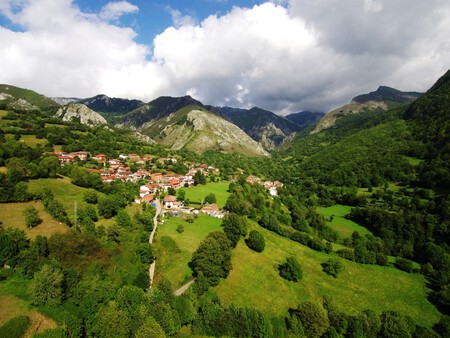
Frustrated by inaction, residents organized themselves to advocate for the preservation of their name. They have utilized social media and press coverage to voice their grievances, calling on local authorities to acknowledge their desire to return to the traditional name. In October 2022, locals expressed their dissatisfaction after nine months without a response from the authorities. Their protests culminated in a dramatic display where villagers formed the letters of ‘Orlé’ in a meadow while capturing an aerial photo, showcasing their commitment to preserving their cultural identity.
The sentiment shared among residents extends beyond mere attachment to the name. They assert that ‘Orlé’ is historically significant, dating back over eight centuries to the reign of King Alfonso IX, while they regard ‘Orllé’ as a recent contrivance. Many believe that the latter name has been adopted to appease external influences rather than reflecting the local vernacular . The community argues that they are deserving of the respect that comes with maintaining historical names.
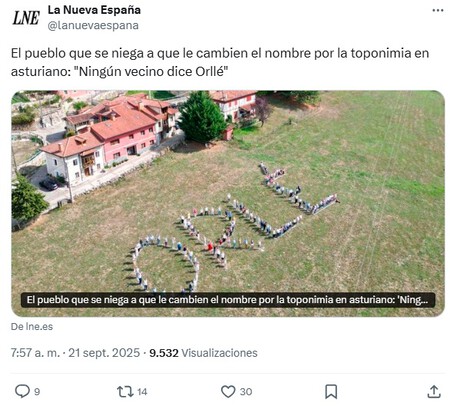
Click on the image for Tweet.
While some linguists argue that ‘Orllé’ is a legitimate part of Asturian toponymy, it remains a minority usage, raising questions about inclusivity within the language preservation movement. Ramón D’Andrés, a linguist, suggests the possibility of adopting a dual-name system: Orlé/Orllé . His suggestion highlights the need for compromise in embracing linguistic heritage while respecting local sentiment.
This situation serves as a pertinent reminder of the importance of cultural identity and the ongoing struggle to maintain it in an ever-evolving world. As the villagers continue to advocate for their name, they are not just fighting for a label but asserting their place in history and the continuation of their cultural legacy. Their efforts reflect a broader theme found across many communities around the world, where names carry the essence of identity and belonging.