
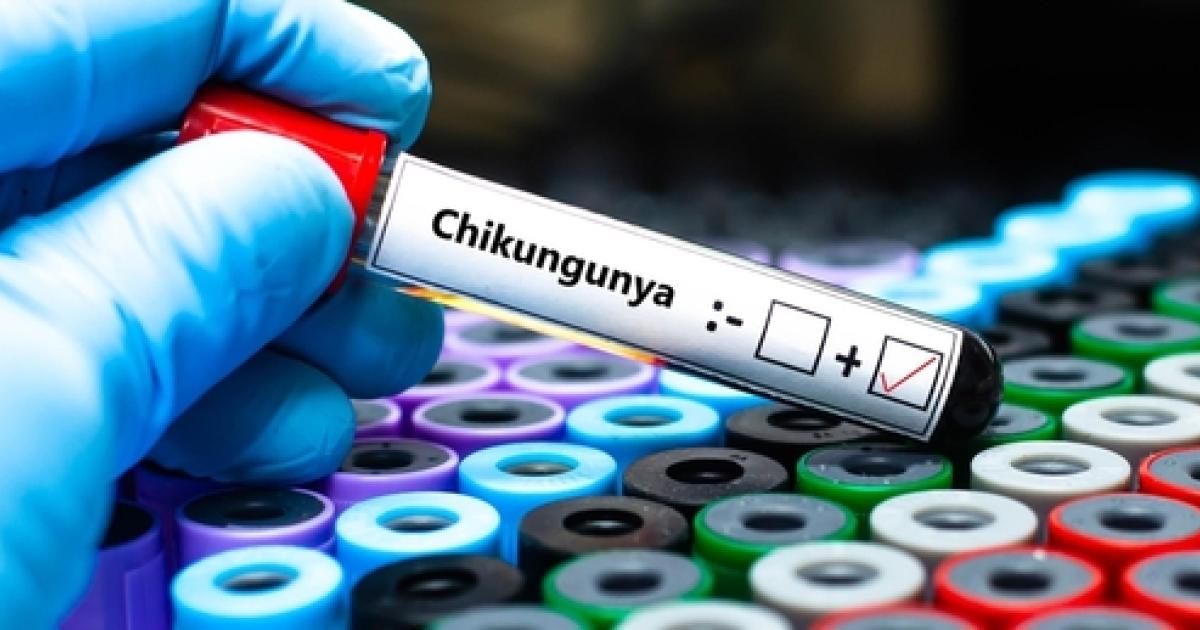
Débutée en avril pour faire face à la première grande épidémie de chikungunya en 20 ans, la campagne de vaccination à La Réunion a rapidement été freinée. En cause : des effets indésirables graves signalés chez des personnes âgées ayant reçu le vaccin Ixchiq, développé par Valneva.
“C’est vraiment un effondrement majeur“, a souligné l’infectiologue Emilie Mosnier du CHU de La Réunion lors d’une conférence de presse organisée par l’agence de recherche ANRS-Maladies infectieuses émergentes.
Un retrait de la population ciblée
Depuis fin avril, les plus de 65 ans ne sont plus éligibles à la vaccination. Or, ils représentaient la population prioritaire en raison de leur vulnérabilité aux complications du virus.
Selon les chiffres de l’infectiologue Emilie Mosnier, environ 6 000 doses ont été administrées depuis le début de la campagne: 4 500 chez les plus de 65 ans et 1 500 dans le reste de la population.
Un décès, celui d’un octogénaire atteint d’encéphalite, est probablement lié à la vaccination, d’après le bilan de surveillance communiqué mi-mai par les autorités.
La vague de chikungunya a déjà touché près de 200 000 personnes et provoqué une vingtaine de décès à La Réunion. Si la maladie semble actuellement refluer, la couverture vaccinale reste trop faible pour prévenir une nouvelle flambée.
Finalement, “peu de personnes” ont été vaccinées à la Réunion, a-t-elle conclu, ce qui risque également d’être le cas à Mayotte.
Le territoire est considéré en phase épidémique depuis fin mai, avec pour l’heure quelques centaines de cas identifiés, un niveau probablement sous-estimé.
“On a vraiment un très faible nombre de doses administrées” à Mayotte, a déclaré l’épidémiologiste Hassani Youssouf, de la cellule locale de Santé publique France, estimant que le rythme de vaccination culminait à une dizaine de doses hebdomadaires.
Understanding Chikungunya and Its Impact
Chikungunya is a viral disease transmitted through the bites of infected mosquitoes, primarily Aedes aegypti and Aedes albopictus. Symptoms typically include fever, severe joint pain, and fatigue. Although chikungunya is not usually considered life-threatening, the debilitating joint pain can last for weeks or even months, severely affecting the quality of life of those infected.
The Current Epidemic Situation
As La Réunion grapples with an unprecedented chikungunya outbreak, the significant number of cases has raised alarms among public health officials. Nearly 200,000 people have been infected, which puts a strain on the healthcare system. The authorities are trying to manage this situation, but public discontent and hesitancy regarding vaccination have complicated efforts.
Importance of Vaccination
Vaccination is a crucial measure for controlling the spread of chikungunya, especially among vulnerable populations, including the elderly. Unfortunately, the recent reports of severe adverse effects related to the Ixchiq vaccine have led to increased scrutiny. The suspension of vaccinations for those over 65 has taken a significant toll on the vaccination campaign, as this group represents the highest risk for serious complications.
Personal Accounts and Expert Opinions
Local healthcare workers have expressed their concern over the current state of public health in La Réunion. "We are witnessing an unprecedented health crisis," stated one healthcare worker, emphasizing the urgent need for a revitalized vaccination campaign.
The emerging data has inspired critics to call for an independent review of the vaccine’s safety profile. Experts argue that while the potential risks cannot be underestimated, the benefits of vaccination in controlling outbreaks should not be ignored.
Future Strategies for Vaccination
Moving forward, health authorities face a dual challenge: restoring public trust in the vaccine and ensuring that the elderly population is adequately protected. This could involve enhanced communication strategies, targeted outreach, and transparency regarding vaccine safety and efficacy.
In Mayotte, a similar pattern has emerged as the vaccination drive appears to be stalling. The current rate of vaccine administration is remarkably low, and collaboration with local healthcare leaders and community organizations is necessary to amplify vaccination efforts.
Conclusion
The alarming situation with chikungunya in La Réunion and Mayotte highlights the need for robust public health strategies, especially in the face of a potential resurgence of the virus. Only by carefully addressing the concerns surrounding vaccine safety and enhancing community engagement can the health authorities hope to improve vaccination rates and control the outbreak effectively. Consequently, the resilience of populations against such diseases will heavily rely on scientific advancements and effective communication. In this rapidly evolving situation, vigilance and adaptability will be key.