
Nexperia has transitioned from being relatively unknown to becoming a pivotal player in the escalating technological conflict between the West and China. This semiconductor company, which is substantially backed by Chinese capital but operates from the Netherlands, has come under scrutiny by the Dutch government. Authorities cite national security concerns as the primary factor, meaning the ripple effects of Nexperia’s status could soon impact critical sectors like automobiles and consumer electronics.
This situation is significant: Nexperia controls a vast network of manufacturing and assembly facilities across Germany, the United Kingdom, the Philippines, Malaysia, and China, all of which are integral to the global semiconductor supply chain. As the Netherlands recently took control of the company’s governance, a pressing question looms: to what extent does this control reach over its international operations?
Different laws, one company: Nexperia, caught between Europe and China
We can partially answer this question based on recent developments. Nexperia’s operations in China have asserted that they work “ independently ” of the Dutch headquarters. This stance not only challenges European oversight but also introduces additional complexities to an industry still reeling from the ongoing chip crisis.
A statement issued by Nexperia China on October 17 through its official WeChat channel signals a significant turn in the ongoing dispute. The document, signed by all the operational entities in China, reaffirms the company’s autonomy from its Dutch parent and emphasizes that its activities are governed solely by Chinese law. The statement clearly outlines that the legal representative in China has the exclusive right to make decisions and authorize any directives from abroad:
“Nexperia companies in China are independent companies that operate in accordance with national laws. The legal representative has exclusive authority to make decisions and approve any external instructions. No employee is obliged to follow orders coming from outside without their express consent.”
The Dutch headquarters promptly refuted this notion of “independence,” characterizing the assertions as stemming from unauthorized information and actions, further complicating the internal conflict.
Moreover, a ban on exporting products from China has raised alarms among European manufacturers, particularly in the automotive sector, which heavily relies on Nexperia chips for various electronic components. The European Automobile Manufacturers Association (ACEA) recently warned that this situation could lead to production halts if supply issues are not resolved in a timely manner. According to the ACEA, current inventory levels may only be sufficient for a few more assembly cycles, and onboarding new suppliers could take months, a timeline incompatible with current market demands.
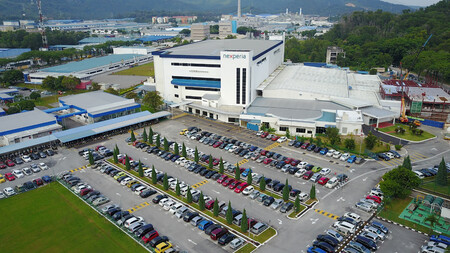
<span>One of Nexperia's facilities in Guangdong</span>Nexperia’s significance in the semiconductor landscape becomes clearer when examining its operational structure. While the core management is based in the Netherlands, a substantial portion of the company’s value addition occurs in Asia. Its assembly and testing facilities in China, the Philippines, and Malaysia handle enormous production volumes that serve both Asian and European markets.
<img alt="The US vetoed the export of EDA software to China. Now China has its own EDA software and something else: a threat" width="375" height="142" src="https://i.blogs.es/12d391/eda-1/375_142.jpeg"/>As the situation unfolds, Nexperia navigates the delicate balance between complying with both frameworks of governance. The company has confirmed it is in discussions with China’s Ministry of Commerce in an attempt to reverse the export ban, while Dutch authorities maintain control over its governance. The key question remains whether Nexperia can continue its operations without violating either set of laws . Currently, the environment remains uncertain, with production ongoing but overshadowed by a cloud of unpredictability that leaves manufacturers anxious for a swift resolution.
Images | Nexperia
In Xataka | The problem is not that Europe has “expropriated” Nexperia from a Chinese company: it is that it approved its sale just a year ago