
The Challenges Facing ArcelorMittal in France
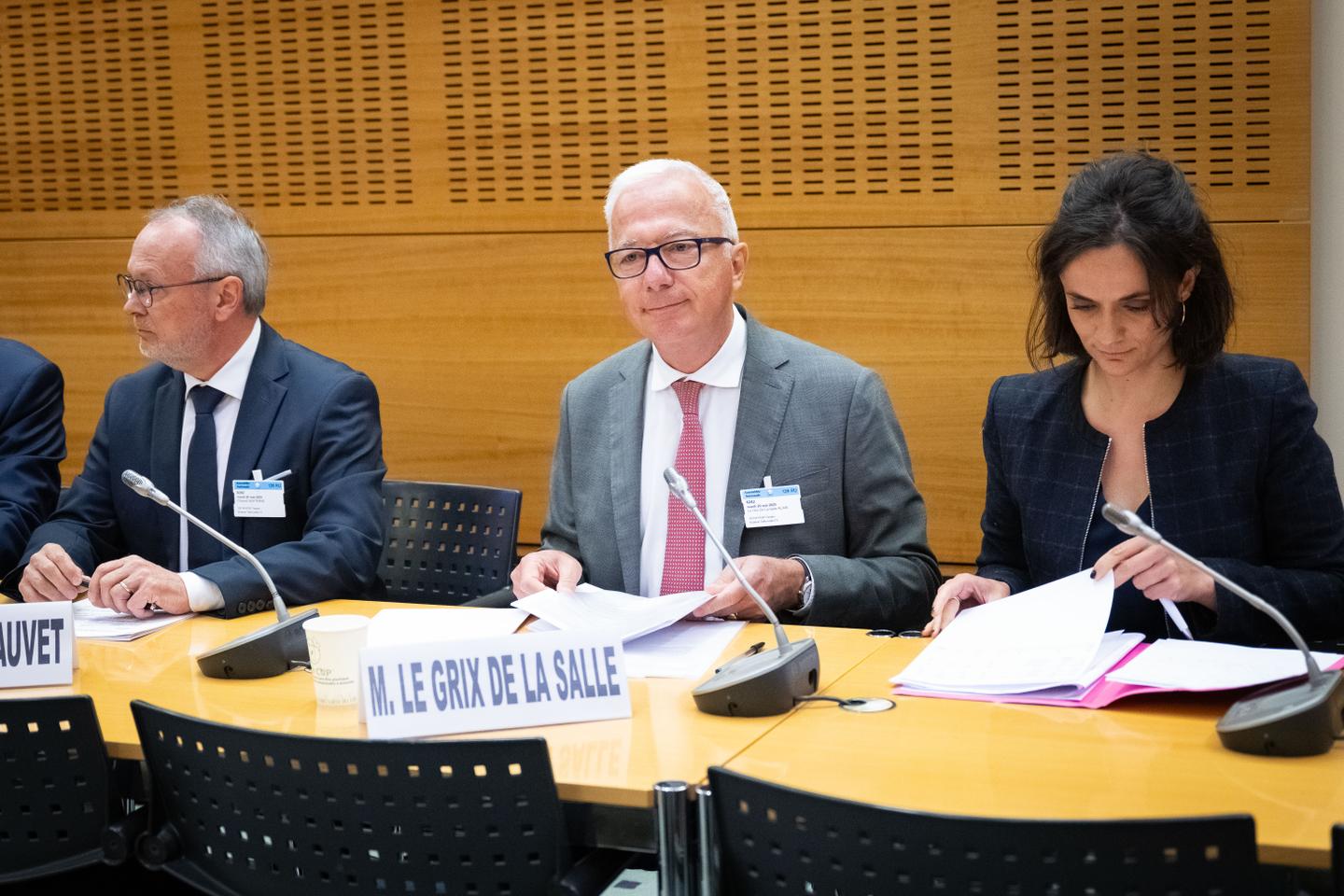
ArcelorMittal, one of the **world’s largest steel manufacturers**, continues to navigate a tumultuous landscape. On May 20, 2025, during a hearing by the National Assembly Commission of Inquiry, CEO **Alain Le Grix de la Salle** emphasized the crucial role France plays within the group. Despite this proclamation, the recent announcement of a plan to eliminate **over 600 jobs** at seven of its 40 sites highlighted a more concerning trend within the company. The Dunkerque steelworks, the **largest facility** in France, is among those affected.
Understanding the Impact on Employees
The ramifications of these job cuts are profound, particularly for the **15,000 employees** ArcelorMittal employs in France. Employee unions have voiced their concerns vigorously, advocating for nationalization of the steelworks. Their stance is that the multinational company is indulging in what they term **”silent deindustrialization.”** This phrase reflects their belief that jobs are being systematically relocated to **more profitable countries** such as the United States or India.
These allegations raise significant questions regarding corporate responsibility and ethical governance within multinational corporations. The threat of job loss looms large, engendering a deep sense of unrest among workers and their advocates.
Leadership’s Response and Accountability
During his testimony, Le Grix de la Salle acknowledged that he had not informed **French President Emmanuel Macron** about the impending job redundancies when they met in mid-March. This admission has led to criticism regarding transparency and accountability. The CEO maintained that discussions focused primarily on the **European assistance plan** for the steel industry rather than on specific job cuts. However, his failure to disclose crucial information raises significant questions about the ethics of corporate leadership during challenging times.
The timing of the announcement regarding job cuts suggests a purposeful delay in communication, which has not gone unnoticed by political leaders or the public.
Market Dynamics Influencing Corporate Decision-Making
The decision to reduce the workforce is underscored by market dynamics. The steel industry is increasingly pressured by **global competition** and pricing fluctuations. In an age where economic sustainability is paramount, companies like ArcelorMittal must make difficult decisions to ensure long-term profitability.
Investors and stakeholders are demanding efficiency while also pressuring companies to be socially responsible. Striking this balance is challenging, particularly when short-term gains may conflict with the well-being of employees. The complexities of navigating this landscape make **leadership accountability** more crucial than ever.
A Call for Greater Transparency
As the situation unfolds, calls for **greater transparency** and dialogue between multinational corporations and governments continue to mount. Stakeholders argue for policy changes that would require corporations to disclose potential job cuts and structural reorganization plans earlier in the decision-making process. If firms like ArcelorMittal are to be trusted to make ethical choices, they must foster an environment of **open communication**.
A well-informed workforce can better prepare for inevitable changes. Transparency can lead to improved employee morale and trust, thereby enhancing productivity and company loyalty.
The Future of Steel in France
The French steel industry faces significant crossroads. As ArcelorMittal navigates this contentious issue, it is essential to consider the **long-term implications** of its decisions. Economically, a shift away from France could impede the nation’s industrial capabilities.
Furthermore, sustained job loss can have exponential effects on local economies, exacerbating socioeconomic divides. **Local communities** must ponder the social implications that accompany such corporate decisions.
Is it feasible for ArcelorMittal to maintain its presence in France while ensuring **job security**? Engaging in constructive dialogue with workers, unions, and political leaders may offer pathways to a collaborative solution.
The Role of Policy in Industry Evolution
As policymakers respond to the needs of the workforce, we may also see more stringent **regulations** governing layoffs and corporate restructuring. It may become increasingly necessary for corporations to partner with the government in navigating the complexities of evolving industry landscapes.
Legislation that promotes **labor protection** could drive companies in sectors like steel to prioritize local employment needs.
Ultimately, while ArcelorMittal reiterates its commitment to France, the coming months will reveal whether its actions align with its stated intent. The steel giant must balance its **profitability goals** with its responsibility to workers and the communities it affects.
Assessing the path forward for ArcelorMittal involves measuring environmental, social, and economic outcomes in tandem.