
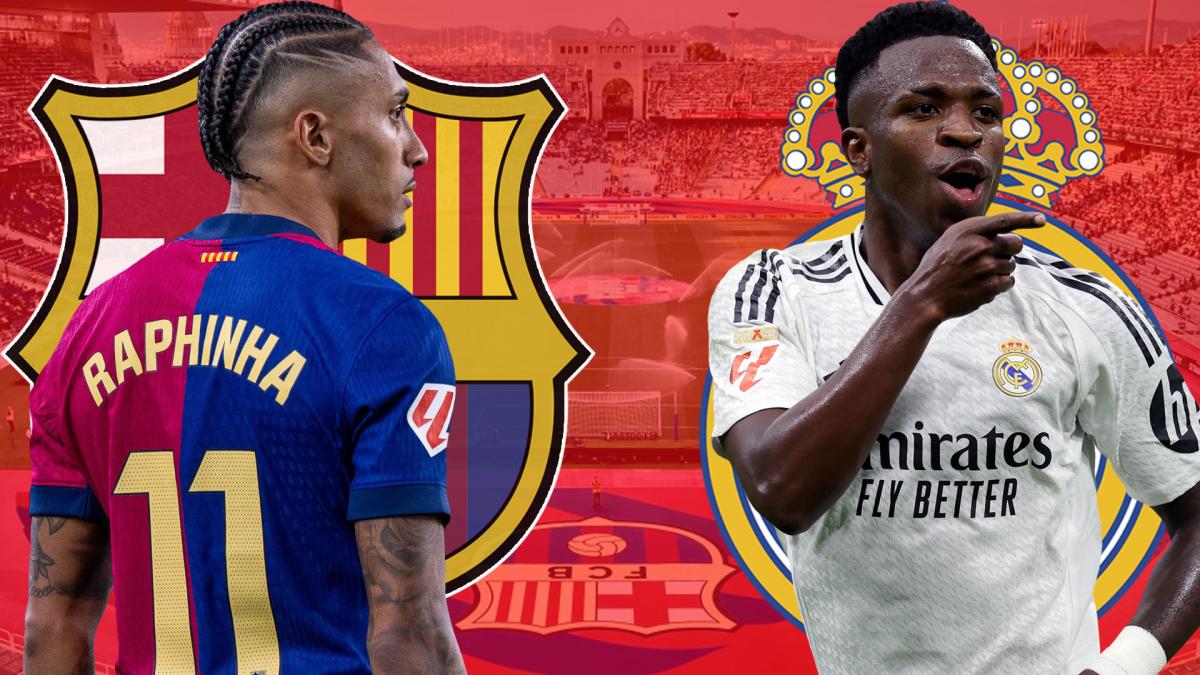
Analyzing the Rivalry: FC Barcelona vs. Real Madrid
Football fans around the world are continuously captivated by the age-old rivalry between FC Barcelona and Real Madrid. The latest insights from noted analyst Julio Maldonado, commonly known as Maldini, add another interesting layer to this ongoing duel. Speaking on Movistar+ during the presentation of the new Liga season, Maldini revealed his thoughts about the contrasting playing styles and tactical approaches of both clubs, particularly in light of recent performances.
Over the years, Barcelona has established itself as the team to beat within Spain’s elite league. Despite facing challenges, including a disappointing outing against Rayo Vallecano, Maldini maintains that Barça remains the best Spanish team. He highlighted that this status is reinforced by their impressive resilience, evidenced by players like Joan García, who played pivotal roles in ensuring Barça didn’t leave Vallecas empty-handed.
Tactical Differences: Midfield Mastery
Maldini emphasized the tactical superiority of Barcelona in the midfield area, a critical zone that often dictates the flow of the game. He contrasted their midfield dynamism with Real Madrid’s recent recruitment efforts—particularly with players like Xabi Alonso, Bellingham, and Valverde—underscoring that while Real may have injected some fresh talent, the synergy of Frenkie de Jong and Pedri grants Barcelona a decisive edge.
According to Maldini, “The combination of De Jong and Pedri gives Barça a mastery of the game that is much superior.” This collective mastery translates into more control over games, allowing Barcelona to regulate the pace and rhythm effectively.
Playmakers and Wingers: The Catalan Strategy
Maldini also pointed out the tactical nuances of the two teams, specifically regarding the wing play. Barcelona generally employs two pure wingers, Lamine Yamal and Raphinha, strategically positioned to stretch the opponent’s defense. In contrast, Real Madrid tends to play a more centralized model with players like Mastantuono.
This difference in setup offers Barcelona a unique opportunity to exploit space on the flanks, allowing them to maintain a dominant presence throughout matches. “This is the big difference: Barça will control the environment and the rhythm of the meetings,” concludes Maldini. This statement perfectly encapsulates the broader strategic divide between the two clubs.
The Impact of Tactical Approaches
Barça’s tendency to push forward and take defensive risks, as noted by Maldini, creates both opportunities and vulnerabilities. While this aggressive approach can lead to high-scoring matches, it exposes the defensive line to quick counter-attacks. The matches against Levante and Rayo Vallecano showcased this tactical dilemma, highlighting that while Barça’s style can be thrilling, it may not always yield the desired results.
On the flip side, Real Madrid’s tactical setup, combined with their counter-attacking prowess, allows them to capitalize on any defensive lapses presented by their opponents. Madrid’s emphasis on strength and unity, particularly in midfield, equips them to absorb pressure and hit back swiftly when necessary.
Cultural and Emotional Significance
The narrative surrounding Barça and Real Madrid extends far beyond tactical analysis. These clubs embody a unique cultural identity and historical significance, representing regional pride and historical rivalries within Spain. The El Clásico encounters are not merely football matches; they serve as catalysts for passion, pride, and sometimes even controversy among fans.
The emotional weight of these matches is palpable, with each encounter resounding not just across Spain, but around the globe. Initiatives like Maldini’s analysis provide valuable insights into the differences that make each match special, offering fans a deeper understanding of what takes place on the pitch every time these two giants clash.
Looking Ahead: The Future of La Liga
As the new Liga season unfolds, eyes will be firmly fixed on how FC Barcelona and Real Madrid adapt their strategies in response to each other’s tactical shifts. The competition is not merely about the tactical prowess displayed but also about the spirit and the context that each team brings to the field.
With Barcelona’s undeniable strength in midfield and their ability to dictate play, coupled with Real Madrid’s strategic counter-attacks and robust squad depth, the coming months promise to be exciting for football aficionados. As both teams vie for supremacy in La Liga, the rivalry will continue to evolve, offering thrilling drama, breathtaking moments, and, most importantly, a showcase of elite football at its finest.
The insights shared by Maldini serve as a timely reminder that every season brings new challenges, fresh narratives, and a redefined rivalry that is the heart of Spanish football. In a game filled with uncertainty, one thing remains clear: the clash of these titans will always attract attention and ignite passion amongst fans, ensuring that the rivalry continues to thrive for generations to come.