
The Brand War in World Cups: From the Cain-like Rivalry Between Adidas and Puma to the Global Conflict with Nike
The Rise of Adidas and Puma
The ongoing competition between Adidas and Puma is not merely a corporate rivalry; it is a story steeped in family history and intense sibling rivalry. Founded by the Dassler brothers, Rudolf and Adolf, in Herzogenaurach, Bavaria, both companies emerged from the ashes of World War I. The brothers initially collaborated on a shoe business but parted ways due to mounting tensions. Their competitive spirits were fueled further when both aligned with the Nazi regime, which temporarily boosted their business.
In 1936, during the Berlin Olympics, Jesse Owens—donning Adidas shoes—achieved what would become a historical athletic feat, solidifying the brand’s presence. The evolution of shoe technology, like the introduction of replaceable studs by Adidas in the 1954 World Cup, became a game-changer, helping Germany defeat Hungary and leading to the match being termed “The Miracle of Bern.”
The Impact of World Cups on Brand Rivalries
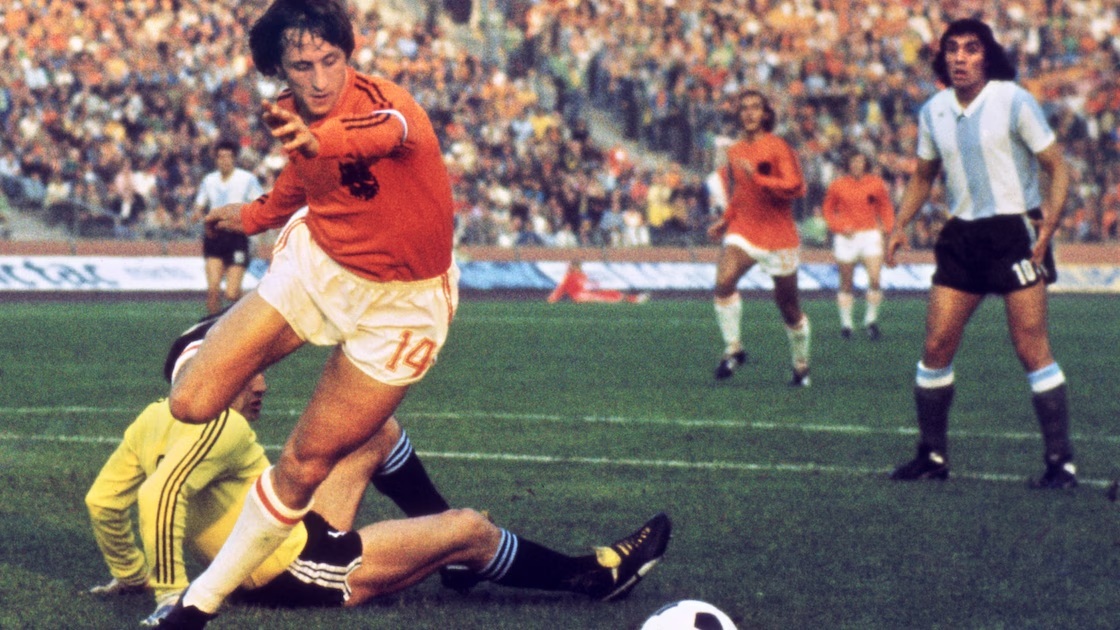
As both brands evolved, the battle for market supremacy heated up, especially during World Cup events. The 1974 World Cup spotlighted the difficulties Johan Cruyff faced due to conflicting sponsorship deals, leading to a clash between personal branding and corporate contracts. This period marked an expansion of brand visibility, with Adidas securing exclusive rights to produce the tournament ball.
Nike Enters the Arena
The dynamics shifted dramatically in the 1980s when Nike entered the football market. Initially focused on running, Nike gained momentum through clever marketing tactics, such as associating with emerging soccer stars like Ian Rush. By the 1996 Atlanta Olympics, Nike showcased its strategies in ambush marketing, overshadowing its corporate rivals like Reebok.
In 1994, Nike dressed the Brazilian national team, utilizing Brazil’s football legacy to dominate. This association, reinforced by culturally resonant advertisements featuring Brazilian players, cemented Nike’s place in the global soccer landscape and shifted public perception.
The Modern-day Battle
Fast forward to recent years, and the rivalry has escalated to a global scale, complicating the landscape with the introduction of Puma as a significant third player. Brands are now engaging with a plethora of athletes, from Erling Haaland to Kylian Mbappé, employing diverse advertising strategies. The 2022 Qatar World Cup marked a pivotal moment, with Nike outnumbering Adidas in terms of teams sponsored (13 vs. 7).
Future Implications
The stakes continue to rise, with Adidas recently losing longstanding partnerships, like their contract with the German national team. The evolving landscape of sponsorship is causing brands to reevaluate their approaches. Each World Cup not only affects player visibility but also directly impacts stock prices, with results altering perceptions of brand viability.
In conclusion, the escalation from a family feud to a full-blown global competition underscores how deeply intertwined sports and marketing have become. The traditional Adidas vs. Puma narrative has made room for Nike’s disruptive strategies, reshaping how brands vie for dominance in an ever-evolving marketplace. With the history of individual performance and corporate strategies colliding, the brand war continues, promising new chapters for the future of sports merchandising.