
The Number One Enemy of the Spanish Mountain: Climate Change
Rising Threat of Wildfires
In recent years, the alarming increase in wildfire incidents in Spain has highlighted the critical role of climate change. In 2024, a staggering 47,700 hectares were consumed by fires, and this number surged dramatically in 2025 to exceed 340,000 hectares. According to research led by Marco Turco at the University of Murcia, the global days of extreme fire risk have risen by 65% since 1980, equating to an additional 12 days per year of heightened fire danger.
The Mediterranean Region: A Case Study
The Mediterranean region, in particular, showcases the most visible effects of climate change on wildfire prevalence. While approximately 80–95% of fires in Spain are attributed to human activity, the increased spread and intensity of these fires can largely be linked to climatic shifts. This suggests that, while human actions often ignite these fires, climate change is the underlying force that amplifies their impact.
The Study That Changes Everything
The significance of Marco Turco’s findings lies in the application of formal climate fingerprinting techniques on a global scale to analyze fire risk. This pioneering study shows that the frequency of extreme fire risk days has increased significantly, revealing the urgent need for proactive measures.
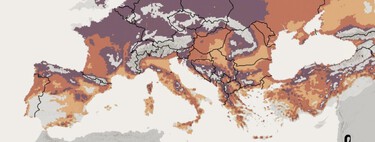
In the Mediterranean, the data is even more alarming; the days of extreme fire risk have effectively doubled in almost five decades. Despite this grim reality, there is a silver lining. Turco notes that advancements in firefighting strategies have managed to keep the overall burned area from increasing at the same rate as fire risk, although when extreme conditions are paired with ignition, the resulting fires become more intense and far-reaching.
Why This Matters Now
The recent findings, published in Science Advances, couldn’t be more timely. The preceding year of 2025 witnessed extreme conditions resulting from a rainy spring followed by a punishing summer, a pattern that seems to be recurring in 2026. This heavy rainfall has created a substantial amount of combustible material, heightening the risk of extensive wildfires throughout Spain.
Human exposure to these escalating fire conditions is also on the rise, with studies in Catalonia showing an increase between 42% and 138% in exposure based on the areas burned since 1992.
The Future of Fire Management
The pressing question we face today revolves around how we respond to the cards nature has dealt us. The debate is shifting from understanding the effects of climate change on fire risk to determining what actions we should take. Should we prioritize suppression or prevention? Is it time to invest more in landscape management or adopt comprehensive urban planning approaches? The discussions are vast, yet time is of the essence.
Conclusion: The New Reality
What is clear is that the distance between the initial spark and a devastating megafire is shrinking. As highlighted by Marco Turco’s research, we find ourselves at a critical juncture, and the choices we make today will determine the future of our landscapes, ecosystems, and communities. Addressing the complexities of climate change and adapting our strategies for fire management is not just important—it is imperative for the survival of the Spanish mountains and beyond.