
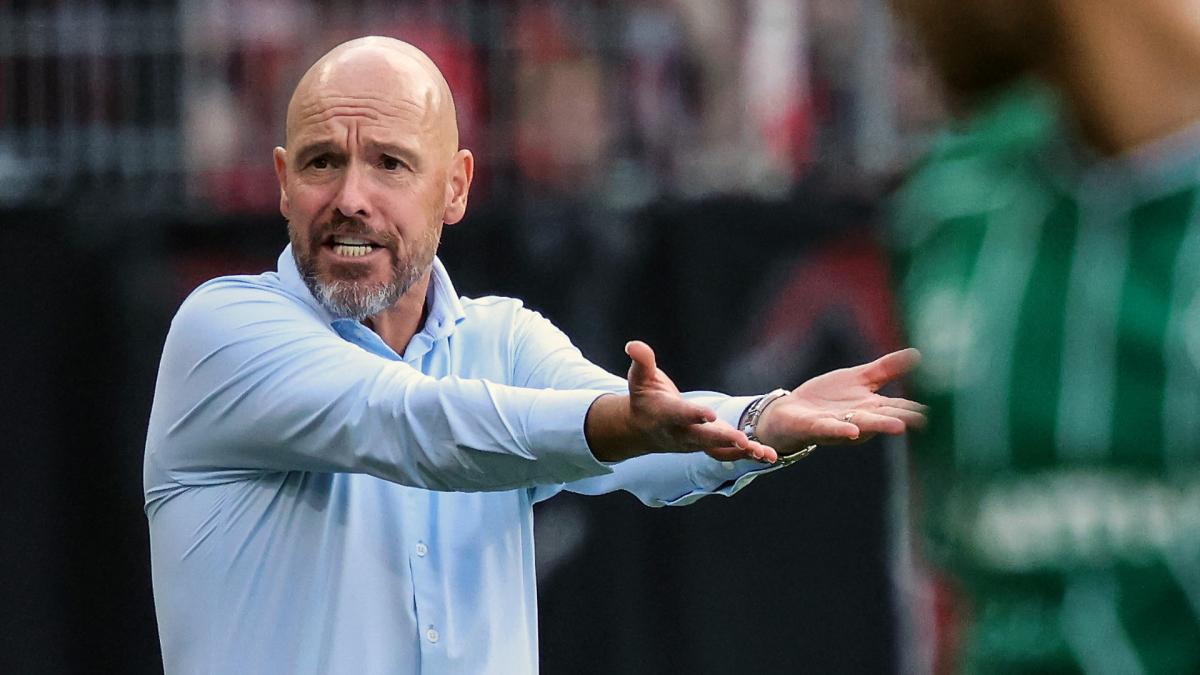
The Unexpected Dismissal of Erik Ten Hag: A Shocking Turn for Bayer Leverkusen
The football world was recently taken aback by the sudden dismissal of Dutch coach Erik Ten Hag from his position at Bayer Leverkusen, following a frustrating two months marked by a defeat and a draw in the Bundesliga. The decision, which caught many by surprise, was rooted in ongoing concerns from the club management regarding the direction of the team’s performance. Reports indicate that despite briefly holding the reins, Ten Hag’s leadership was seen as a pathway to failure.
The influential German daily Bild revealed that tensions escalated when the club’s management, in a surprising move, recruited Lucas Vázquez from Real Madrid without consulting Ten Hag. This decision was seen as a major breach of trust between the coach and the management. The situation was further complicated by the fact that Ten Hag did not meet Vázquez until several days post-signing, signaling a lack of alignment between his vision and that of the club’s higher-ups.
Such abrupt changes typically carry hidden costs, and Bayer Leverkusen is no exception in this case. The club will incur significant financial ramifications as Ten Hag was under contract until 2027. Early estimates suggest that he will receive around six million euros in total, factoring in both compensation and wages for the approximately 60 working days he had spent with the team—an eye-watering average of 100,000 euros per day. Despite the financial burden, the club exhibited a strong commitment to stabilize its direction, opting to fire Ten Hag rather than prolong a project that was increasingly seen as doomed.
This decision begs the question: Who will take the reins next? Among the names being floated to replace Ten Hag is Marco Rose, a familiar figure in German football, known for his prior tenure at RB Leipzig. Speculations abound regarding what Rose might bring to Leverkusen, as he has cultivated a reputation for dynamic attacking football and tactical innovation.
The psychology behind such managerial changes involves immediate assessments of club performance metrics, beyond merely wins and losses. Football is an unforgiving arena, where the expectations are often monumental, especially for clubs like Bayer Leverkusen, which have aspirations to compete at the highest levels. Leverkusen’s management was not merely evaluating the team’s results, but rather the overall trajectory of the club under Ten Hag’s leadership.
In the current climate of football, coaches operate under immense pressure. The stakes are particularly high in leagues like the Bundesliga, where the competition is fierce, and clubs are under constant scrutiny by fans and media alike. Ten Hag’s failure to establish an immediate impact within such a short time frame likely expedited the management’s decision. They recognized that instability, if allowed to fester, could undermine the club’s broader ambitions.
The timing of this dismissal also inevitably leads to discussions about the future ahead not only for Leverkusen but also for Ten Hag. Although his stint ended abruptly, Ten Hag’s previous credentials had positioned him as a promising tactical mind in European football, especially following his successes with Ajax and Manchester United. It will be intriguing to see how this setback influences his career trajectory and whether he will find another opportunity to showcase his talents.
Leverkusen’s next steps will not only revolve around finding a competent replacement for Ten Hag but also in reassessing their organizational philosophy. Changes in management often lead to a reconstruction of tactics, attitudes, and overall team dynamics. Therefore, the new manager will have the monumental task of galvanizing the players while still maintaining harmony within a club that has recently undergone substantial upheaval.
With the expected arrival of a new head coach, eyes will be on Bayer Leverkusen to see how they approach the upcoming matches as they strive to reclaim their place among Germany’s top clubs. The ripple effects of Ten Hag’s dismissal will certainly be felt both on and off the pitch, setting a new course as they look to remedy the problems that led to this dramatic change.
In conclusion, the sudden firing of Erik Ten Hag from Bayer Leverkusen has left a significant mark within the football community. As fans and players alike digest this unexpected shake-up, the club faces a period of transition that could serve as an opportunity for revitalization. The challenges ahead are profound, but they also present a chance for renewal and growth as Bayer Leverkusen strives to get back on track.