
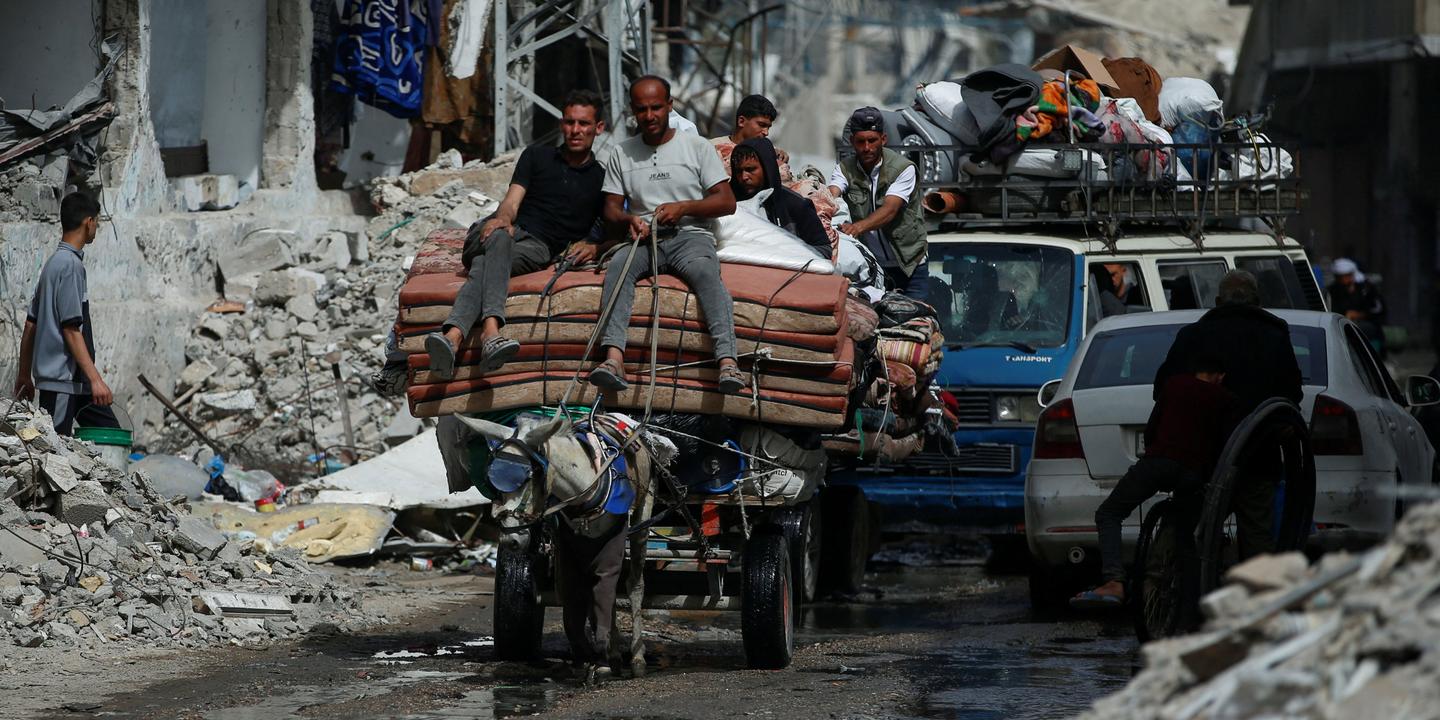
Gaza: The Center of Attention at the Arab Summit in Baghdad
On Saturday, **Arab countries** will converge in **Baghdad** for an important summit focused primarily on the ongoing situation in **Gaza**. This significant gathering comes just over two months after an earlier meeting in **Cairo**, where **Arab leaders** approved a **reconstruction plan** for the **Gaza Strip**, aimed at sidelining **Hamas**. The urgency for an effective resolution underlines the critical humanitarian and political challenges faced by the region.
Participating in the summit will be the **United Nations Secretary-General**, **Antonio Guterres**. However, notable absences are expected among the leaders of the **Gulf countries**, a decision reportedly influenced by diplomatic channels. Additionally, **Syrian President Ahmed al-Charaa** will also be missing from the proceedings, further hinting at the complexities of regional politics.
**Iraqi Foreign Minister** **Fouad Hussein** has indicated that the forthcoming summit in Baghdad is poised to endorse the strategic decisions made during the Cairo meeting in March. This plan focuses on supporting the **reconstruction of Gaza** as a robust alternative to the controversial proposals put forth by former U.S. President **Donald Trump**, which had drawn significant criticism for seeking to exert control over the territory. During a recent visit to **Qatar**, the current U.S. President has expressed a desire to redefine **Gaza** as a **”space of freedom.”**
While Iraq has been mired in a cycle of **devastating conflicts** and **political instability** for decades—especially following the **U.S.-led invasion** in 2003 that resulted in the ousting of **Saddam Hussein** and led to the rise of various **jihadist factions**—it has only recently begun to stabilize. This stability provides a foundation for Iraqi leaders to promote a new image of the nation on the global stage.
Interestingly, the last Arab League summit hosted in Iraq occurred in **2012**, coinciding with the onset of the war in neighboring **Syria**. The country’s recovery from its troubled past positions it uniquely as a viable host for discussions of this magnitude, emblematic of its newfound aspirations for regional leadership.
Current Context and Challenges Facing Gaza
**Gaza** has faced a myriad of human rights challenges, economic hardships, and political conflicts over the years. The international community continues to grapple with finding a sustainable and comprehensive solution to these issues. As the situation unfolds, it will be crucial for the leaders gathered in Baghdad to not only discuss reconstruction strategies but also to address the **root causes** of the ongoing conflicts in the region.
The Role of External Influences
The geopolitical landscape surrounding Gaza is profoundly influenced by external actors, including Western nations and neighboring countries. The decisions made at the summit could either pave the way for constructive international engagement or exacerbate existing tensions, depending on how these nations approach the delicate situation.
Prospects for Reconstruction and Stability
The reconstruction efforts proposed by the Arab leaders focus not only on rebuilding **infrastructure** but also on fostering a sense of **community** and restoring **hope** among the Gazan population. Ensuring a successful recovery will require collaboration among various **stakeholders**, including international organizations, non-governmental organizations, and local governance bodies, to create a stable environment conducive to growth and development.
Looking Ahead: The Importance of Regional Solidarity
The upcoming summit represents more than just a meeting of nations; it is a testament to **regional solidarity** in the face of adversity. By rallying around a cause that impacts the lives of millions, Arab countries have the opportunity to display their unity and commitment to finding **peaceful solutions** to the challenges facing Gaza. As discussions progress, the hope is that they will lead to actionable outcomes that not only reconstruct Gaza but also reshape the future of **Arab cooperation**.