
The Rise and Fall of Apple in the Wearable Market
Apple’s Dominance in the Wearables Market
For many years, Apple was the undisputed leader in the wearable technology sector, particularly with its flagship product, the Apple Watch. The brand successfully captured a significant portion of this market, even outselling the entire Swiss watch industry. Apple’s strategy of integrating cutting-edge technology with sleek design set the standard for smartwatches.
Recent Market Trends
However, recent figures indicate a shift in this landscape. According to Canalys, Apple has slipped from its number one position to second place globally, now trailing behind Xiaomi. This shift is less about declining sales for Apple, which still shows a 5% growth in units sold, but rather about the aggressive competition from companies like Xiaomi and Huawei.
Apple’s decline began to take shape as competitors introduced devices that appealed to a broader audience. The rise of affordable, feature-rich wearables from Chinese manufacturers has reshaped consumer expectations and purchasing behaviors.
Competing Brands: Rising Stars
Xiaomi now leads the market with a staggering 44% growth in sales, largely driven by its extensive range of affordable smartwatches and fitness trackers. Following closely is Huawei, which has maintained its strong position with a 36% growth rate. Such developments indicate a healthier overall market for wearables, with a total growth of 13% from the first quarter of 2024 to the same period in 2025.
In contrast, while Apple’s sales still reflect a positive trajectory, they are not sufficient to keep pace with the rapidly expanding competition. The data reveals that although Apple sold 7.6 million units, accounting for 16.3% of the market share, it remains overshadowed by Xiaomi’s 8.7 million units sold.
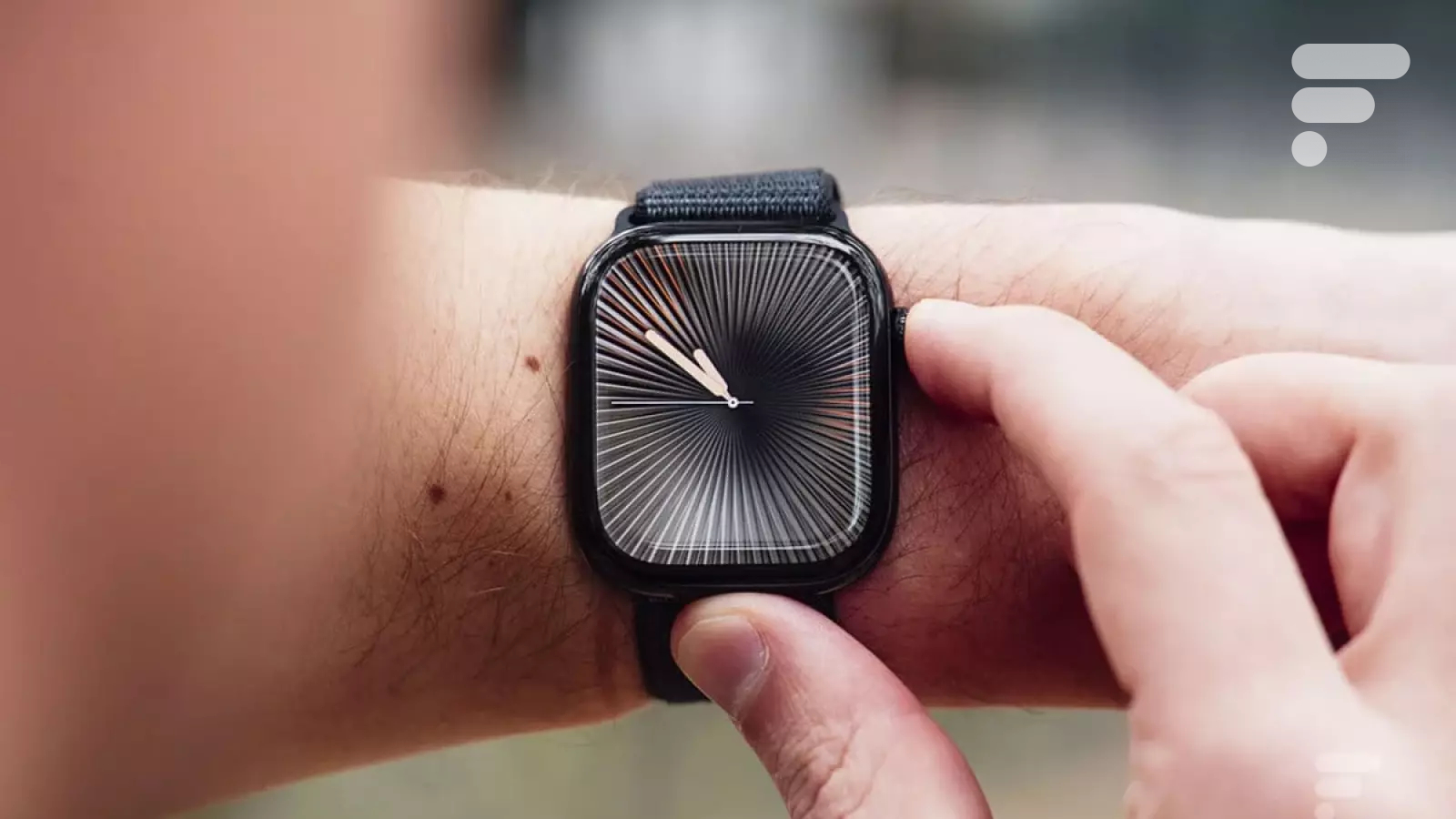
Apple Watch Series 10 // Source: Robin Wycke – Frandroid
Why Apple is Falling Behind
Apple’s decline in market share can largely be attributed to its pricing strategy. The company is known for its premium pricing, which makes it difficult for many consumers to justify purchasing an Apple Watch when more budget-friendly alternatives are available. While Apple’s products are highly regarded for their functionality and quality, many consumers are increasingly willing to explore cheaper options that still deliver excellent features.
For example, Xiaomi’s Smart Band 9 Pro and various other models from competitors offer impressive specifications at a fraction of the price. This pricing strategy has enabled them to attract a larger customer base.
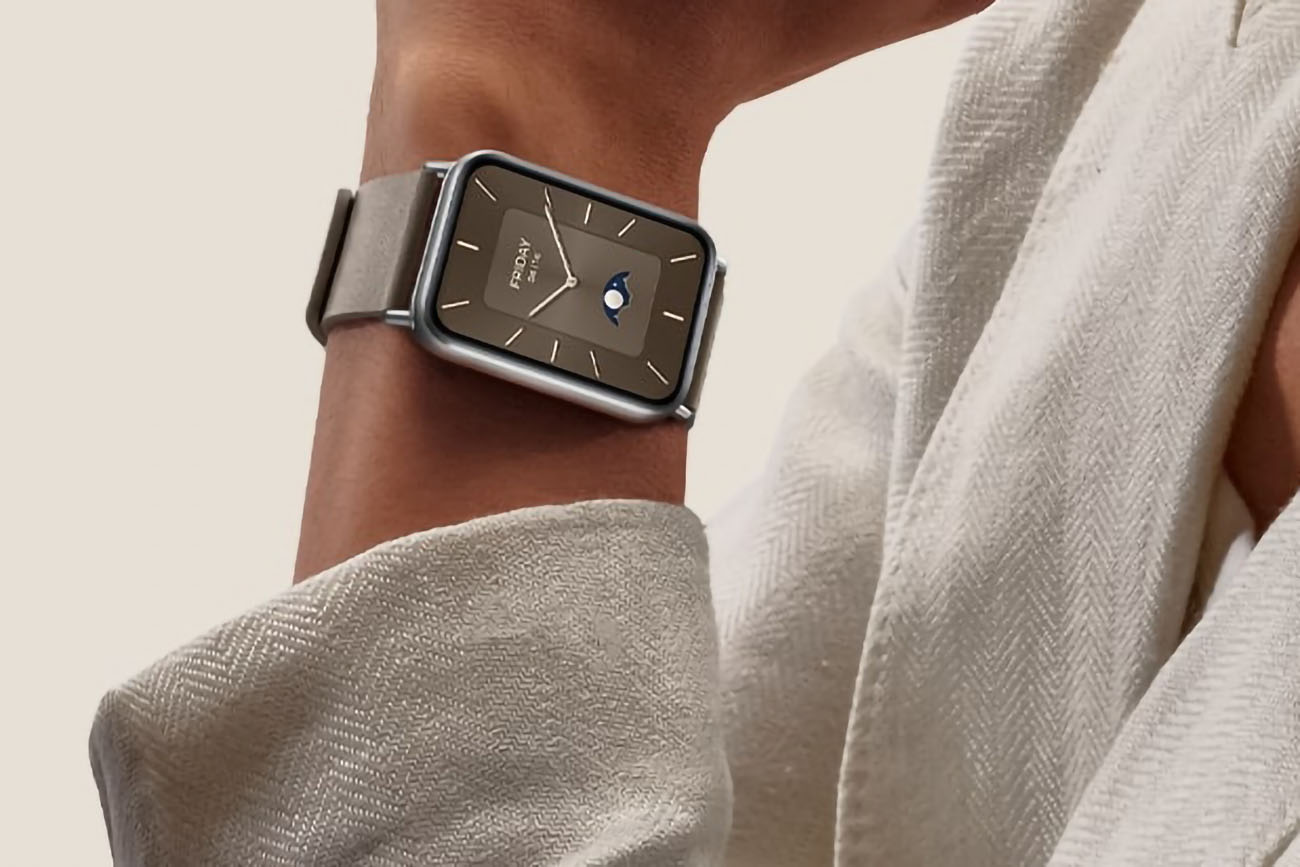
Xiaomi Smart Band 9 Pro // Source: Xiaomi
Sales Figures Breakdown
As per Canalys’s report on the top wearable sellers for Q1 2025, the numbers are as follows:
- Xiaomi: 8.7 million units sold (18.7% market share, +44% growth)
- Apple: 7.6 million units sold (16.3% market share, +5% growth)
- Huawei: 7.1 million units sold (15.1% market share, +36% growth)
- Samsung: 4.9 million units sold (10.6% market share, +74% growth)
- Garmin: 1.8 million units sold (3.9% market share, +10% growth)
- Others: 16.5 million units sold (35.4% market share, -10% growth)
These figures underscore the competitive pressure Apple is under as it strives to maintain its position. The brand must find ways to enhance its products while also exploring options for competitive pricing.
Future of the Wearables Market
Looking ahead, Apple must evolve its strategy to address the fierce competition it faces. Innovation remains key, as does adapting to market trends and consumer preferences. With a growing emphasis on fitness tracking and health monitoring features, the potential exists for Apple to regain market momentum.
Conclusion
In summary, Apple has seen a significant shift in its wearable market position, moving from a clear leader to the second spot behind Xiaomi. While still experiencing growth, the brand must address its pricing strategy and remain innovative to cope with intense competition. As the market continues to evolve, it will be intriguing to see how Apple responds to reclaim its leading status.
Longtemps largement premier sur le secteur des wearables, Apple, continue à perdre des parts de marché et passe, selon les chiffres de Canalys, à la seconde place mondiale, derrière Xiaomi.
General News – 2