
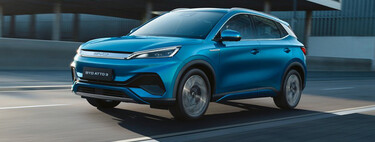
Chinese Brands Make Their Mark in Spain’s Automotive Landscape
In recent years, the emergence of Chinese automotive brands in Spain has shifted the dynamics of the market. This phenomenon represents a marked departure from traditional dealership models, allowing for a broader array of vehicle options at competitive prices. This surge is exemplified by companies like BYD, MG, and Chery, who are rapidly evolving consumer perceptions and transforming dealership experiences.
Breaking Down Prejudices with Innovative Sales Strategies
Chinese brands have confidently stepped into the Spanish automotive scene, leveraging unique sales approaches to win over consumers. BYD’s strategy stands out: they allow potential buyers to take cars home for a day rather than limiting them to brief test drives. This hands-on experience is pivotal in breaking existing stereotypes about Chinese vehicles and showcasing their quality.
As of late 2025, BYD reported impressive sales figures, surpassing notable brands such as Fiat and even Tesla, positioning themselves as formidable competitors in the electric vehicle sector.
The Drive for Visible Presence
A key driver of the success of Chinese brands in Spain is their presence on the streets, making vehicles accessible to consumers. With over 600 points of sale across the country, the significance of being visible cannot be overstated. José María Blitz, a dealership director, highlights the shift in public perception: consumers no longer view these brands as obscure newcomers but recognize them as legitimate contenders in the automotive market.
Competitive Pricing and High Specifications
Chinese brands are gaining traction largely due to their competitive pricing combined with advanced technology and high specifications. According to Blitz, these brands often provide up to 25% lower prices compared to traditional European counterparts, while offering superior equipment levels. This value proposition resonates with consumers looking for quality without the hefty price tag.
Partnering with Established Distributors
The successful entry of Chinese brands into Spain has also been facilitated by strategic partnerships with established dealership groups. Collaborating with experienced distributors like Astara allows these brands to leverage existing networks, ensuring a smoother market entry and rapid visibility. This approach contrasts sharply with traditional brands that have faced challenges by changing their sales models.
The Role of After-Sales Service
The commitment to excellent after-sales service is another critical factor for these brands. Both Blitz and Víctor Moll emphasize that providing ongoing support and maintenance is essential for building consumer trust and brand loyalty. Chinese manufacturers have demonstrated an understanding of local markets, making investments in parts availability and technician training to ensure reliable service.
Looking Ahead: A Balanced Automotive Future
While the influx of Chinese brands is notable, it is essential to recognize that it coexists with a robust existing network of traditional manufacturers. Future growth will depend on factors including regulatory stability and the ongoing evolution of the electric vehicle market. Faconauto, the dealer association, points out that decisions will be based more on project solidity and after-sales support rather than the vehicle’s country of origin.
Conclusion
As Chinese brands continue to establish their foothold in the Spanish automotive market, they bring with them innovation, competitive pricing, and a customer-first mentality. This movement represents not just a trend but a shift in how automotive business is conducted in Spain. With a clear commitment to quality and customer satisfaction, Chinese companies like BYD and MG are here to stay, challenging long-standing perceptions and reshaping the future of driving in Spain.