
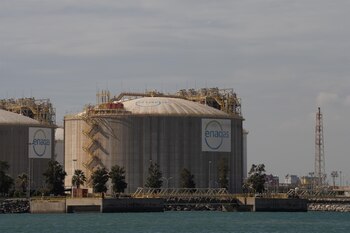
The European Union’s Gas Storage Strategy is a crucial element in navigating the complexities of the current energy crisis. On Friday, EU member states provided the green light for the European Commission’s proposal to extend the existing rules regarding gas storage facilities. This decision is designed to ensure that gas storage levels remain at 90% capacity before the onset of winter for the next two years.
The urgency of this extension arises from the geopolitical tensions and the need for energy security that the EU has faced, especially following the invasion of Ukraine in 2022. The current regulations , which were initially set to expire at the end of 2025, were introduced to help stabilize the region’s energy market and prevent price volatility . Implementing these storage obligations is vital for maintaining steady energy supplies during the cold months.
Flexible Compliance is a noteworthy aspect of the updated proposal. While the 90% storage requirement remains intact, the deadlines for meeting this target have been adjusted. Member states now have a timeframe that allows them to fill their storage capacity within two months, between October 1 and December 1. This is an extension from the previous deadline of November 1, providing countries with additional leeway to adhere to the storage requirements.
In light of prevailing market challenges , member states also secured the option to deviate from the 90% requirement under unfavorable circumstances. Specifically, a 10% deviation is permitted in cases where market conditions hinder the filling of storage sites, which can be highly beneficial during periods of extreme volatility. This flexibility is crucial for countries that may struggle to meet the stringent requirements due to unexpected global energy shifts.
The European Commission has also been granted the power, through a delegated act , to offer further flexibility. If necessary, this allows an extension of compliance by an additional 5% , contingent upon adverse market conditions. This is a clear acknowledgment by EU officials of the unpredictable nature of the energy sector and the need for agile responses to ensure compliance.
The Importance of Gas Storage cannot be overstated, especially as Europe braces for winter. With fluctuating energy supplies and the potential for energy shortages, filling gas storage facilities is an essential strategy. Not only does it mitigate risks associated with energy dependency, particularly on external suppliers , but it also plays a pivotal role in stabilizing domestic markets and ensuring that consumers have access to affordable energy during harsh weather.
Several EU member states have proactively increased their gas storage capacities since the onset of the conflict in Ukraine. Nations like Germany, France, and Italy have taken significant steps to enhance their operational capacity, ensuring that they can navigate the challenging energy landscape. Furthermore, this move towards higher storage levels can foster a sense of energy independence , a necessary trait in times of geopolitical uncertainty.
Long-Term Implications extend beyond the immediate winter months. The new provisions aim not only to prepare for the upcoming season but are also part of a larger strategic plan to bolster the region’s energy resilience in the face of future crises. By instilling these measures, the EU is laying the groundwork for a more secure and stable energy future, which is vital in ensuring that the economic consequences of energy disruptions are minimized.
Ultimately, the EU member states and the European Commission are taking proactive steps to safeguard their energy future. The extension of the 90% gas storage obligation , with added flexibility for compliance, demonstrates a concerted effort to maintain energy security. As the region continues to face uncertainties in global energy markets, these measures will be vital in ensuring that the EU can withstand and adapt to future challenges.