
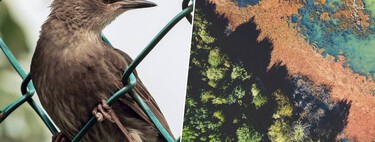
## The Rise of Estrildas in Spain: A 60-Year Journey
In 1964, a handful of estrildas, small opportunistic birds from sub-Saharan Africa, were released in Portugal. Within a decade, this species had settled in Extremadura and Andalusia, and by the 1980s, they had extended their reach across the eastern part of the Iberian Peninsula. Despite this, they remained largely unnoticeable for 60 years, quietly establishing themselves without much fanfare.
### Population Boom: A Surprising Turn of Events
In recent years, however, a remarkable transformation has occurred. Over the last 15 years, the population of Valencian estrildas has multiplied tenfold, while Catalonia has witnessed a tripling of these birds. What catalyzed this unexpected boom? Surprisingly, experts have pinpointed the rise of two other invasive species as a key factor in this shift.
### The Role of Invasive Plants
Media outlets have begun reporting that the African estrilda “has already arrived” in Spain; yet, this species has been present for decades. The recent surge can be attributed to the increasing number of uncultivated plots of land—now one in five—serving as ideal breeding grounds. Two invasive plants, the common reed and the Pampa feather duster, have created perfect habitats for estrildas, allowing them to thrive.
### Not Just a Food Source
Interestingly, researchers have found that estrildas do not consume these invasive plants; instead, they provide shelter, roosting sites, and structural support that enhances the birds’ chances of survival. For years, estrildas endured in a challenging environment, but now, thanks to these plants, they have found areas that suit them perfectly.
### A Complex Narrative
This scenario is layered and complex, deeply intertwined with agricultural dynamics. The evolution of the countryside, marked by significant changes, has facilitated the spread of both the Pampa feather duster and the common reed. Consequently, the cascade of invasions poses significant worries for biodiversity.
#### Chain of Invasions
It is crucial to note that the core concern among experts isn’t the estrilda itself, as its presence appears not to harm local fauna. Rather, it is the broader chain of invasions that raises alarms. The feather duster hails from South America, the common reed from Asia, and the estrilda from Africa. Together, they have thrived in southern Europe, raising concerns about ecosystems that are becoming increasingly uncharted territory.
### The Need for Comprehensive Management
Ultimately, the crux of the issue lies in our agricultural practices. The arrival of these invasive species underscores the urgent need for comprehensive field management. As ecological complexities unfold, understanding the intricate relationships between flora and fauna may be vital in tackling the challenges posed by invasive species.
In conclusion, the story of the estrildas in Spain exemplifies how interconnected ecosystems can lead to unexpected outcomes. The continual introduction of species reshapes the landscape in ways we still strive to comprehend fully. Addressing these challenges demands a balanced approach to agriculture and wildlife management.
Image | XRTF
In Xataka | England is experiencing an unprecedented invasion. The problem is that they are octopuses, and they are devouring everything they can find.