
Tencent’s Influence in U.S. Military Training Tools
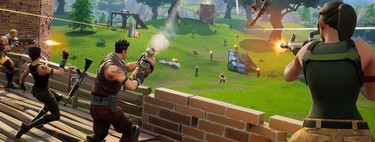
The Trump administration is currently assessing whether to compel Tencent, a Chinese tech giant, to divest its interests in several prominent Western video game companies. These companies include Riot Games, Epic Games, and Supercell, which collectively engage over a billion players globally. At the heart of the matter is the Unreal Engine, critical for military simulations. This ongoing debate has drawn parallels to the TikTok situation, underscoring the complexities of foreign investments affecting national security.
The Significance of Tencent
Tencent stands out as the world’s largest video game company and a major silent partner in the Western gaming sector. Its ownership extends to 100% of Riot Games, 28% of Epic Games, and majority control of the Finnish company Supercell, the creator of popular mobile games like “Clash of Clans.” In addition, Tencent has stakes in several other major studios, including Larian, Remedy, Ubisoft, and Discord. This influx of capital has historically benefited Western studios seeking investment, resulting in a symbiotic relationship that had largely gone unchallenged—until now.
The White House’s Growing Concerns
Despite a previously benign view, the White House has expressed growing concern over Tencent’s investments. The Committee on Foreign Investment in the United States (CFIUS) began scrutinizing these holdings during Trump’s first term. This review has transformed into one of the longest-running cases in the organization’s history, showing no definitive direction through two administrations. The worry is rooted in the data collection capabilities of video game platforms, which capture sensitive information, including financial details and chat logs. These datasets are especially appealing to intelligence agencies, raising alarms about potential security risks.
Implications of the Unreal Engine
A particularly notable concern is the role of the Unreal Engine, utilized not only in mainstream gaming but also for military training and simulations. The U.S. Armed Forces have collaborated with Epic on its development, making Tencent’s investment in the company a national security matter. In January 2025, the Pentagon officially labeled Tencent as linked to the Chinese military, a claim Tencent disputed but hasn’t been retracted.
Internal Disagreements and Stalled Progress
During the Biden administration, the situation has become complicated by internal disagreements regarding how to handle Tencent’s investments. Deputy Attorney General Lisa Monaco called for forced divestment, while the Treasury Department advocated for retaining these investments under stringent data protocols. The lack of consensus has left the matter frozen, further complicated when a cabinet meeting intended to discuss it was postponed. The stock market reacted negatively, with Tencent shares declining as uncertainty loomed.
Similarities with TikTok: A Cautionary Tale
While there are similarities to the U.S. government’s standoff with TikTok, notable differences exist as well. In TikTok’s case, the U.S. mandated creating a new entity with 80% U.S. investor ownership as a prerequisite for continued operation. Tencent’s situation is distinct, as it is not operating in the U.S. but holds shares in established companies there. A forced divestment would entail complex restructuring of private capital, possibly destabilizing the entire gaming sector due to Tencent’s significant financial influence.
Looking Ahead: Potential Resolutions
A looming deadline exists for resolving these concerns, particularly as Trump prepares for a diplomatic visit to China in April. Pushing Tencent to divest could signal a strong stance before negotiations with Xi Jinping. However, a conspicuous silence prevails among the involved parties—U.S. Treasury, Tencent, Epic, and Riot—leaving the future uncertain. Whether or not swift action takes place, the implications for the gaming industry and national security will be profound.