
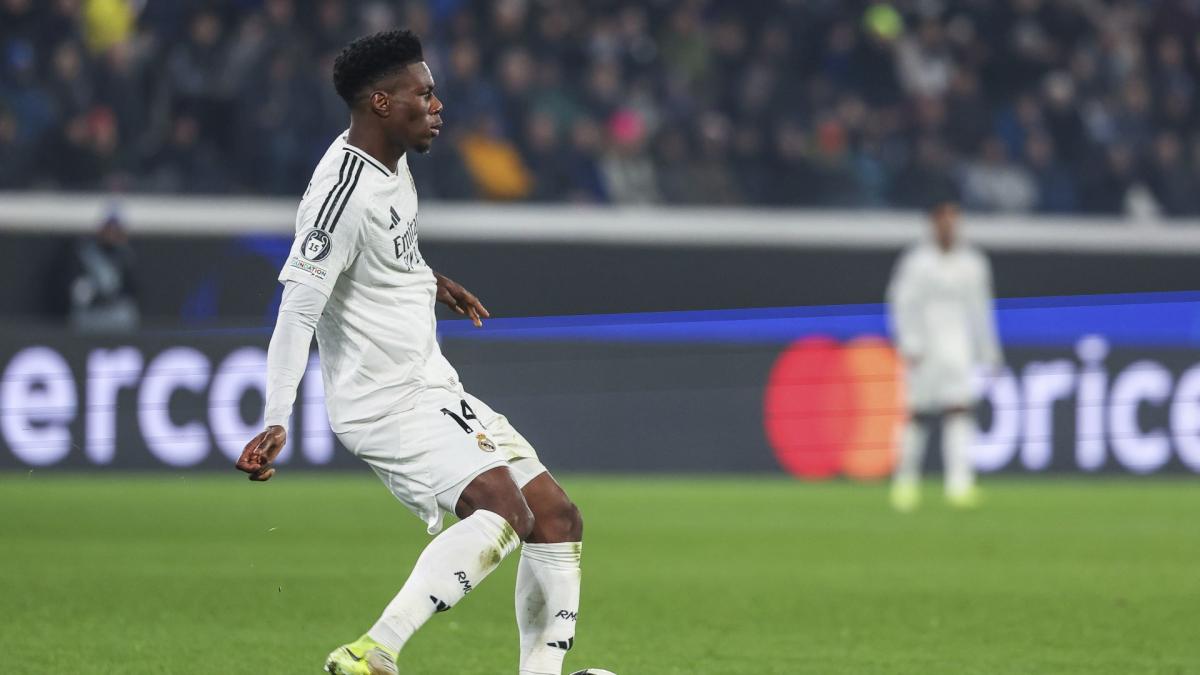
Tchouaméni’s Journey Amidst Pressure
The Weight of Expectations at Real Madrid
Aurélien Tchouaméni recently opened up about the immense pressure players face while representing a prestigious club like Real Madrid. Reflecting on a challenging phase of his career, Tchouaméni described how relentless scrutiny from fans and media takes a toll on players’ mental health. Despite his absence during a crucial loss against Bayern Munich due to suspension, he emphasized the need to manage high expectations.
In an insightful conversation on the podcast Pivot, Tchouaméni revealed how he coped with the intense atmosphere at the Bernabéu, stating, “I was made a scapegoat. For the first 10 to 20 minutes, the stadium was booing me every time I touched the ball.” This candid acknowledgment highlights the extreme mental fortitude required to thrive in such a competitive environment. He affirmed that managing one’s performance is key: “The only thing I can control is my performance. People will comment on everything you do, whether it’s good or bad.”
Confronting Racism in Football: Tchouaméni’s Stance
Tchouaméni also tackled the pressing issue of racism in football, particularly pointing to a distressing incident involving his teammate Vinícius Júnior. The Brazilian winger faced abhorrent racist insults during a Champions League match, with Tchouaméni firmly denouncing such behavior. He articulated the seriousness of the situation, stating, “They called him a monkey. I think the next step will be to stop playing.”
His words underscore a growing sentiment among athletes that such discrimination cannot be tolerated. Tchouaméni called for a more radical response from clubs and governing bodies, signifying that merely condemning racism is no longer sufficient. “We will no longer tolerate such scenes happening again,” he asserted, sending a potent message that resonates deeply within the sporting community.
The Path Forward: A Collective Responsibility
The situation demands a collective effort from all stakeholders in football. Tchouaméni’s comments reflect a broader need for clubs, players, and fans to unite against racism. A substantive change can only occur through a comprehensive approach, combining education, strict penalties for offenders, and proactive measures to foster an inclusive environment.
Players like Tchouaméni and Vinícius are not only advocating for themselves but for future generations of athletes who should not have to endure the same prejudices. The solidarity shown by Tchouaméni seeks to reinforce that football transcends color and nationality, and it must be a safe space for all.
Conclusion
Aurélien Tchouaméni’s reflections serve as a crucial reminder of the dual challenges athletes face: navigating the high stakes of professional sports and combating the ugly realities of racism. As discussions around these issues intensify, it is paramount for football to prepare for a future where equality and respect prevail on and off the pitch. The messages delivered by Tchouaméni and his peers may very well be the catalysts needed to foster change in the sport.