
Direct Peace Talks Between Moscow and Kyiv Thursday: A Fresh Start
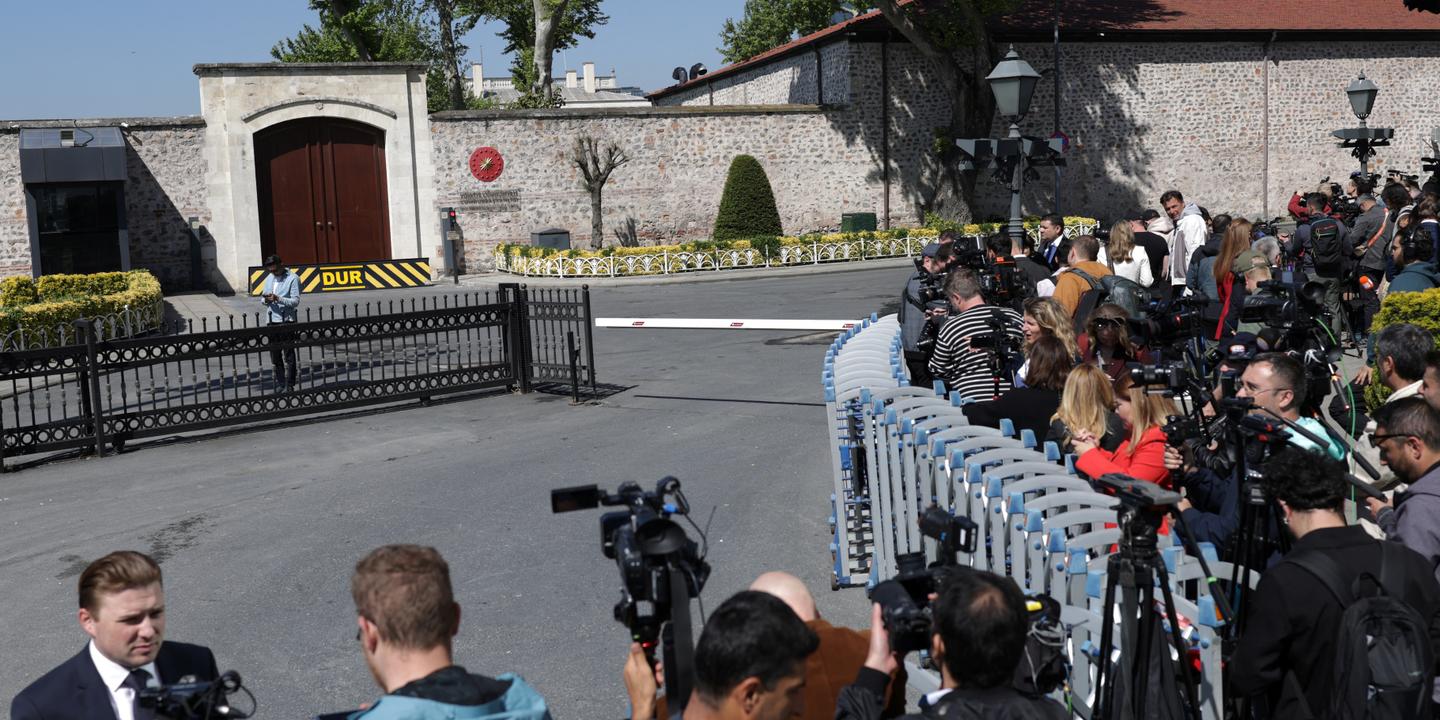
After more than **three years** since the onset of the **Russian invasion of Ukraine**, **Kyiv** and **Moscow** are set to initiate direct **peace talks** in **Istanbul, Turkey**—marking the first discussions of this nature since **spring 2022**.
The **Ukrainian delegation’s composition** remains undisclosed. Despite the absence of **Vladimir Putin**, the **Ukrainian president’s** attendance in Istanbul is uncertain. **Andrii Sybiha**, Ukraine’s **Minister of Foreign Affairs**, revealed on Tuesday his plan to attend a concurrent meeting of **NATO foreign ministers** in **Antalya**, southwest Turkey. This juxtaposition raises questions about the seriousness of Russia’s commitment to these discussions.
**President Zelensky** has urged **Donald Trump** to attend the peace talks, suggesting that it would “add additional momentum” to the meeting’s objectives. Trump previously mentioned the “possibility” of attending the session if **Putin** committed to substantive dialogue. Currently, **Marco Rubio**, leading American diplomacy, is expected in Istanbul on Friday, as confirmed by a senior **State Department** official.
The likelihood of **Putin’s participation** appears low. The **Kremlin’s** announced Russian delegation will be led by **Vladimir Medinski**, a presidential advisor, along with **Mikhail Galouzine**, the vice-minister of foreign affairs, and **Alexandre Fomine**, the defense vice-minister. Additionally, **Igor Kostioukov**, the head of the **General Staff**, is also part of the team—indicating a focus on military aspects of the conflict.
- What is the position of the parties?
**Kyiv**, supported by its **European allies** and **Washington**, demands a **30-day total ceasefire** before entering into deeper negotiations. Although Putin has not ruled out the possibility of discussing a truce, he emphasized that talks should delve into “the **root causes** of the conflict.” Moscow previously resisted extending a ceasefire, fearing that it would allow **Kyiv** to bolster its defenses with **Western weapons**.
Since the **invasion’s** beginning, the Kremlin has maintained a **maximalist stance** on its demands. This includes **Ukraine’s** renunciation of any aspirations to join **NATO**, surrendering four partially Russia-controlled regions along with **Crimea**, and a halt to **Western arms deliveries**. Such conditions are intolerable for **Kyiv**, which has long sought **robust security guarantees**—either through **NATO membership** or the deployment of **European military forces**.
**Iouri Ouchakov**, Putin’s diplomatic advisor, highlighted that the agenda for the discussions would encompass both **policy** and **technical** matters, hinting at potential complexities. This remains particularly relevant as the **international community** watches closely for any signs of progress.
**European allies** of Ukraine have warned Russia of potentially **massive sanctions** if they fail to agree on an extended truce in the immediate future. Zelensky has called for the “strongest sanctions imaginable” should Putin decide against attending the talks. On the **17th**, the **EU** adopted a sanctions package targeting specific **oil tankers** within Russia’s “**ghost fleet**,” assisting them in circumventing restrictions.
Despite ongoing efforts towards a **diplomatic resolution**, Russia continues to assert the strength of its economy amid sanctions, reiterating its commitment to pursue its “**goals**” of the invasion with renewed vigor. This underlines a complex dynamic, where dialogue must navigate through a multitude of stubborn positions held by both parties.