
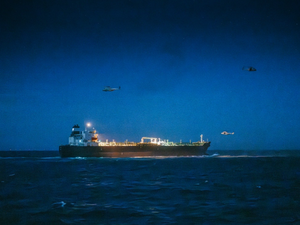
## Interception of the “Ghost Fleet” Oil Tanker
Belgian special forces successfully intercepted an oil tanker suspected of being part of Russia’s elusive “ghost fleet” in the North Sea during the early hours of March 1. This operation, marking a significant moment in the enforcement of sanctions against Russia, involved escorting the vessel to Zeebrugge for seizure, supported by coalition forces from the G7 and France.
## Belgian Forces Take Action
The interception comes on the heels of intensified actions against Russian maritime operations aimed at evading international sanctions imposed after the 2022 invasion of Ukraine. Belgian Deputy Prime Minister Maxime Prévot announced the operation, commending the special forces for their “exceptional professionalism and courage” during the mission.
> “Today a ship from Russia’s ghost fleet was intercepted in the North Sea.” – Maxime Prévot
French President Emmanuel Macron also lauded the operation, recognizing it as a significant blow to the illicit fleet that skirts sanctions. The operation underscores robust European resolve to dismantle financial channels that support Russia’s military actions.
## The Role of the Shadow Fleet
Russia has reportedly utilized a network of aging tankers with opaque ownership structures as part of a strategy to bypass sanctions and maintain its crude export economy. Such tactics represent a broader initiative to ensure funding flows despite increasing international pressure.
> “Without his shadow fleet, Putin can’t wage war against innocent Ukrainians. So we take these vessels out. One by one.” – Theo Francken
### Sanctions in Practice
The European Union has actively blacklisted hundreds of these vessels to diminish Moscow’s ability to finance its war. Prévot emphasized that effective sanctions only become meaningful when enforced, and the recent seizure of the tanker exemplifies this theory in action. There is speculation that the intercepted vessel may have operated under a false flag, a common tactic employed to obscure ownership.
## Collaborative Efforts
The successful interception and impending seizure of the tanker were not conducted in isolation. The operation was part of a coordinated effort involving Belgium’s G7 allies, along with Nordic and Baltic partners, emphasizing the unity among European nations in confronting Russian aggression.
### Conclusion
The recent interception of a suspected Russian “ghost fleet” oil tanker signifies a pivotal step in enforcing sanctions against Russia’s military funding operations. As nations marshal resources and collaborative strategies, the resolve to disrupt financing channels continues to shape the geopolitical landscape in response to acts of aggression. The efficacy of these measures will be closely monitored as the situation evolves.