
Every year, approximately 90,000 cases of strokes occur in Spain, leading to an average of 23,000 deaths , according to the data provided by the Spanish Society of Neurology. This figure could potentially decline significantly as many of the risk factors associated with these events stem from behaviors and habits that we can change.
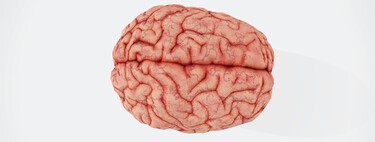
Before examining the controllable and non-controllable risk factors associated with strokes, it is vital to clarify what a stroke actually is. A stroke, or cerebrovascular accident , occurs when the blood flow to a part of the brain is interrupted or drastically reduced, impairing the brain’s ability to function.
Strokes can be categorized into two types: ischemic and hemorrhagic . The former is more common and is caused by a blockage in a blood vessel, such as a clot or narrowing due to fatty deposits. On the other hand, hemorrhagic strokes occur when a blood vessel ruptures, leading to bleeding directly into the brain.
<img alt="Our risk of suffering a stroke increases in summer. These are the main symptoms to detect it in time" width="375" height="142" src="https://i.blogs.es/4ff97b/cerebro/375_142.jpeg"/>There isn’t a definitive list of risk factors associated with strokes due to the numerous overlaps and interconnections among them. Furthermore, distinguishing between controllable and uncontrollable factors can be quite challenging.
A prime example is diabetes . While this condition is a known risk factor for strokes, whether or not an individual has diabetes is out of our control. However, we can minimize risk factors associated with diabetes that are modifiable.
Despite the complications surrounding these definitions, experts estimate that controllable risk factors account for approximately 60% to 90% of the risk of experiencing a stroke. Effectively avoiding these factors can drastically reduce our chances of such a critical health event.
So, what are the modifiable risk factors we can influence? According to the National Heart, Lung, and Blood Institute in the USA, these include high blood pressure, obesity, physical inactivity, an unhealthy diet, and smoking.
The American medical institution, Johns Hopkins Medicine , states that a blood pressure reading of 140/90 or higher significantly increases the likelihood of having a stroke. Additionally, obesity, diet, and physical inactivity are interconnected risk factors that can compound the risk.
Smoking is often highlighted as one of the most prominent risk factors for strokes. Moreover, alcohol abuse and the use of recreational drugs like cocaine can also elevate the risk. Even certain legal substances, such as oral contraceptives, have been linked to an increased chance of strokes.
Regarding emotional health, issues such as anxiety , depression , and stress can also act as risk enhancers. While we may have some control over these conditions, the extent can vary significantly based on individual circumstances. Our environment plays a role too; living or working in areas with high pollution can exacerbate stroke risks, but relocation is not always feasible.
What We Cannot Change
Some risk factors, however, lie entirely beyond our control. One significant uncontrollable factor is age ; as individuals grow older, their likelihood of suffering a stroke increases.
The sex of a person also influences stroke risk. Men are generally at a higher risk at younger ages, whereas, due to their longer life expectancy, women tend to experience strokes in greater numbers over their lifespan.
Ethnic background can also play a crucial role; studies indicate that African Americans, Native Americans, and Hispanics in the United States have higher stroke incidences. Finally, genetics and a family history of strokes can also constitute significant risk factors, particularly if a stroke occurred at a younger age in relatives.
It’s worth noting the key symptoms associated with strokes to facilitate quick identification and prompt medical assistance. Key indicators include sudden weakness or numbness in the face, arm, or leg (often on one side of the body), confusion or trouble speaking, sudden loss of vision, dizziness, loss of balance, or a severe headache with no obvious cause.
In conclusion, understanding strokes and their risk factors—both controllable and uncontrollable—is crucial for prevention and treatment. By addressing modifiable behaviors and being aware of the signs and symptoms, individuals can take proactive steps towards reducing their risk and ensuring timely assistance in the event of a stroke.
Image | Anna Shvets