
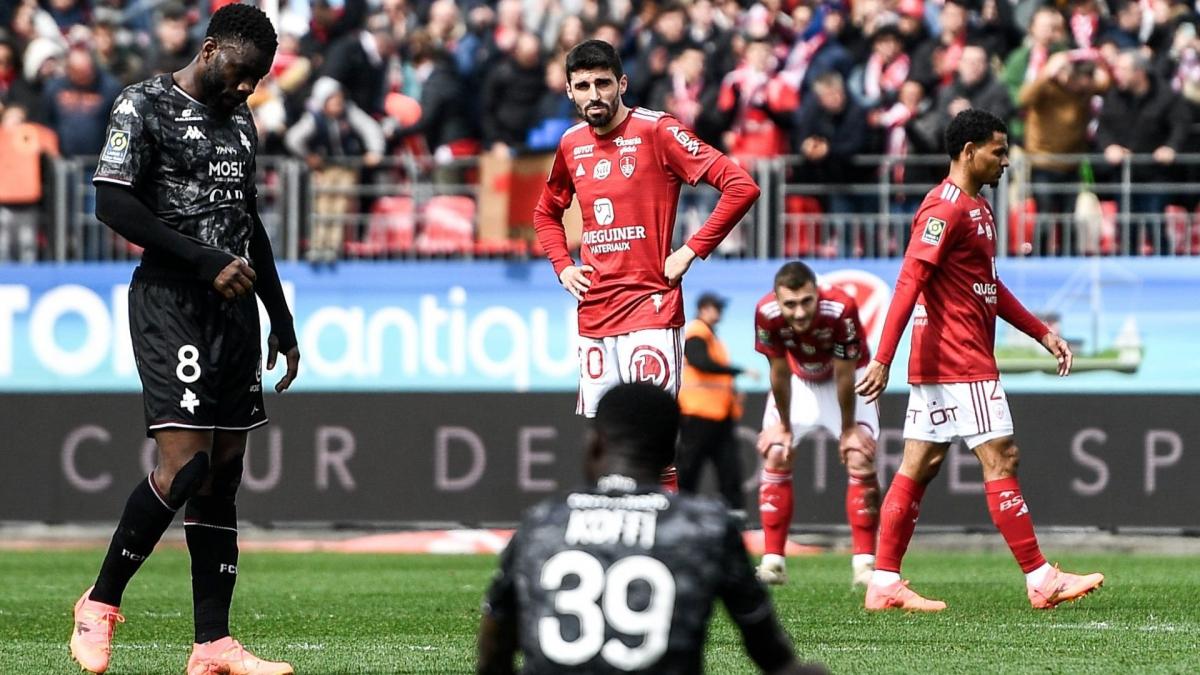
OL’s Strategic Shift in Recruitment: The Search for Value in Football
In an evolving football landscape, where financial sustainability is becoming increasingly crucial, Olympique Lyonnais (OL) is reevaluating its recruitment strategy. The club’s recruitment manager, Matthieu Louis-Jean, recently shared insights during an interview with OL TV, indicating a notable shift in focus: “Players overpriced are over. We have to adapt to the budget level with the DNCG (Direction Nationale du Contrôle de Gestion). We will try to position ourselves on players with high potential according to our needs. There will also be experienced players… We are more intelligent. We have to find opportunities on the market. The recruitment unit has worked well.”
This strategic shift emphasizes a more calculated approach in the transfer market, fostering a commitment to identify talent that aligns with the club’s financial framework. Following the sparkling arrival of Ruben Kluivert from Casa Pia for less than 4 million euros, alongside the acquisition of Afonso Moreira from Sporting for around 2 million, OL’s recent operational tempo demonstrates greater agility in finding value.
Market Trends and OL’s Recruitment Targets
As OL explores various candidates, their focus seems pointed toward young, promising players while balancing the need for seasoned hands within the squad. Notably, names like Danilho Deokhi, a central defender associated with Union Berlin, have garnered attention internally. Similarly, discussions surrounding Pierre-Lees Melou, currently with Brest, have showcased OL’s ambition to reinforce its midfield.
In an attempt to secure Lees-Melou, OL initially made a 3 million euro offer that later escalated to 5.5 million euros. This figure, however, was pushed beyond their predefined budget limits as they sought to acquire the skilled 32-year-old player. Despite the player’s enthusiasm about joining OL and his desire to participate in European competitions, the Breton club remained firm in its stance, ultimately leading OL to withdraw from the negotiations.
The former Champions League and Europa League participant’s reluctance to compromise on the transfer fee has left OL reassessing its options. According to reports from L’Equipe, the Lyon leadership faced consistent rejections from Brest, which had previously assured the player of an opportunity to leave this summer.
Shifting Focus: Alternatives and Potential Targets
With the situation surrounding Lees-Melou now concluded, OL intends to redirect its recruitment efforts towards Tyler Morton, a 22-year-old midfielder from Liverpool who could well be a feasible target within the current budgetary restraints. Yet, the club must remain cautious, as re-engagement with Brest remains a possibility should they choose to soften their stance.
In a football environment heavily influenced by market dynamics and fluctuating player values, OL’s shift signifies a broader trend that many clubs are experiencing. The need to find talent on a budget is becoming pivotal as clubs navigate financial regulations while still aiming to compete at the highest levels.
This adjustment signifies not just a change in approach, but a transition that speaks to the need for clubs to balance between immediate results and long-term sustainability. The ability to identify players who fulfill the club’s tactical needs while also fitting within financial parameters is now more crucial than ever. The pressure of maintaining compliance with governing bodies like the DNCG casts a significant shadow over transfer negotiations, necessitating a shift in how clubs strategize their squad development.
Looking Ahead: The Future of OL
As OL embraces this new recruitment philosophy, it will be interesting to see how it impacts the club’s fortunes on the pitch and in the marketplace. The need for experienced players to anchor the squad while simultaneously developing emerging talent appears promising.
While the move away from high-priced signings may appear risky to some, it aligns with a more sustainable philosophy. OL aims to cultivate a team that not only competes effectively but also remains financially robust amid shifting economic landscapes.
For clubs and fans alike, this transformation offers a glimpse of the future—where strategic foresight, financial prudence, and the ability to scout potential can yield significant rewards. As Olympique Lyonnais navigates these changes, the hope is that a blend of strategic acquisitions will not only bolster the squad but also lay a foundation for enduring success in French and European football.