
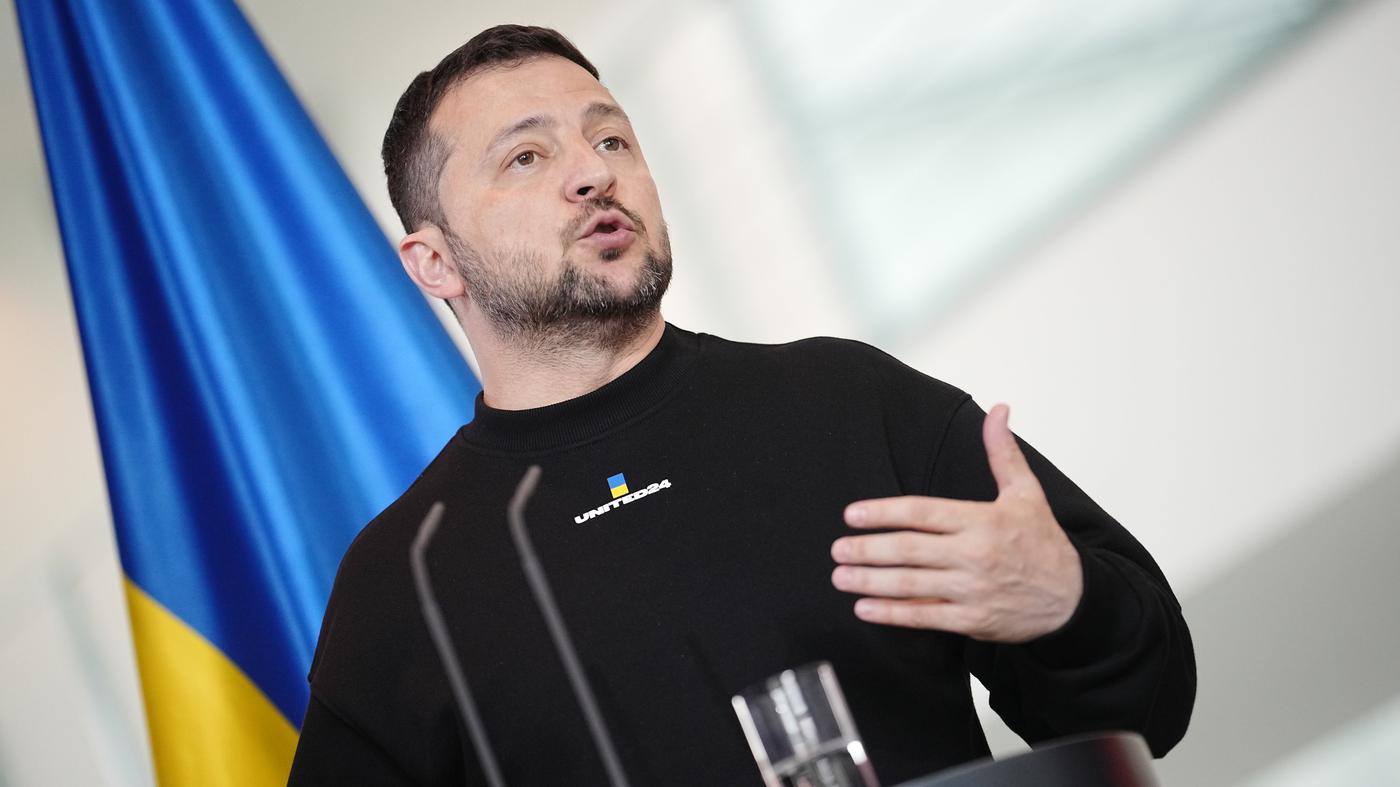
Ukrainian President Zelenskyy Visits Berlin: A High-Security Event
The Ukrainian President, Volodymyr Zelenskyy, made a significant visit to Berlin recently, which transformed the city into a high-security zone for the day. The occasion marked another chapter in the ongoing diplomatic efforts between Ukraine and Germany, especially amidst the current geopolitical climate.
Security Preparations and Measures
On the day of the visit, 2,400 police officers were deployed throughout Berlin to ensure the safe conduct of the state visit. The authorities had put in place strict security measures, which included the closure of several areas around the city from 6 AM to 10 PM. Major roads, particularly those near the Tiergarten and Bundeskanzleramt, became off-limits to the public.
The police issued a public advisory, recommending citizens to avoid the affected areas and seek alternate routes. Notably, key roads including Ebertstraße and Voßstraße were among those impacted. This stringent security approach reflects the importance of the visit and the need for comprehensive safety measures surrounding prominent figures in international politics.
Traffic and Public Transport Disruptions
With the heightened security, traffic congestion was expected in areas surrounding government buildings. Early reports from the traffic information center indicated significant delays, particularly on the John-Foster-Dulles-Allee and near Schloss Bellevue. As a result, many residents and visitors faced changes to their usual travel plans.
In response to the summit, the Berlin Transport Authority (BVG) revised its service operations, causing some U-Bahn and bus routes to be temporarily suspended. For instance, the U2 line skipped the Potsdamer Platz station altogether. Patrons were urged to check real-time updates on public transport to avoid unnecessary delays.
Local Reactions to the Security Measures
Despite the strict measures, reactions from locals were largely calm. Many residents expressed that they had grown accustomed to the frequent road closures resulting from high-profile state visits. A local woman, who was dropping her child off at nursery school, noted that such measures were nothing new for her.
Meanwhile, tourists in the area expressed curiosity regarding the heightened police presence. Many sought to capture photographs and videos of the unfolding events, particularly of police vehicles and security personnel managing the crowd.
Public Interest and Spectators
As the day progressed, onlookers gathered at various vantage points, patiently waiting to catch a glimpse of President Zelenskyy. A couple from Colombia, overwhelmed by the sudden changes, found themselves more interested in the security protocols than in their original sightseeing plans. They shared their surprise at both the road closures and the presence of the national police units.
Others, like a family from Bottrop, halted their sightseeing plans to observe the increased security detail. They were intrigued by the level of organization that goes into hosting a state visit, which highlighted the meticulous planning involved in ensuring safety and protocol.
Increased Security Protocols
The security measures were notably extensive, including the monitoring of the airspace and implementation of anti-drone technology. Police also took preventative actions against potential threats by sealing off certain manholes and utilizing explosive detection dogs at various checkpoints throughout the city. Such measures underscored the seriousness with which this event was approached by law enforcement.
Simultaneously, the Water Police patrolled the Spree River, ensuring that all potential points of access were being monitored throughout the day.
Outcome of the Visit and Continued Engagement
Following a series of high-profile meetings, including a press conference with Chancellor Friedrich Merz, President Zelenskyy’s visit was marked by discussions centered on ongoing support for Ukraine amid its current predicaments. After addressing various issues regarding international cooperation, Zelenskyy proceeded to meet with Federal President Frank-Walter Steinmeier at Schloss Bellevue.
As the day came to a close, Zelenskyy prepared to leave Berlin, concluding a pivotal visit that underscored the importance of solidarity and mutual support between nations. The event reminded many of the careful balance between public interest and national security in today’s political atmosphere.
Der ukrainische Präsident Wolodymyr Selenskyj ist in der deutschen Hauptstadt – und Berlin ist am Mittwoch von morgens bis abends wieder Hochsicherheitszone. Bundeskanzler Friedrich Merz (CDU) empfing Selenskyj am Mittag mit militärischen Ehren im Bundeskanzleramt. 2400 Polizeikräfte sind im Großeinsatz, um den Staatsbesuch abzusichern. Folgende Gebiete rund um den Tiergarten sind zwischen 6 und 22 Uhr gesperrt:
- Nördlich: Lennéstraße zwischen Kemperplatz und Ebertstraße sowie Ebertstraße bis zur Hannah-Arendt-Straße
- Östlich: Ebertstraße zwischen Hannah-Arendt-Straße und Potsdamer Platz,
Voßstraße zwischen Hausnummer 21 und Ebertstraße, Zugänge zum S- und U-Bahnhof Potsdamer Platz nördlich und südlich am Leipziger Platz, Potsdamer Platz südöstliche Gebäudeflucht bis zur Stresemannstraße - Südlich: Entlang der südlichen Gehwegseite Potsdamer Straße vom Leipziger Platz bis Potsdamer Platz 1
- Westlich: Potsdamer Platz 1 über die Potsdamer Straße hinweg zum Potsdamer Platz 2, Bellevuestraße westliche Gehwegseite bis zum Kemperplatz
Die Berliner Polizei erließ eine entsprechende Allgemeinverfügung und empfiehlt, die betroffenen Bereiche weiträumig zu umfahren.