
Electric-Eyed Microorganisms: A Revolutionary Discovery
Scientists have recently made a groundbreaking discovery regarding an electrically conductive organism capable of transporting electrical currents similarly to traditional wiring in circuits. This remarkable organism, identified as a species of bacteria, could potentially act as a power source for emerging electronic devices.
The Discovery of Candidatus Electrothrix yaqonensis
Researchers from Oregon State University have identified a new species of bacteria known as Candidatus Electrothrix yaqonensis . These organisms were found in the intertidal sediments of Yaquina Bay, located on the Oregon coast. The naming pays homage to the Yaqona tribe , whose descendants are part of the Confederated Tribes of Siletz Indians. The researchers collaborated with tribal representatives to ensure that the name acknowledged the historical and cultural significance of the area.
This new species of bacteria boasts remarkable capabilities that may revolutionize the field of bioelectronics . By serving as a natural electrical conduit, these bacteria could enable new applications in medicine, environmental monitoring, food safety, and various industrial sectors.
Natural Electrical Cables: The Role of Electrothrix Bacteria
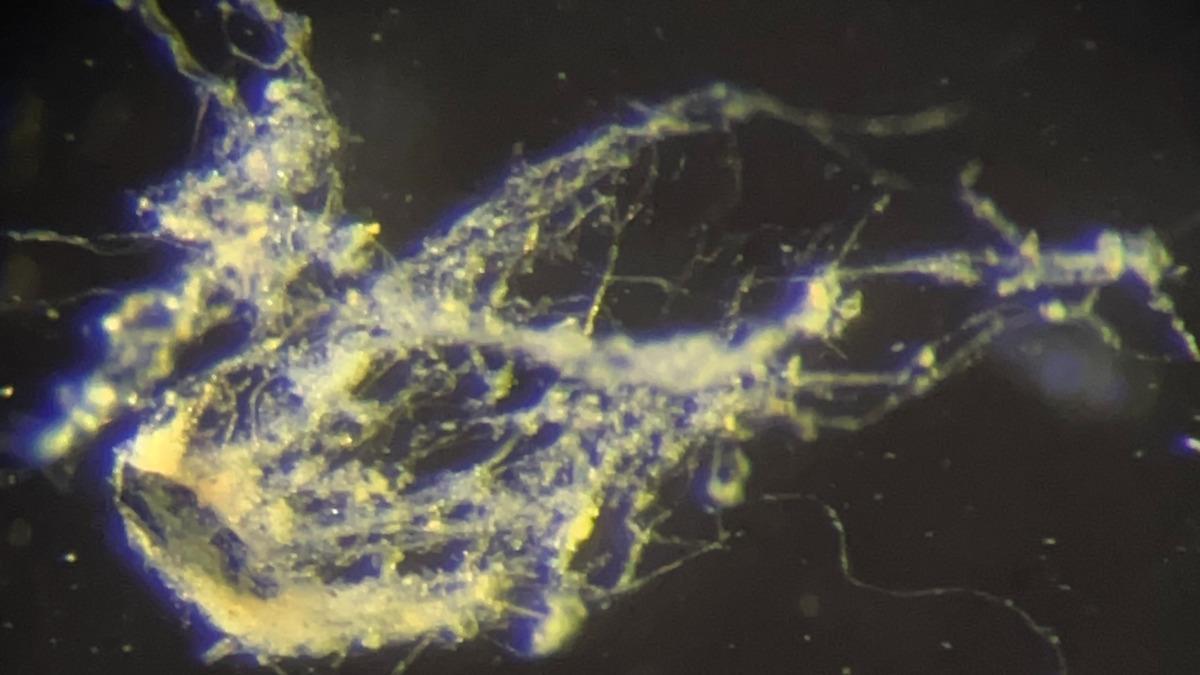
Bacteria from the Electrothrix genus, often referred to as “cable bacteria,” form multicellular filaments that can grow several centimeters in length. These filaments function like natural electrical cables , efficiently transporting electrons over significant distances through sediment layers. According to a study published in the journal Applied and Environmental Microbiology , this unique capability allows these bacteria to connect electron donors , such as sulfide, with electron acceptors like oxygen and nitrate, playing an essential role in the geo-chemical dynamics and nutrient cycling of sediment environments.
Candidatus Electrothrix yaqonensis has distinctive characteristics that set it apart from other species. It possesses unique metabolic pathways and genes that integrate elements from both the Electrothrix and Electronema genera. This suggests it may represent an early evolutionary branch within the Electrothrix diversity. The bacteria also exhibit prominent surface structures, up to three times broader than those found in other known species, containing highly conductive fibers composed of nickel-based molecules.
Bridging the Gap in Bioelectronic Applications
“This new species appears to be a bridge, an early branch within the Electrothrix clade, indicating that it could provide novel insights into how these bacteria evolved and their potential functioning in various environments ,” explained Cheng Li, a lead scientist in the study. This revelation could lead to significant advancements in the field of bioelectronics, particularly where sustainable energy sources are increasingly sought after.
The ability of these bacteria to participate in redox reactions over substantial distances makes them ideal candidates for applications in bioremediation , potentially allowing for the removal of contaminants from sediments. Moreover, according to an article published in The Debrief , the design features of their nickel-based conductive fibers could inspire innovative new materials and devices aimed at bioelectronic applications.
Expanding Scientific Knowledge and Future Applications
The implications of this discovery extend beyond mere scientific curiosity; it could mark the beginning of a new era of electric-powered bacterial devices . The expanded understanding of microbial diversity found in sedimentary environments enhances the knowledge base regarding biotechnological applications.
This electric bacterium could introduce a plethora of applications across sectors. In food safety, they could help monitor spoilage and contamination levels. In environmental management, these bacteria could assist in assessing ecosystem health through real-time data insights, while in healthcare, they could power bio-sensors for patient monitoring.
Additionally, as society increasingly turns towards sustainable technologies, the quest for renewable energy sources gains paramount importance. Exploiting microorganisms such as Candidatus Electrothrix yaqonensis wield the potential to alter current paradigms, paving the way for sustainable and efficient energy sources.
Conclusion
The exploration of electrically conducting bacteria like Candidatus Electrothrix yaqonensis not only enriches our scientific knowledge but may also provide the transformative solutions needed for future applications in various pressing fields. As researchers continue to investigate this new organism, its potential to influence environmental monitoring, food safety, and energy solutions could redefine our understanding of bioelectronics and microbial interactions within ecosystems. The possibilities are extensive, leaving a promising horizon for future discoveries that could harness the power of nature to address modern challenges.