
Understanding the Phenomenon of Google’s Nano Banana Pro
The landscape of image generation technology has evolved rapidly, moving from the Studio Ghibli-inspired creations with ChatGPT to the revolutionary Google model known as Nano Banana Pro. In a matter of months, discussions have shifted from one innovation to another, as the capabilities of this new generative model have captured the attention of creators worldwide.
The Rise of Nano Banana Pro
The Nano Banana Pro has quickly gained traction, emerging as a frontrunner in the race for AI supremacy, even outpacing OpenAI in popularity for a brief period. This burgeoning interest reflects an ongoing competition among tech giants to lead in artificial intelligence innovation. In response to these advancements, OpenAI has released ChatGPT Images, further enhancing the capabilities for users by introducing several key features.
Enhanced Editing Capabilities
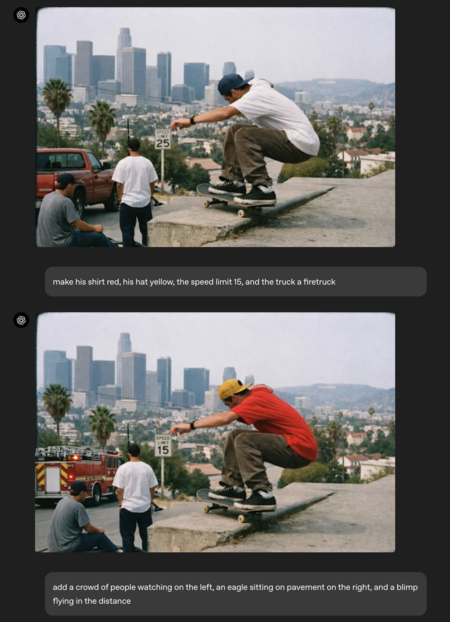
One of the significant advancements in ChatGPT Images is its ability to improve editing processes. Historically, image generation tools struggled with specific edits, often requiring the user to start from scratch when making minor adjustments. ChatGPT Images aims to overcome this limitation by allowing users to modify only certain elements, such as specific objects, lighting, or even the appearance of people. This refined editing feature paves the way for more creative freedom, enabling the combination of elements or detailed modifications without the need to recreate entire images.
Impressive Creative Transformations
ChatGPT Images also facilitates incredible creative transformations. Users can upload their photos and see them transformed in mere seconds based on simple textual prompts. This feature isn’t entirely new; it’s reminiscent of one of the stellar capabilities of the Nano Banana Pro, which has proven popular among those who have tested it.
Example Transformations
For instance, users can request transformations like:
- “Create an image of this man, but in Time Square, New York, with realistic winter 2025 attire.”
- “Place this individual in a Japanese cityscape during a rainy night, featuring neon lights and a cyberpunk aesthetic.”
These examples illustrate how specific prompts can lead to imaginative and visually convincing creations.
Precision and UX Improvements
OpenAI emphasizes that with the new ChatGPT model, users should expect better accuracy when providing detailed instructions. This enhancement addresses common frustrations faced by users when the generated images do not align with their requests. The model is designed to adhere closely to user specifications, ensuring that generated content is precise and relevant.
Moreover, the text generation capabilities within images have seen improvements, making it easier to create promotional materials, posters, and more where visual message integration is crucial.
Accessibility of ChatGPT Images
OpenAI has rolled out the new imaging model to all users, including those with basic accounts. If you’re using the mobile app, you may already have this feature activated. Upon opening the app, a prompt will guide you to the new “Images” section, where generating images and reviewing past creations becomes seamless.
Conclusion
At the forefront of AI innovation, the emergence of tools like Google’s Nano Banana Pro and OpenAI’s ChatGPT Images marks a significant leap in how we create and interact with visual content. The continued enhancements in editing capabilities, precision, and user experience underline the exciting potential of these technologies in revolutionizing the creative landscape.