
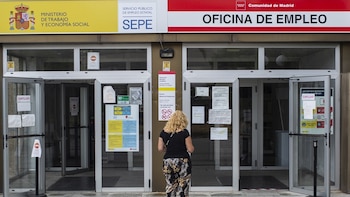
Current Employment Trends in Spain: An Overview
In August, unemployment has increased by 21,905 individuals, bringing the total to 2,426,511. This figure marks the lowest level for this month since 2007. Simultaneously, the Social Security system has seen a loss of approximately 199,300 affiliates (a decrease of 0.91%) compared to the previous month, now accounting for 21.6 million total affiliates.
The rise in the number of unemployed individuals registered with the SEPE highlights a monthly increase of 0.91% compared to July. Nevertheless, on an annual basis, the trend is more optimistic—there has been a decline of 145,610 people since last year (a 5.66% improvement). These statistics paint a complex picture of the labor market, showing contrasting dynamics: while unemployment rises month-over-month, there’s a clear decline over the longer term.
Sector-Based Employment Analysis
August’s data reveal declines in unemployment within specific sectors. Notably, the Agricultural sector saw a drop of 1,849 people (-2.36%), and the Unprofitted Collective reduced its numbers by 3,458 individuals (-1.53%). Conversely, increases were reported in Construction (+2,745; +1.55%), Industry (+2,775; +1.49%), and particularly in Services, where unemployment rose by an alarming 21,692 individuals (+1.25%). The Services sector is primarily responsible for the monthly uptick in unemployment figures.
An analysis of unemployment by gender indicates a notable monthly rise in female unemployment, which increased by 11,748 women (0.80%) to reach 1,471,731 women. Meanwhile, male unemployment rose by 10,157 (1.08%) to a total of 954,780. Compared to August 2024, male unemployment fell by 66,683 individuals (-6.53%), while female unemployment dropped by 78,927 (-5.09%).
Among the youth, specifically individuals under 25 years old, there was a slight uptick in unemployment, increasing by 3,485 people (2.12%). However, the total youth unemployment remains below 170,000, marking 52 consecutive months of annual declines in this demographic.
Regional Insights into Unemployment
In August, there were also regional variances in registered unemployment figures. Five regions recorded declines in unemployment numbers. The largest drops were recorded in Castilla-La Mancha (−1,047), the Canary Islands (−873), and the Navarra Foral Community (−150). In contrast, Catalonia saw the most significant increase, with an increase of 7,942, followed by the Community of Madrid (+4,214) and the Basque Country (+4,178).
Hiring trends in August were robust, with a total of 1,039,962 contracts registered. Among these, 385,856 were indefinite contracts, accounting for 37.10% of the total—a positive indicator of job security.
Social Security and Employment Benefits
The average Social Security affiliation currently stands at 21,666,203, representing a year-on-year increase of 476,801 occupied jobs. However, this figure reflects a drop of 199,300 affiliates compared to last July (−0.91%), representing a pattern consistent with past August statistics.
A closer look at the demographics reveals that employment among those under 30 and those aged 55 and above has surged. Following the labor reform, youth employment has increased by 25%, while employment among older workers has risen by 23.3%. For age groups 25-29 and under 24, the improvement in contribution bases has exceeded 30% since 2019.
Self-employed individuals have also seen growth; around 3,405,711 are now registered as autonomous workers, an increase of 34,361 from the previous year. Most sectors within the general regime have seen a spike in their numbers over the past twelve months. Notable sectors include Transport and Storage (+8.1%), Artistic, Recreational, and Entertainment Activities (+4.2%), and Agriculture and Construction (+4%).
In terms of benefits, the total number of beneficiaries at the end of July reached 1,852,428. The Unemployment Protection System coverage rate stood at a remarkable 82.39% during July, a notable metric that the Ministry has identified as one of the highest in recorded history, except for the pandemic period. The average monthly expense per beneficiary was €1,315.4, reflecting an increase of €252.6 (23.8%) compared to July 2024.
The Spanish labor market exhibits complex trends, with increased monthly unemployment juxtaposed against an overall decline in the annual context. As sectors adjust to these changes, the broader economic landscape continues to evolve, demanding keen observation and strategic actions from policymakers.