
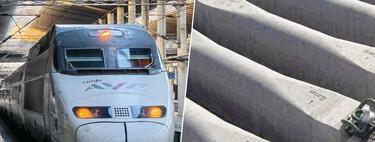
The Ambitious Madrid-Barcelona High-Speed Train Project
Spain is poised to revolutionize rail travel with the ambitious plan to connect Madrid and Barcelona via a high-speed train capable of reaching 350 km/h. As the current journey times have become increasingly unpredictable, this project aims to significantly enhance punctuality and efficiency, making train travel between these two major cities more appealing.
A Major Leap Forward: Achieving 350 km/h
In November 2025, Óscar Puente, the Minister of Transport, introduced this transformative project, which aims to reduce travel time from 182 minutes to under 120 minutes. This adjustment is crucial for commuters and tourists alike who rely on timely transport between these urban centers.
Infrastructure Improvements
To achieve this ambitious goal, two key interventions are being proposed. Firstly, the construction of two additional stations—a new station in Parla, near Madrid, and another in El Prat de Llobregat, close to Barcelona—will help to alleviate congestion. These new stations will provide alternative entry and exit points, streamlining traffic flow.
Secondly, improvements are being made to the existing infrastructure, beginning with the installation of advanced air traverses. The Ministry of Transport has confirmed a significant contract worth €112 million to supply these components, which are essential for enabling the trains to reach their top speeds.
Installation Details
The initial installation of air traverses will occur in four sections: Mejorada del Campo-Brihuega, Brihuega-Alcolea, Alcolea-Ariza, and Ariza-Calatayud. Each section will feature a substantial number of new units to ensure optimal performance and safety.
Understanding Aerodynamics and Efficiency
The technical aspects of the project are equally important. When trains exceed 300 km/h, aerodynamic forces play a significant role in their operation. Increased turbulence can generate what’s known as “ballast flight,” where stones on the track become dislodged, leading to vibrations that can impair the train’s performance.
To combat this, the newly designed air traverses will decrease the aerodynamic load on the trains by approximately 21%, managing to ensure a smoother ride and improving speed stability.
Challenges Ahead
Despite these developments, the Madrid-Barcelona line has faced challenges, particularly with vibrations damaging Renfe’s Avrils. Following an incident in Córdoba, temporary speed restrictions were implemented, making it crucial for the railway system to undergo an extensive review.
The implications of these setbacks are significant; estimates suggest that if these conditions persist, up to half a million passengers could shift back to aerial bridges, thereby jeopardizing the projected efficiency of the service.
Conclusion
As Spain moves forward with this high-speed train initiative, the emphasis on infrastructure upgrades and aerodynamic efficiency will be critical. Successful implementation will not only enhance connectivity between Madrid and Barcelona but also solidify Spain’s position as a leader in high-speed rail travel.