
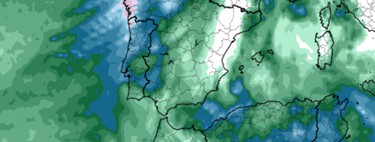
Spain Enters the Scandinavian Blockade: A Shift in Weather Patterns
Recent developments in Scandinavia are set to profoundly affect weather patterns across Southern Europe, particularly in Spain. A significant anticyclonic blockade over Nordic regions is channeling polar air toward the south, leading to a transformative shift that will be felt starting December 23. This phenomenon, known as “Scandinavian blocking,” interrupts the typical west-to-east winds, reshaping storm movements and ushering in a wave of cold weather for Spain and nearby areas.
Understanding Atmospheric Blocking
Atmospheric blocking occurs when the regular flow of winds is altered, causing a wavier jet stream that disrupts the usual progression of storms. In Europe, this phenomenon is characterized by a high-pressure mass that can reroute storms and promote colder conditions in mid-latitude regions. This particular situation signifies a substantial decrease in temperatures and an increased likelihood of adverse weather conditions for Spain.
Forecast for Spain: A Complicated Week Ahead
In the wake of this Scandinavian blockade, Spain and the Balearic Islands are bracing for a challenging week, with forecasts indicating potential snow at elevations nearing 700 meters and rainfall warning alerts across the northwest. Such conditions can lead to hazardous situations on roads, especially during the busy Christmas season when travel peaks.
Impacts on Travel and Daily Life
This winter’s cold spell is poised to bring about significant disruptions. As temperatures plummet, the risk of accidents on roads and mountain passes increases dramatically. The combination of snow and ice could create treacherous conditions, prompting warnings from meteorological authorities. It’s important to note that severe weather does not require an extreme event like the “Filomena” snowstorm to cause considerable issues; even moderate weather fluctuations can lead to heightened dangers.
Wider Implications of Cold Weather
The implications of this cold wave extend beyond immediate travel concerns. A pattern of low maximum temperatures can lead to surges in electricity and heating demand, resulting in potential energy shortages. Agriculture could also suffer significant setbacks, with frost threatening crops just as a flu epidemic continues to circulate, exacerbating public health concerns.
The Impact Debate: Christmas in the Cold
Traditionally, many parts of Spain anticipate a warm Christmas; however, this year marks a departure from that pattern. The country is expected to experience significantly colder weather, raising questions about the scale of potential disruptions. Stakeholders must consider how extensive these impacts will be and plan accordingly to ensure public safety and continuity of services.
As we approach December 23, staying informed and prepared for rapidly changing weather conditions will be essential for residents and travelers alike. The Scandinavian blockade serves as a reminder of how interconnected global weather systems can directly affect everyday life in unexpected ways.