
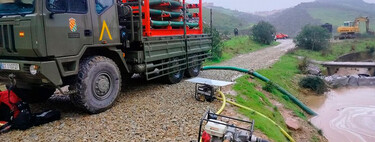
The Evacuation of Grazalema: A Terrifying Reality
“The worst thing has been the explosions; we thought the houses were going to collapse.” This chilling statement from María José Díaz of Diario Sur encapsulates the fear residents of Grazalema, a picturesque town in Cádiz, faced during a series of severe weather events. The community was recently forced to evacuate, highlighting not just local issues but broader concerns that Spain is ill-prepared for emerging environmental challenges.
Unprecedented Rainfall
Grazalema is no stranger to rain, but the recent weather has surpassed historical precedents. Over the last few weeks, the region has accumulated over 2,000 liters of rain per square meter, with nearly 600 liters falling in a single day. This extreme weather phenomenon transformed the town’s streets into raging rivers, and water began seeping through the floors, baseboards, and electrical outlets of homes, causing what residents described as “explosions.”
Understanding Hydroseisms
The unsettling noises that unnerved the residents were quickly identified as hydroseisms—cracks and creaking sounds resulting from the pressure of excess water in the ground. Grazalema is situated in a karst limestone environment, which means it harbors a network of microcavities and conduits beneath the surface. When the water table rises rapidly, these geological features can become overwhelmed, leading to the unsettling ground movements experienced by its residents.
The Decision to Evacuate
The decision to evacuate was driven by both technical and psychological considerations. Authorities aimed to assess the condition of the water-stressed aquifer while acknowledging the mental strain on the populace. Residents reported that the atmosphere had shifted to a state of dread, turning their daily lives into a nightmare.
Learning from the Crisis
Experts like González Alemán emphasize that while it is premature to definitively link these events to climate change, this crisis serves as a severe stress test for the water infrastructure in Andalusia and Spain at large. The increasing frequency of such extreme weather events demonstrates the urgent need for urban reconversion strategies.
A Call for Infrastructure Overhaul
The flooding crisis in Grazalema is not an isolated incident; it reflects potential future challenges for many towns across the country. It’s not just about addressing the needs of communities vulnerable to flooding; it’s about reevaluating the resilience of the entire urban infrastructure in response to climate change.
As the dialogue around climate resilience intensifies, it’s crucial for Spaniards to question whether their systems can adapt in time. The realities of weather-induced chaos may extend beyond Grazalema, involving coastal regions and urban areas previously thought to be safe.
Conclusion
The evacuation of Grazalema serves as a stark reminder of the vulnerability inherent in Spain’s urban planning and water management systems. As communities like Grazalema face unpredictable weather patterns, a collective responsibility emerges—to rethink and reshape how we approach our built environments in the face of climatic uncertainty.
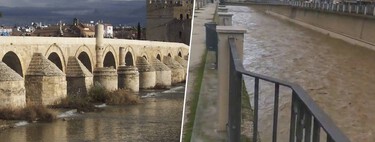
Image Credit: Heparin1985 via Wikipedia
In the face of escalating climate challenges, Spain must act decisively to ensure the safety and resilience of its communities. Continuous reflection and action will be essential to navigate the complexities of today’s world successfully.