
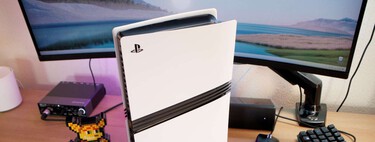
Sony’s Strategic Shift: A Move Away from PC
Sony has announced a significant change in its approach to game distribution, deciding against porting high-profile titles like Ghost of Yotei to PC. This move ends a six-year era of its multiplatform strategy, generating contrasting reactions in an industry now largely defined by its powerhouse players. While Sony pulls back, Capcom flourishes, with 50% of its sales from PC as it engages more deeply with the platform.
The Breakup with PC
The abrupt decision to halt PC ports was confirmed by Bloomberg, stating that Sony has canceled plans for several major single-player titles that were anticipated to reach a broader audience. This withdrawal follows a six-year experiment that began in 2020 with Horizon Zero Dawn. Titles like Ghost of Yotei and the Housemarque project Saro will remain exclusive to PlayStation, marking a return to focusing primarily on console sales.
A Partial Withdrawal
Despite this strategic pivot, not all hope is lost for PC gamers. Reports indicate that titles designed as games-as-a-service, such as Marathon and Marvel Tokon, will still enjoy multi-platform releases. Upcoming third-party games like Death Stranding 2: On the Beach will also find their way to PC, indicating a nuanced approach to their overall strategy.
Release Rates and Market Performance
Sony’s release rate on Steam had never been aggressive, with games coming over one to three years post-console launch. This delay posed challenges as they competed with discounted earlier versions and a flood of new PC releases. Notably, while Ghost of Tsushima peaked at 77,000 concurrent players, Horizon Forbidden West and The Last of Us Part II Remastered fell short, highlighting the potential pitfalls in Sony’s recent strategy.
Reflecting on Recent Decisions
This sudden shift brings several of Sony’s recent decisions into question, including its acquisition of Nixxes Software, aimed at enhancing its PC port capabilities. The company’s recent closure of Bluepoint Games, responsible for renowned remakes like Demon’s Souls, also raises concerns about the future of its development strategies as the industry faces heightened costs and challenges.
Capcom’s Success on PC
In stark contrast, Capcom’s sales figures tell a different story. Capcom recently highlighted that PC sales account for half of its total revenue, a trend projected to continue upward. This robust connection to the PC market illustrates how differing strategies shape the two companies’ futures.
The Essential Hardware Dilemma
One crucial takeaway from Sony’s pivot is the potential devaluation of its console hardware. While new revenue streams from PC are undeniably welcome, they lack the ability to foster loyalty within the PlayStation ecosystem. The growing capability of PC hardware, coupled with the design of future consoles, raises essential questions about the necessity of owning dedicated gaming hardware.
Business Models: Different Paths Forward
Capcom does not carry the burden of hardware sales, enabling it to optimize distribution across multiple platforms. This openness fosters a far more lucrative engagement with PC markets, while Sony continues focusing on its complex ecosystem, which requires careful balancing between software sales and hardware loyalty.
The Competitive Landscape: What’s Next?
With imminent developments from Microsoft and a shift towards accessible gaming experiences, the traditional console model is increasingly under scrutiny. If Sony aims to rival industry leaders like Nintendo, emphasizing exclusivity and quality gameplay will be crucial. As we move towards potential announcements regarding the PlayStation 6, the question remains: will exclusivity be enough to make it essential in a rapidly evolving market?