
From jingles to dynamic soundscapes
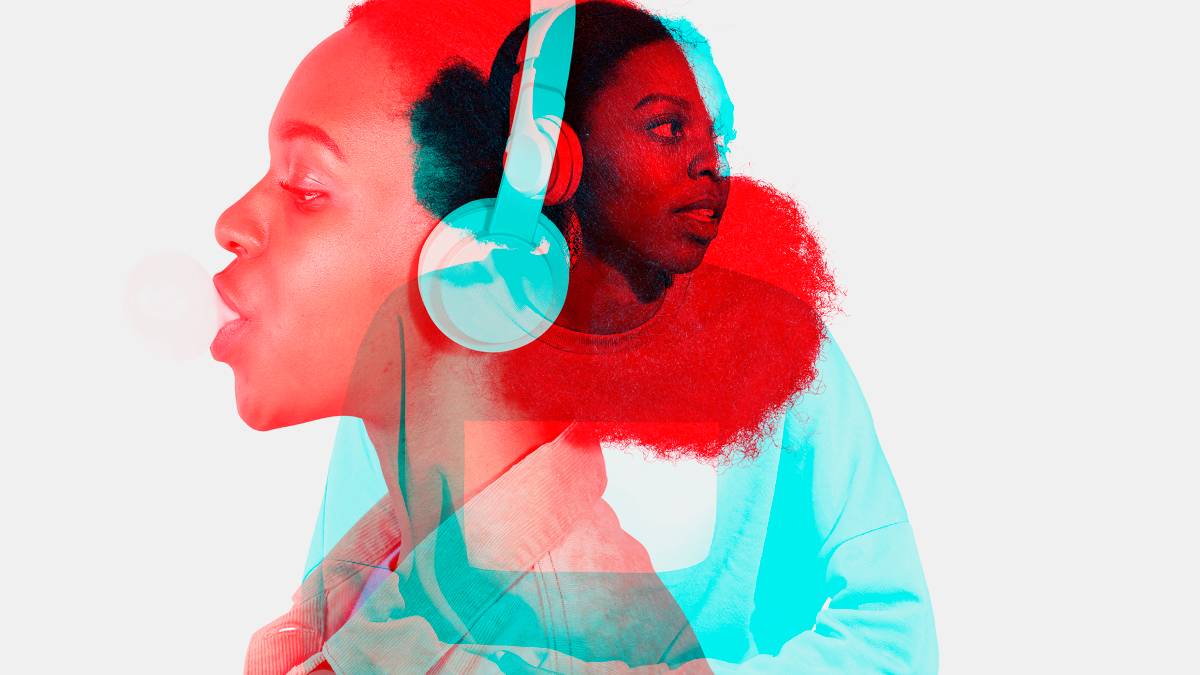
Traditional sonic logos were designed once and repeated everywhere: in TV ads, radio spots, or product intros. Their effectiveness relied on consistency and recognition. In the AI era, this model is expanding. Brands are no longer limited to a single melody. Instead, they can create families of sounds that adapt to context – faster beats in digital ads, calming tones in wellness apps, or playful sound cues in social media campaigns.
This flexibility allows companies to remain recognizable while keeping audio experiences fresh. Just as visual branding evolved from static logos to flexible design systems, sonic branding is now entering a dynamic phase.
Personalization powered by AI
AI-driven tools can analyze enormous amounts of user data – demographics, browsing behavior, even emotional sentiment – and recommend sound that best fits the situation. Imagine two users opening the same banking app: one may hear a reassuring, calm soundscape, while another hears a modern, upbeat tune. Both audio identities come from the same brand but adapt to individual needs.
For marketers, this personalization is a major advantage. Studies show that tailored audio increases engagement and memorability. Just as personalized email marketing outperforms generic campaigns, personalized sound deepens the bond between consumer and brand.
The legal and creative challenge
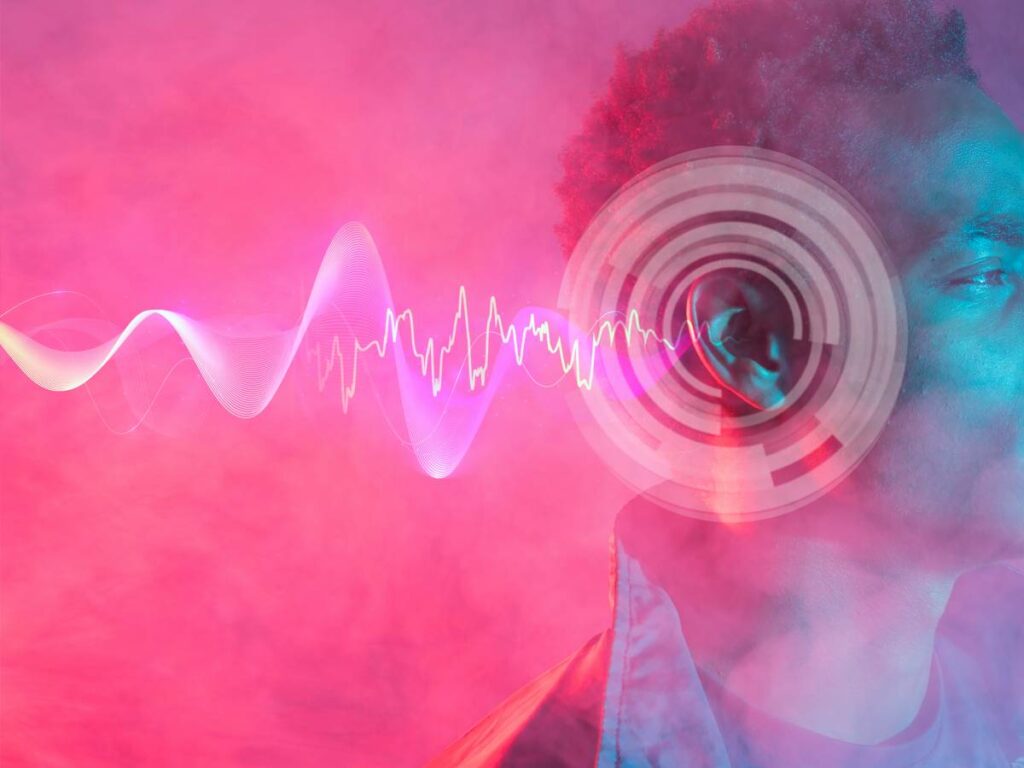
With AI-generated audio, copyright and originality become complex. Who owns the rights to a melody created by machine learning? How can a brand ensure exclusivity and avoid accidental plagiarism? These questions make legal clarity essential.
This is where Direct Music Licensing provides value. Instead of negotiating with multiple rights holders, brands can secure a single agreement that covers both composition and recording rights. By working with platforms like Closer Music, companies access pre-cleared tracks that can be customized for AI-driven personalization without legal risks.
Case studies and future trends
- Retail: AI-generated playlists adapt to customer flow, increasing dwell time in stores.
- Healthcare apps: personalized soundscapes help reduce stress, matching audio therapy to user mood.
- Automotive: smart cars already experiment with adaptive audio that shifts with driving style or road conditions.
Looking ahead, sonic branding will be less about one fixed sound and more about adaptive ecosystems. Brands that embrace AI-powered audio will not only be remembered but also experienced as living, responsive companions in consumers’ daily lives.
Conclusion
The age of static jingles is giving way to a more sophisticated approach: sonic branding powered by artificial intelligence. Adaptive, personalized sound identities help brands connect with audiences on a deeper level, but they also demand careful legal and creative planning. By combining AI technology with Direct Music Licensing, companies can innovate confidently, using music that is flexible, safe, and emotionally powerful.