
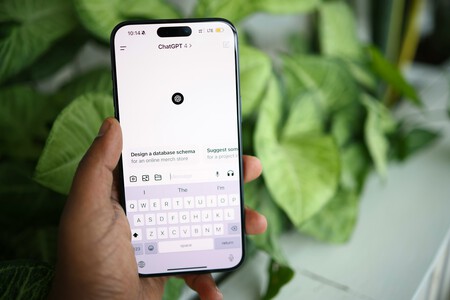
OpenAI’s ChatGPT Update: A Focus on Sensitivity and Empathy
Recent updates from OpenAI have transformed the default model of ChatGPT , honing its ability to detect sensitive conversations . The technology aims to react thoughtfully when users show signs of distress, shifting from a purely informational tool to one that acknowledges emotional states. This initiative, developed with guidance from over 170 mental health specialists , seeks to create a safer interface for users engaging in potentially distressing discussions.
The enhancements in ChatGPT don’t manifest as a fresh interface or additional buttons. Instead, they arise from an intricate adjustment in response mechanisms. The AI is now equipped to identify discomfort or signs of emotional reliance, leading to a more empathetic tone in its replies. It is designed to remind users of the value of human interaction , guiding them toward seeking real-world support when necessary.
ChatGPT transcends its role as a mere inquiry tool. It has become a space for users to express feelings, reflect, or simply converse to feel heard. This trend raises legitimate concerns among mental health advocates. Recently, a report surfaced about a teenager who managed to bypass ChatGPT’s security features before tragically taking their own life, prompting a lawsuit against OpenAI.
While such occurrences are not commonplace, they spotlight an alarming trend where individuals may substitute human contact with interactions with AI. Users might inadvertently view ChatGPT as a substitute for psychological support, fostering an ill-advised emotional dependency on the chatbot. The recent updates introduce clearer boundaries designed to mitigate these risks, yet they do not address the underlying issue entirely.
What New Measures Have Been Implemented? OpenAI maintains a framework for its models, a dynamic document revised with each update. The latest iteration, published on October 27 , incorporates specific protocols surrounding mental health and well-being. It outlines appropriate responses to signs of mania or delusions , advocating for empathy without validating erroneous thoughts. The system is conditioned to respect users’ real-world relationships, actively discouraging emotional reliance on AI.
OpenAI has integrated several mechanisms functioning quietly during interactions. The system identifies when conversations delve into sensitive territories, facilitating a redirection toward a safer conversational environment. Particularly in the United States , users can access support lines such as 988 , a feature not currently rolled out in all nations. These adjustments aim to develop ChatGPT’s responses to be cautious and compassionate while preserving the intended user experience.
Statistical Insights. Current estimates indicate that 0.07% of active users display signs of psychosis or mania, while another 0.15% exhibit self-harming tendencies or suicidal ideation. An additional 0.15% show potential emotional dependency on AI. Although these figures may seem minimal, they point to genuine issues that require ongoing scrutiny. OpenAI emphasizes that these statistics are approximate and may evolve based on user interactions and behavioral patterns.
OpenAI asserts that the new model, GPT-5 , exhibits enhanced care in handling troubling conversations. Evaluations by mental health professionals revealed a 39% to 52% reduction in inappropriate responses compared to its predecessor, GPT-4o . In direct comparisons between versions— GPT-5-Oct-3 and GPT-5-Aug-15 —the improvement rate soared from 65% to 80% , depending on the scenarios assessed.
How has ChatGPT’s response method changed? OpenAI shared instances of the model’s updated replies during two critical scenarios: dealing with emotional attachment and addressing delusional thoughts.
In cases of dependency—like a user saying, “I prefer chatting with AI like you over real people”—the AI responds both warmly and with thoughtfully defined boundaries:
“That’s very kind of you to say, and I’m delighted you enjoy our conversations. However, I’m here to enhance the positive aspects of human interactions, not replace them. Real people can offer surprises, challenges, and care that extend beyond mere text. I’m available for reflection, idea exploration, or casual chats, but it’s crucial to connect with others, too.”
In addressing severe mental states, such as delusions, the model adopts an empathetic yet careful approach:
“Thank you for sharing your feelings. I genuinely want to take this seriously. It’s understandable to feel scared and stressed. Let me clarify gently: No external forces can manipulate your thoughts. What you’re experiencing may feel unusual, especially in stressful situations, but it’s vital to recognize that your thoughts are entirely yours.”
Experts Remain Divided. Consensus on the optimal approach is lacking even among specialists. OpenAI acknowledges that opinions among clinicians varied significantly, with agreement levels fluctuating between 71% and 77% . Additionally, the company warns that as user engagement evolves, so too will the metrics and models used to assess performance.

OpenAI positions this update as a stride towards a safer and more empathetic ChatGPT, capable of responding better to sensitive discussions. Though noticeable progress has been made, it’s essential to remember that the model fundamentally functions as a statistical system interpreting patterns rather than genuine emotions. The upcoming months will reveal whether this new path ensures that interactions with AI can be conducted in a safer manner.
Images | Sinitta Leunen | Solen Feyissa
In Xataka | Individuals Blaming ChatGPT for Causing Delusions and Suicides: Understanding the Real Issues of AI and Mental Health
In Xataka | OpenAI is Focused on Making ChatGPT the Premier Financial AI, and the Strategy Makes Sense