
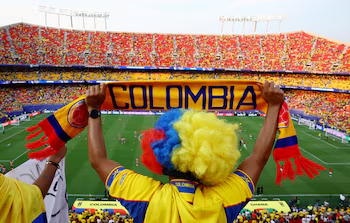
The Rise of Sports Tourism in Colombia: Soccer Fans Drive Economic Growth
Soccer Fans’ Spending Habits
Traveling with a purpose has taken on new meaning, particularly for soccer fans. A recent study indicates that these fans spend an impressive USD $1,476 per trip, which is 46% more than travelers attending other sports events. This shift in consumer behavior is reshaping the landscape of sports tourism, especially in countries like Colombia, where soccer reigns supreme.
Transformative Travel Trends
Gone are the days when attending a match was merely about the game itself. Modern soccer fans are increasingly blending their travel experiences. They often extend their trips to explore cultural landmarks, indulge in local cuisines, and engage in various recreational activities. This trend not only enhances the fan experience but also drives economic growth across multiple sectors within Colombia’s tourism industry.
Economic Impact of Soccer Tourism
The increase in spending among fans opens doors for local businesses and tourism services, including transportation, accommodation, and entertainment. According to the Priority Pass study, soccer stands out as a leading discipline that mobilizes travelers, thereby creating significant economic opportunities. For Colombia, this is a golden chance to capitalize on its rich cultural heritage and beautiful landscapes, positioning itself as a prime destination for sports tourism.
A Shift in Generational Preferences
The gap between traditional and contemporary travel habits is especially pronounced among Millennials and Generation Z. Almost half of these younger fans are now using trips to soccer events as a springboard to explore new cities. Cultural tours and gastronomic experiences have become vital components of their itineraries, highlighting a growing desire for well-rounded travel experiences beyond just the sporting event.
Projections for Growth in Sports Tourism
International forecasts from Fortune Business Insights estimate that sports tourism will grow from USD 707 billion in 2025 to a staggering USD 2 trillion by 2034. For Colombia, this surge represents a significant increase in potential income related to travel, accommodation, and entertainment surrounding sports events.
The Role of Football in Tourism
Despite evolving traveler habits, football remains the primary catalyst for attracting tourists and stimulating high-value spending. The sport continues to garner immense passion and commitment, ensuring that trips tied to soccer benefit various sectors of the economy. From local eateries to hotels and guided tours, the ripple effects of soccer tourism are far-reaching.
Adapting to New Expectations
As the CEO of Collinson International, Christopher Evans, highlighted, fan motivations have become increasingly complex. Today, travel is about creating unforgettable memories and emotional connections. To thrive, tourism and banking sectors must adapt by offering tailored experiences that meet these new expectations. This could involve services that follow the traveler from start to finish, enhancing customer relationships throughout the journey.
Conclusion
Data from Migración Colombia supports these investment trends, projecting over 2.48 million international movements towards tournament host countries in the recent past, representing an 11% increase compared to 2025. Consequently, the emphasis on soccer-driven travel not only enriches the fan experience but also solidifies Colombia’s position as a burgeoning hub for sports tourism. As brands, airports, and tour companies evolve to meet these demands, one thing is certain: passion for soccer is a game changer for the Colombian economy.