
The Changing Landscape of Dining Alone
Eating alone outside the home presents its unique challenges. After many travels without companions, I’ve developed a keen sense of which establishments cater to solo diners and which don’t. Whether it’s savoring a small snack at a café or refueling at a bustling fast-food joint, the experience can vary widely.
Finding the Ideal Spot
I want to eat my burger alone. There’s a certain logic in seeking out a small table or a little corner to enjoy a meal privately. Eating possesses an intimate quality that can feel shameful, primarily driven by the concern of “not wanting to bother” others. While any restaurant might theoretically accommodate a lone diner, the practicalities can differ. Places may be reluctant to offer a table for two or four when it’s only occupied by one. On the flip side, such spots allow for leisurely enjoyment of one’s meal; in countries like China, dedicated tables for solo diners have found immense popularity.
A Shift in Dining Etiquette
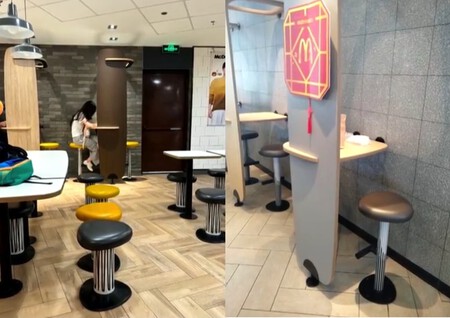
The trend toward accommodating solitary diners is not entirely new, and it certainly doesn’t require seating configurations like bike-shaped chairs or minimalistic tables. Instead, high tables equipped with screens create a veneer of privacy for those dining alone. Social media platforms such as Xiaohongshu and Weibo capture this phenomenon extensively, illustrating how diners find comfort in these setups.
The McDonald’s screens. Kankan news
What These Screens Hide
These screens offer a sanctuary for solo diners, allowing them to avoid awkward interactions. In a society where meeting acquaintances can lead to obligatory social niceties, sitting alone at one of these tables fosters a sense of anonymity. This is more than just convenience; it aligns with insights from psychology professionals, highlighting the risks associated with direct social interactions compared to more controlled digital conversations.
Social Anxiety Among Young Adults
Young adults in China seem to struggle significantly with face-to-face encounters. A survey revealed that 64% of respondents aged 18 to 35 feel lost in offline interactions. These anxieties are more pronounced among those born between the 1980s and 2000s, with over 80% reporting discomfort in social situations.
Broader Implications of Living Alone
As highlighted by Time Magazine, this trend of dining alone reflects a larger shift in societal dynamics. Chinese society has transitioned from close-knit family living arrangements to younger generations leading solitary lives in urban areas. This shift has sparked phenomena like the app “Are You Dead?”—which allows users to check in on one another, reflecting an underlying societal concern about isolation.
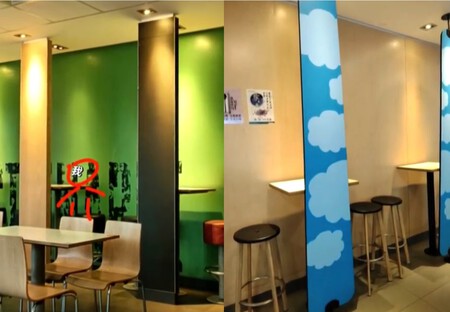
The McDonald’s screens, part two. Kankan news
The Economics of Solitude
The rise of single-person households in China has soared beyond 100 million, with projections indicating a rise to 150-200 million by 2030. This surge is reshaping the economy; research indicates that the market surrounding social anxiety is already worth approximately $172 billion, with businesses innovating to cater to lonely consumers. Innovations like “Do Not Disturb” signs and entirely self-service environments illustrate a shift in consumer preferences towards privacy and ease.
Thus, whether enjoying a quick meal at McDonald’s or finding comfort in independent dining setups, the dynamics of eating alone are evolving, revealing deeper layers of social interaction in modern society.