
“MAINTAINING THE PAST HERE”
In an age where modernization often overshadows tradition, preserving the essence of a culture is becoming increasingly critical. The story of **Altun**, who has lived in **Germany** for many years, serves as a compelling example of this endeavor. He encapsulates the **nostalgic sentiment** of maintaining and cherishing the past through a unique collection of memorabilia that tells a story of an era long gone.
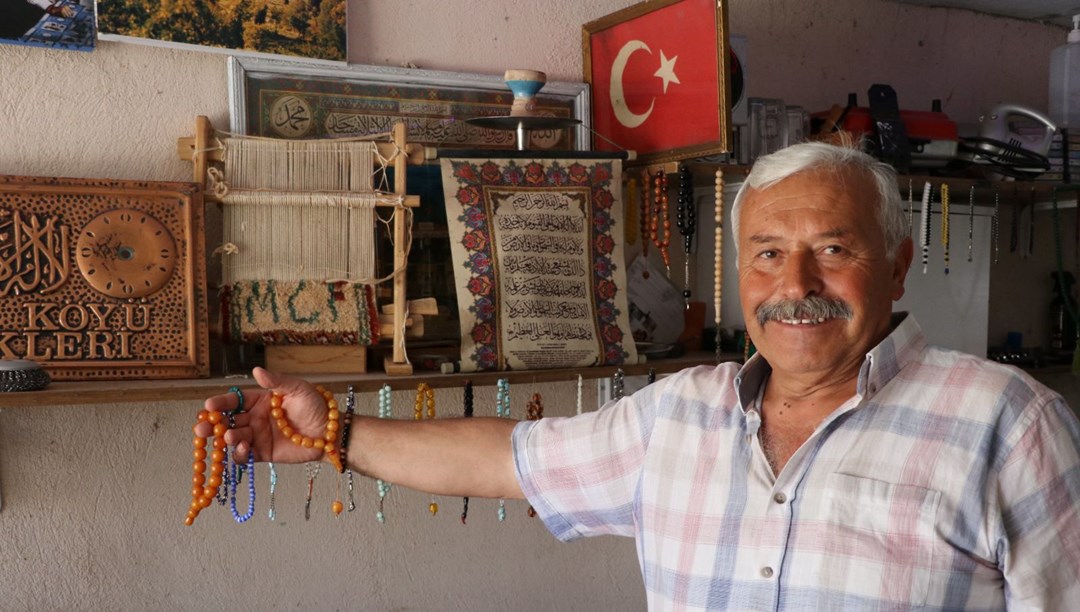
“Müslüm Gürses has 150 original cassettes. I have approximately 200 prayer beads,” Altun reveals, showcasing his notable collection. His exhibition goes beyond mere collectibles; it embodies a vibrant connection to his roots and evokes curiosity and interest from visitors. The eclectic assortment of items includes artifacts gathered from various countries, which reflect not only personal significance but also cultural heritage.
The Importance of Cultural Preservation
In a rapidly changing world, the act of **cultural preservation** is essential. Altun mentions, “In the village, having such an environment attracts people’s attention.” Through his efforts, he aims to create a space where younger generations and tourists can connect with the past. **Cultural heritage** serves as a bridge linking individuals to their history and identity, reinforcing a **sense of belonging**.
By transporting the items he has collected over **40 years** to his village, Altun not only **represents** his personal journey but also invites others to understand the richness of his culture. His home provides a welcoming atmosphere, as he states, “Here, tea and coffee are free.” This open-door policy encourages visitors to engage and interact, fostering community connections.
Creating a Joyful Atmosphere
Altun’s philosophy extends beyond just showcasing items; it focuses on **creating joy**. He expresses a warm-hearted sentiment: “I tell visitors, ‘Come joyfully. Leave your troubles and sadness in your car.’” This dedication to uplifting spirits resonates deeply with those who visit. It becomes more than a mere exhibition of objects; it transforms into an experience that fosters **happiness** and **reflective thought**.
People often question the necessity of such endeavors, especially in a rural setting. Yet, Altun remains unfazed by their skepticism. He addresses these concerns head-on, stating, “Some say, ‘What was the need for this in the countryside?’” His response reflects a profound commitment to preserving his cultural identity, which adds value to both the local community and visitors alike.
An Archive of Memories
Altun’s collection is not merely accumulation; it serves as an **archive of memories**. He explains, “Whatever I find in ruined places, anything ancient, I bring here.” These artifacts breathe life into tales of the past, offering insights into the traditions and lifestyles of earlier generations. Each item has its own narrative, enriching the overall experience for anyone who steps into this **curated space**.
By collecting and displaying these objects, Altun ensures that they do not fade into obscurity. His effort to gather **historical treasures** fosters an appreciation for the importance of maintaining heritage, particularly for younger audiences who may be disconnected from their roots.
Emotional Connection Through Artifacts
Emotions often run high when individuals engage with artifacts from the past. Altun shares the joy that comes from seeing people connect with the items around them. “Seeing people happy here gives me pleasure,” he says. **Emotional ties** to physical objects can evoke memories and feelings that resonate deeply within individuals, serving as a reminder of their stories and experiences.
This emotional connection extends to the village itself, where Altun’s initiatives bring life to an otherwise quiet place. The blend of **community and nostalgia** proves to be a powerful motivator, fostering a sense of unity among visitors and residents alike.
The Future of Cultural Heritage
As society continues to advance technologically, the risk of losing **cultural heritage** becomes imminent. However, Altun’s story exemplifies that through dedication and passion, it is indeed possible to combat this trend. His desire to maintain the past serves as a **blueprint** for others who aim to safeguard their heritage.
Altun’s unique approach stands as a testament to the importance of valuing **cultural diversity**. His ongoing efforts empower both local residents and visitors to appreciate the beauty of tradition while embracing the evolving nature of society. Maintaining a balance between the old and the new ensures that future generations will also have the opportunity to engage with their cultural legacy.