
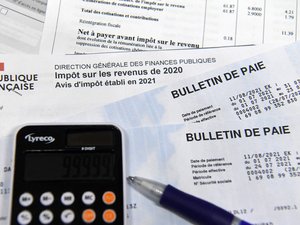
In Dübendorf, near Zurich, a teacher mistakenly received more than 36,000 Swiss Francs in wages for 20 months after her resignation in 2020. The Swiss justice system has mandated that she reimburse the amount, denying her defense of good faith. The case has sparked discussions on the responsibilities of both employees and employers when it comes to payroll management.
Background of the Case
The situation unfolded when the teacher, who officially resigned from her position in August 2020, continued to receive her monthly salary of about 1,472.60 Swiss Francs. Over the span of 20 months, this oversight accumulated to a staggering 36,883 Swiss Francs (approximately 39,000 Euros). It was only when she requested a work certificate from her former employer that the city of Dübendorf discovered the overpayment.
The city promptly notified the teacher about the error and requested that she return the funds. However, rather than complying, she decided to challenge the city’s claims through multiple legal actions, asserting that she was unaware of the ongoing salary payments.
The Teacher’s Defense
In her appeal before the Federal Court of Switzerland, the teacher attempted to argue that she acted in good faith. She contended that she had not noticed the continued salary payments and suggested that the city should have detected the error sooner, given that they were aware of her resignation. In her defense, she noted that she had already spent some of the money, including on the purchase of a new car, which made repaying the amount more difficult for her.
While her arguments may have appeared plausible, the judges were not swayed. They pointed out that the teacher had dutifully declared her earnings for tax purposes and received salary slips each month via post, indicating that she had more than enough opportunity to notice the overpayments. Consequently, the court ruled against her, ordering her to reimburse over 32,000 Euros , in addition to approximately 2,000 Euros for legal costs.
The Implications of the Case
This incident raises questions about the responsibilities of employers and employees regarding payroll processes. In a modern workplace, it’s essential for both parties to maintain clear communication, particularly when significant changes like a resignation occur. Payroll errors can be detrimental to both employees and employers, leading to financial losses and potential legal action.
Moreover, this case highlights the significance of financial literacy . While the teacher argued that she did not notice the error, it’s crucial for employees to keep track of their income statements and any fluctuations in their salaries. Being proactive can prevent such situations from escalating into legal battles.
Public Reaction
The public reaction to the case has been mixed, with some individuals expressing sympathy for the teacher’s financial situation. Many people questioned how such an extensive overpayment could go unnoticed for so long and whether there should be more robust checks from the employer’s side. Others, however, firmly believe that individuals must take accountability for their finances, especially when it comes to managing unexpected windfalls.
This incident serves as a critical reminder that employees need to be vigilant and proactive regarding their financial affairs, including monitoring their payroll deposits. With the increased use of direct deposits and automated payroll systems, situations like this could become more frequent unless addressed appropriately.
Conclusion
In conclusion, the case of the Dübendorf teacher underscores the complexities of payroll management and the need for both employees and employers to be diligent. While the financial burden of repaying the funds may be significant for the teacher, the ruling reinforces the importance of accountability in one’s financial dealings. Going forward, both parties must strive for communication and transparency to avoid similar situations in the future. This case serves as a valuable lesson for everyone involved in the workforce.