
Protests Erupt Over New Cycle Path in Tlalpan
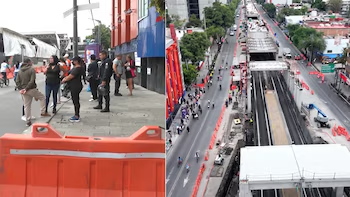
The recent inauguration of the “La Gran Tenochtitlan” cycle path on Tlalpan has stirred considerable controversy. This ambitious mobility project, launched by the Government of Mexico City as part of the lead-up to the World Cup 2026, faced immediate backlash from local sex workers whose livelihoods have been adversely affected by the road distribution changes. As hundreds of cyclists participated in the Mega Tour from the Zócalo to the Huipulco Kiosk, sex workers gathered nearby to voice their grievances, illustrating a complex juxtaposition of interests.
Conflict on the Streets
The demonstration led by sex workers initially began peacefully but quickly escalated into a confrontation with cyclists. Eyewitnesses reported moments of heightened tension marked by screaming, pushing, and fighting, as sex workers demanded access to the road while cyclists were urged to leave the area. Here lay the crux of the conflict: both parties had valid claims—cyclists advocating for road safety and sex workers fighting for economic survival.
The Economic Burden of Bike Lanes
For many sex workers who rely on foot traffic for their income, the introduction of the cycle path has posed serious financial challenges. As described by affected individuals, the construction and operation of the bike path have led to significant decreases in vehicular traffic, thereby reducing the clientele they depend on. With many sex workers as the primary breadwinners for their families, these changes have left them in dire economic straits.
Calls for Changed Policies
During the protest, sex workers articulated several demands directed toward city authorities:
- Direct dialogue with local government officials.
- Decent housing alternatives for displaced individuals.
- Official recognition that the cycle path generates dispossession among vulnerable populations.
A Call for Intervention
Reports during the protest indicated that police presence was notable, but they refrained from intervening as the demonstrated tensions unfolded. Cyclists continued their journey along the newly inaugurated path while the sex workers remained on the sidelines expressing their frustrations. Such sightings underscore the urgent need for policies that consider the multifaceted implications of urban planning, particularly when it impacts marginalized groups.
*Information in development