
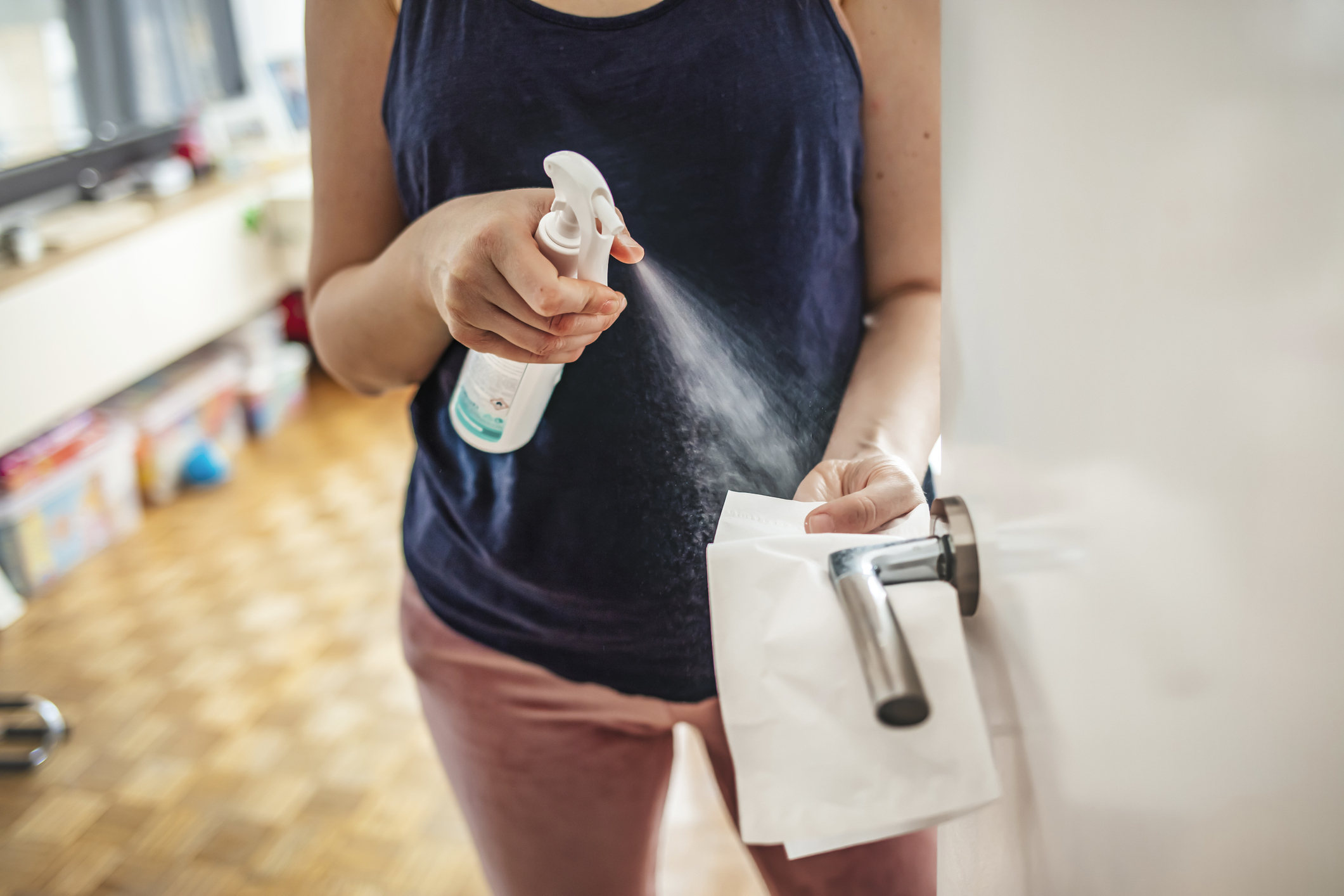
Understanding Irritating and Potentially Harmful Substances
Cleaning products often contain volatile organic compounds (VOCs) , ammonia, synthetic fragrances, and chlorinated agents. When these substances are sprayed into the air or used in poorly ventilated areas, they can irritate the respiratory tract , damage bronchial mucosa, and trigger chronic inflations.
Several pneumologists from France and Europe have raised alarms about the detrimental impact of certain household disinfectant products on respiratory health, especially affecting:
- Children who are more sensitive to chemical irritants.
- Adults suffering from asthma or chronic obstructive pulmonary disease (COPD).
- Older adults and those with allergies.
Studies Confirm Health Professionals’ Concerns
In 2018, a Norwegian study published in the *American Journal of Respiratory and Critical Care Medicine* followed over 6,000 women for 20 years . The results indicated that those who used disinfectant cleaning products several times a week had their pulmonary function deteriorating more rapidly , with effects comparable to those seen in smokers.
Further research highlighted an increased risk of occupational asthma among those working in maintenance or home care, who are regularly exposed to disinfectants. These findings align with clinical observations from pneumologists, who report a rising number of patients suffering from respiratory issues with no prior history but significant domestic exposure to these products.
Identifying Problematic Products
The products most frequently implicated include:
| Type of Product | Substances Involved | Potential Risks |
|---|---|---|
| Multi-Surface Disinfectant Sprays | Synthetic fragrances, VOCs, quaternary ammonium | Bronchial irritation, dry cough |
| Antibacterial Cleaning Wipes | Alcohol, preservatives, phenols | Mucosal drying, allergens |
| Concentrated Bleach Solutions | Sodium hypochlorite | Irritant inhalation, aggravated asthma |
| Bathroom or Toilet Cleaners | Chlorinated agents, fragrances | Harmful vapors in enclosed spaces |
| Air Fresheners and Ambient Sprays | VOCs, terpenes, solvents | Asthma and sensitization risks |
The combined or repeated use of these products, particularly without proper ventilation, significantly increases exposure to irritants.
Recommendations from Pneumologists
To mitigate risks, several pulmonary specialists recommend:
- Prioritizing simple, unscented products without unnecessary disinfectants.
- Avoiding the use of sprays directly in the air; instead, spray onto a cloth.
- Ventilating abundantly during and after cleaning.
- Wearing a mask if respiratory symptoms appear.
- Avoiding all chemical disinfectants in the case of asthma or known respiratory allergies.
Additionally, in routine household use , disinfection is generally unnecessary; regular cleaning with soapy water is often sufficient to maintain good hygiene .
Gentler Alternatives to Consider
Some natural products can effectively replace aggressive cleaners without harming health:
- White vinegar for descaling.
- Baking soda for deodorizing and scrubbing.
- Black soap for floors and surfaces.
- Hot water and a microfiber cloth in most cases.
It is not necessary to systematically disinfect all surfaces in a home unless in cases of contagious illness or specific conditions (such as caring for an immunocompromised person).
Essential Vigilance in Vulnerable Households
In homes where children, seniors, or individuals with respiratory conditions reside, caution is crucial. Cleanliness should not come at the expense of health , especially when simple actions can avoid toxic irritants. Pneumologists emphasize that the obsession with hygiene , largely fueled by marketing, can lead to counterproductive outcomes regarding respiratory health. A “healthy” home is primarily a well-ventilated, properly maintained space, devoid of excessive chemicals.