
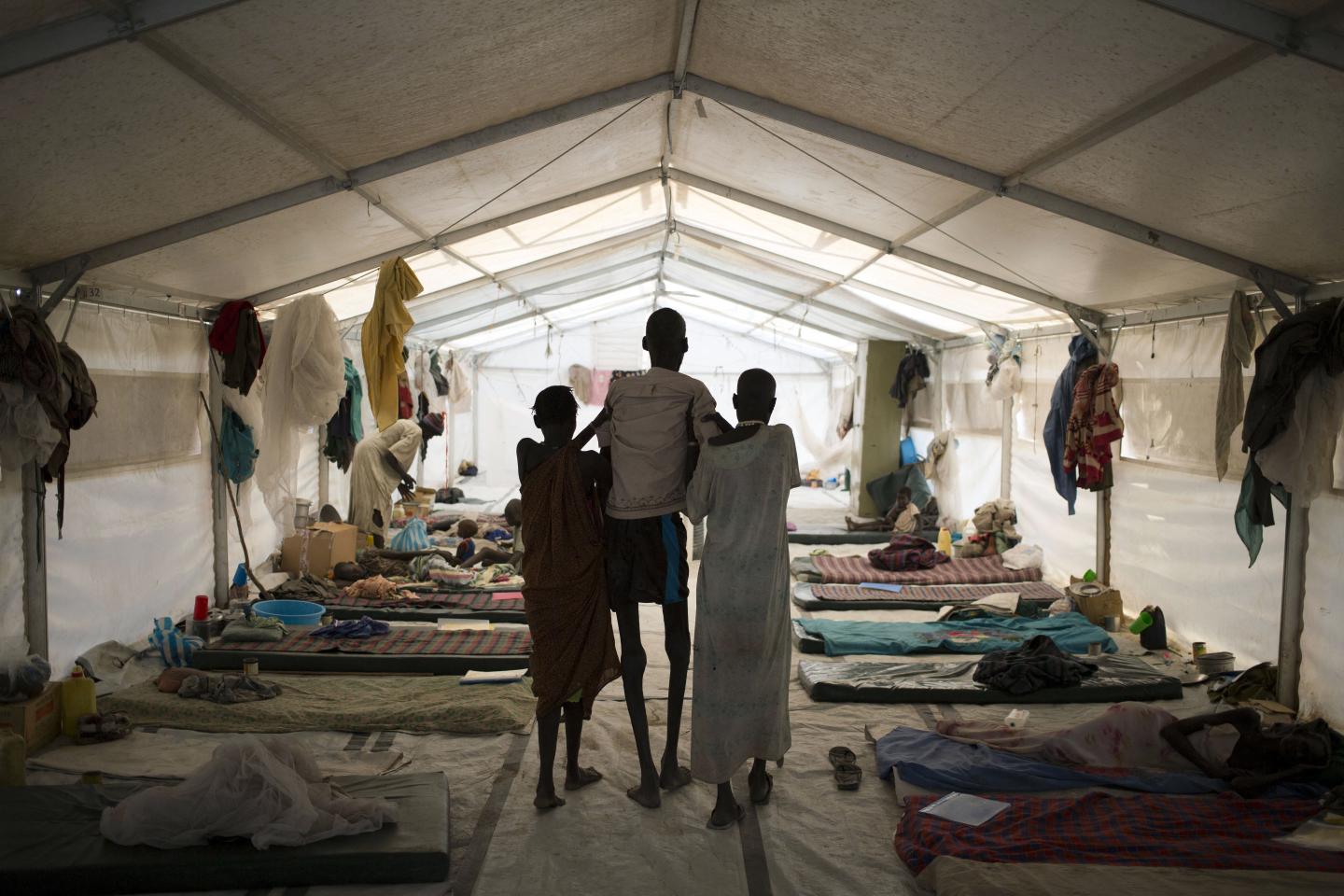
Understanding Visceral Leishmaniasis: A Health Crisis in East Africa
Visceral **leishmaniasis** is a grave infectious disease caused by parasites primarily transmitted through the bites of infected **sandflies**. Known as the second most lethal **parasitic disease** in the world after **malaria**, it poses significant health challenges in regions where **public health** measures are inadequate. The disease primarily affects vital organs, such as the **liver**, **spleen**, and **bone marrow**, leading to serious health complications and, if untreated, often results in death.
The Severity of Visceral Leishmaniasis
Each year, visceral leishmaniasis claims between **20,000 to 30,000 lives**, with the majority of fatalities occurring in **East Africa**. Countries such as **Chad**, **Somalia**, **Sudan**, **Ethiopia**, **Djibouti**, and **South Sudan** are among the hardest hit by this dreadful disease. The growing incidence in these regions emphasizes the need for immediate, effective intervention strategies to combat this health crisis.
Recent Political Commitments to Combat the Disease
On May 21, a significant political agreement was signed by the six affected countries, committing them to collaborate towards the elimination of visceral leishmaniasis from the sub-region. This agreement has sparked hope for better health outcomes, with ambition to reduce new cases by **90%** and ensure that the majority of patients can access treatment within **30 days** of symptom onset by **2030**. This marks a proactive step towards tackling the disease head-on.
Goals for Elimination and Control
The objectives set forth in the agreement are notably ambitious. They include:
- Significantly enhancing access to **early diagnosis** and effective treatment options.
- Strengthening **surveillance** systems to closely monitor the disease and its spread.
- Implementing strategies to combat **vector insects**, which play a critical role in transmitting the disease.
- Increasing **public awareness** campaigns to educate communities on prevention methods.
- Supporting **research** to better understand the disease and explore innovative treatment options.
The Importance of Early Diagnosis and Treatment
One of the central challenges in managing visceral leishmaniasis is the **delay** in diagnosis. Many patients often go undiagnosed until the disease has advanced to critical stages, where treatment becomes less effective. Early detection is pivotal not only for the individual’s recovery but also for halting the spread of the disease in communities. Increased efforts are required to promote health education that encourages individuals to seek medical help at the earliest signs of symptoms.
Vector Control: A Key Component
Controlling the **vector population**—the sandflies—is a crucial step in the fight against visceral leishmaniasis. Implementing strategic measures, such as insecticide spraying and environmental management, can significantly lower the chances of transmission. Additionally, community involvement is essential; educating inhabitants about vector control practices can empower them to take preventive actions in their daily lives.
Public Awareness and Community Engagement
Effective public health education campaigns are vital in raising awareness about visceral leishmaniasis. Communities must be informed of both the risks associated with the disease and practical prevention measures. Additionally, engaging community leaders and healthcare workers can help promote understanding and encourage health-seeking behaviors among population members.
Research and Development Needs
Investing in **research** is a long-term solution to combat visceral leishmaniasis. More funding, both from governments and international organizations, is necessary to pursue studies aimed at understanding the complexities of the disease. Research should focus on identifying more effective treatments, vaccines, and sustainable strategies for vector control, thus providing a comprehensive approach to mitigating this public health crisis.
Conclusion
The fight against visceral leishmaniasis requires a multi-faceted approach, integrating health services, community involvement, and strong political commitments. The recently signed agreement among East African nations signifies a hopeful step towards addressing the dire health challenges posed by this disease. To achieve the ambitious goals set out for 2030, efforts must be sustained and collective among countries, health organizations, and communities alike. Together, they can work towards reducing the burden of visceral leishmaniasis and ultimately save countless lives.
This text carries a comprehensive overview of visceral leishmaniasis, emphasizing the political commitments, public health initiatives, and necessary actions needed to combat the disease effectively in East Africa.