
The dream of a seamless smart home where everything communicates flawlessly often seems just out of reach. The reality is usually fraught with a chaotic mix of incompatibilities and frustrating bugs. Even with all devices from a single brand, the tasks of assembly and cable management can turn into a nightmare. Enter Huawei, offering a solution that, while not inexpensive, promises to ease the extensive burden of setting up a smart home.
The Complete Pack for Smart Homes
According to Panda Daily, Huawei has rolled out several packages tailored for smart home solutions. These packages cater to both new constructions and retrofits for existing homes. The goal is to provide a holistic smart living experience via their HarmonyOS system.
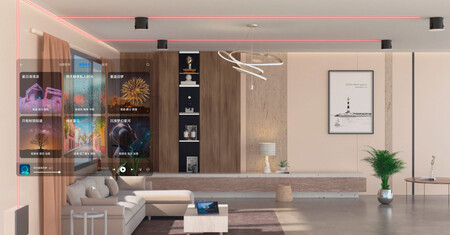
Overall, Huawei offers six different packs: three designed for new homes and another three for existing ones. The most affordable option is the ‘starter pack’ for retrofitted homes, priced at 1,200 euros, which includes a centralized control hub along with basic functionalities like lighting, air conditioning, and curtain control.
Premium Offerings
The premium packages, intended for new builds, start at over 3,500 euros and offer full-house WiFi 7 connectivity while managing lighting, curtains, air conditioning, and introducing safety features such as kitchen smoke sensors and smart locks. The top-tier package can soar to nearly 12,000 euros and includes high-end additions like AI cameras, ambient lighting strips, and integrated audio systems throughout the home.
The Installation Advantage
All Huawei packs come with installation services, promising completion within 24 hours for existing homes. Currently, this offering is only available in China, where Huawei has previously launched similar smart home solutions.
Navigating Home Automation Chaos
While Spain has installation firms that offer smart home solutions, there are few brands like Samsung or Xiaomi that provide comprehensive packages. Most users find themselves purchasing devices individually and tackling the installation process themselves. While setting up lights and cameras may be straightforward, more advanced automation—like controlling blinds—often necessitates professional help.
Moreover, compatibility poses a significant hurdle. In my experience, managing separate apps for multiple devices—like cameras, lights, a robot vacuum, and an automatic pet feeder—creates a fragmented and cumbersome process, especially when there’s a Wi-Fi disruption.
The Future: Seeking Standardization
Standards like Matter promised to bring order to this chaos, but their rollout has been lackluster. Many devices remain incompatible, and even those that work with Matter often lose vital features when integrated with other platforms.
Conclusion: A Convenience that Comes at a Cost
Returning to Huawei’s offerings, while spending several thousand euros on a smart home package and remaining tied to a single brand may seem excessive, the convenience they provide highlights substantial shortcomings in today’s smart home landscape. As consumers, we are left navigating a convoluted web of devices and systems in desperate need of unification.