
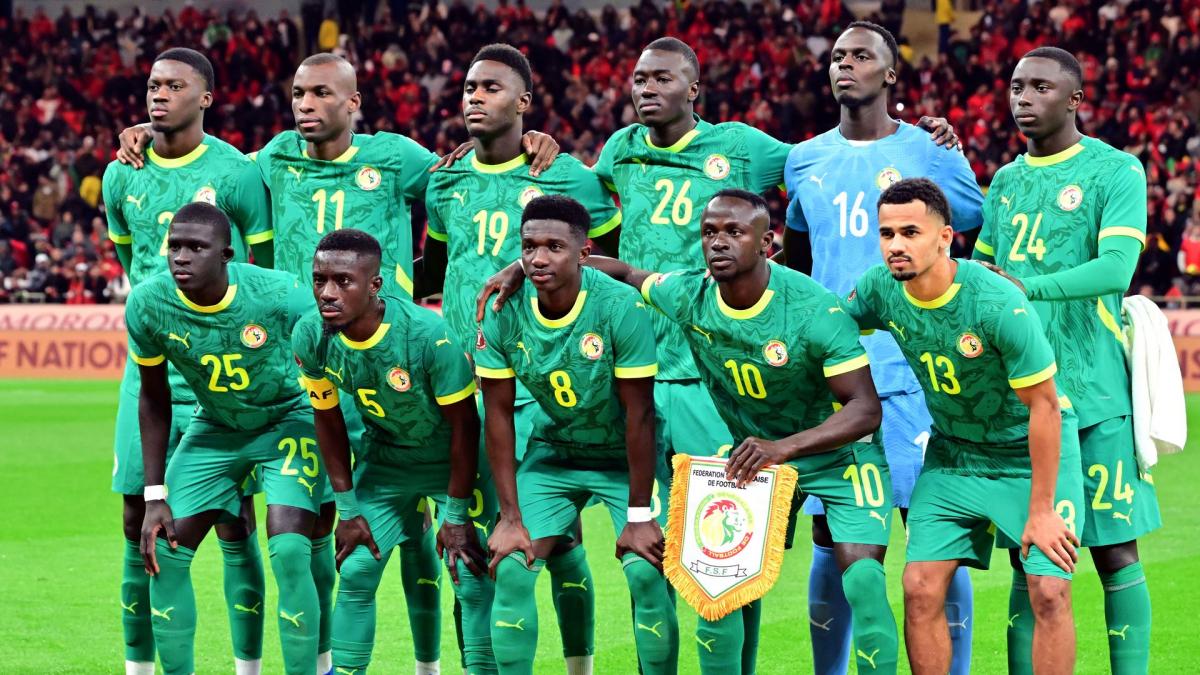
Senegal’s Legal Battle: The Court of Arbitration for Sport Awaits
The football landscape in Africa is currently buzzing with controversy following the Confederation of African Football (CAF) appeal jury’s decision to award Morocco the title of the Africa Cup of Nations (CAN) 2025 final on a controversial ruling. Just two months after Senegal claimed victory in the match against Morocco (1-0), this abrupt decision has led to public outcry and a pledge from the Senegalese Football Federation (FSF) to take legal action.
A Shocking Decision
On March 17, 2026, the CAF’s surprise announcement declared the match’s result null and void, declaring Senegal forfeit and officially giving Morocco the title with a 3-0 scoreline. This decision stems from an appeal lodged by the Royal Moroccan Football Federation (FRMF), and it’s based on the interpretation of Articles 82 and 84 of the competition regulations. Such a drastic measure has sent shockwaves throughout the African football community, raising questions about fairness and justice in sports governance.
The Response from Senegal
In a press release shortly after the decision, the FSF expressed its deep disappointment and concern. The announcement described the ruling as “unfair, unprecedented and unacceptable,” claiming it tarnishes the reputation of African football. The FSF outlined its intent to contest the sanction, noting that, according to their interpretation, the tribunal had not fairly considered Senegal’s case during the initial proceedings.
Key Concerns Raised by the FSF
The FSF elaborated on several critical points regarding the decision to annul the victory:
Right to be Heard: The appeal jury stated that the appellant’s right to be heard was not respected in the first instance. The FSF firmly contests this interpretation, believing it unjustly penalized their team’s performance.
Disproportionate Sanction: The FSF argues that the penalty is excessively severe and detrimental to the integrity of Senegalese football. They feel that such a drastic action undermines the spirit of fair competition in sports.
Next Steps: An Appeal to the Court of Arbitration for Sport
In light of the perceived injustice, the Senegalese Football Federation has announced plans to escalate the matter to the Court of Arbitration for Sport (CAS) based in Lausanne. They aim to seek redress and restore their victory. The FSF reiterated its commitment to sporting integrity, promising to keep the public informed of any developments in the case.
Conclusion: Heightened Tensions in African Football
This unfolding saga reflects ongoing tensions in African football governance, raising critical questions about fairness and administrative procedures. As Senegal prepares to fight for what it deems rightful recognition, the broader implications of this case will likely resonate throughout the continent. The actions taken in the coming weeks will not only impact Senegal but could also shape the future landscape of football governance in Africa.
As the situation develops, all eyes will be on the CSF and the CAS, watching to see how justice prevails in a sport that merits fairness, respect, and transparency.