
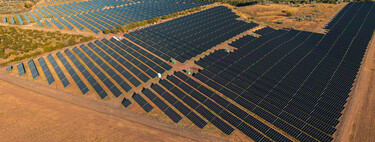
The spring of 2025 marked a significant turning point in the mindset of Spanish consumers. The unprecedented “Great Blackout” left millions without electricity, fundamentally changing how solar panels are perceived. Once viewed primarily as a method to lower monthly bills, solar energy is now recognized as a vital means of ensuring resilience and energy independence amidst market fluctuations.
The Consolidation of Solar Power in Spain
According to the “Solar Report 2025: X-ray of self-consumption in Spain”, commissioned by SotySolar in partnership with the Spanish Photovoltaic Union (UNEF), the solar market is entering a phase of maturity following rapid growth. By the end of 2024, Spain achieved an installed capacity of 8,137 GW, correlating closely with figures from the Ministry for the Ecological Transition (MITECO), which reports 8,255 GW. However, Red Eléctrica estimates a higher total of 8.7 GW, factoring in additional data from the Electrical Measurements System (SIMEL) and the System Operator (OS).
Shifting Funding Landscape
With the conclusion of the European Next Generation funds, the solar industry is moving away from reliance on direct subsidies, fostering a more sustainable profitability model. This shift has significantly impacted various regions, with Catalonia emerging as a standout success story. An impressive 20.6% spike in interested parties can be attributed to effective management of local incentives.
While self-consumption showed overall strength, early 2025 experienced a slight slowdown, with the residential sector witnessing a 14% decline in installations compared to 2024 averages. Nevertheless, since 2021, self-consumption continues to exhibit stable growth, proving to be more resilient than the large-scale solar plant sector.
The Evolving Consumer Profile
The profile of solar energy users has transformed into a more knowledgeable and discerning demographic. Although financial savings remain the primary motivation for 65% of users, factors like sustainability (12%) and energy independence (8%) have gained unprecedented prominence. As José Donoso, CEO of UNEF, points out, self-consumption is no longer a niche technology; it has become a “reliable and essential appliance.” Consumer behavior now also emphasizes installer reliability, with 25% of users considering recommendations and support for procedures as crucial deciding factors.
Transformative Financing Models
The financing landscape for solar energy has undergone a radical transformation, evolving from a barrier into a facilitator. Between 60% and 70% of households are now opting for flexible payment plans, with this figure climbing to 80% for projects exceeding €10,000 or including battery installations. Strategic partners like Pontio anticipate surpassing 10,000 funded installations by 2026.
This financial empowerment is fostering the integration of aerothermal energy, which complements photovoltaic systems effectively. Approximately 66% of solar system owners plan to adopt aerothermal energy in the upcoming three years. However, experts from Xataka highlight that about 80% of Spanish homes have technical issues in their electrical installations, necessitating prior evaluations to ensure efficient energy use.
Future Roadmap for Solar Growth
To sustain momentum, UNEF has advocated urgent measures aimed at enhancing the sector’s structural profitability. Key recommendations include:
- Implementing tax incentives, such as reduced VAT for installations with and without batteries.
- Extending the distance for shared self-consumption from 2 km to 5 km.
- Streamlining administrative processes by eliminating access and connection permits for facilities injecting less than 15kW into the grid.
- Adjusting toll structures to encourage savings, targeting a distribution of 25% fixed and 75% variable costs.
Furthermore, Red Eléctrica has committed to enhancing the visibility of solar energy contributions, providing detailed self-consumption data across its platforms from late 2025. Solar energy now accounts for nearly 4% of national energy demand.
Conclusion: An Irreversible Trend
Self-consumption in Spain has matured beyond being a mere reaction to price surges; it represents a strategic choice. José Carlos Díaz Lacaci, CEO of SotySolar, stresses that the path toward electrification is now “irreversible.” The primary challenge for 2026 will be to modernize existing real estate and implement a smart management model that ensures every ray of sunlight contributes to the energy independence of Spanish citizens.
Image credit: Unsplash