
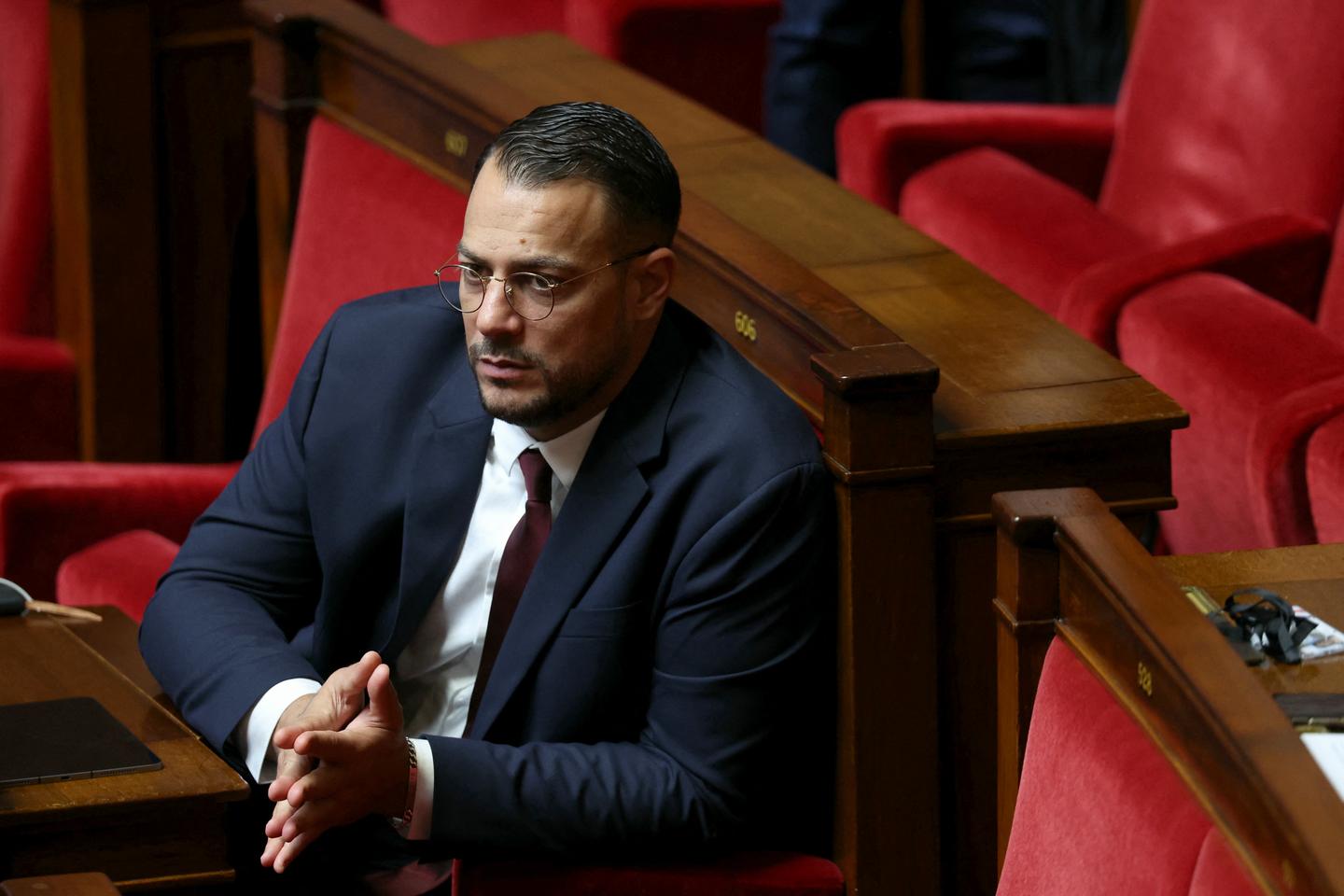
The Controversial Case of Deputy Sébastien Delogu
The political landscape in France has recently been shaken by events surrounding **Sébastien Delogu**, a deputy representing **La France Insoumise** (LFI) from **Bouches-du-Rhône**. This case has not only raised eyebrows but has also sparked a national conversation about **parliamentary integrity** and the delicate balance between **government oversight** and **political persecution**.
What Happened?
On May 15, 2024, Sébastien Delogu and his colleague, **Manuel Bompard**, were set to release a report examining the real effects of the *Marseille in Grand* initiative. However, that morning, Delogu found himself in a troubling position when the **financial brigade police** conducted a search at his home and his additional office in Marseille. The timing of the searches, just before a significant press release, led to rampant speculation about the motivations behind them.
The Police Action: A Closer Look
The police operation began early, around **6 AM**, aiming to collect evidence related to potentially criminal activities. Following the initial search, Delogu was taken to his parliamentary office for a second round of investigations. Bompard publicly questioned the urgency of such actions, emphasizing the logistical ease of resolving inquiries through a **free hearing** instead. The perceived **intimidation tactics** used against Delogu have raised serious concerns among his supporters and political allies.
Political Repercussions
The fallout from these events has reverberated throughout the French political arena. Several figures from the left, including key members of **LFI**, have condemned the actions as an unfair attack on parliamentary democracy. Bompard’s comments reflect a broader sentiment within the party: “To think that a deputy, Sébastien Delogu, can be subjected to these actions simply for doing his job is deeply shocking.” This incident appears to be merely the tip of the iceberg in a series of challenges facing leftist parties in France.
The Context of Political Intimidation
Political motivations behind legal actions often serve as a double-edged sword. While accountability is essential in governing, the fine line between oversight and harassment can easily blur. As the elected representatives of the people, deputies are obligated to report any criminal activity they encounter. However, when the act of reporting leads to undue repercussions, such as police searches, it raises critical concerns about **freedom of speech** and the **right to investigate**.
Delogu’s situation is ironic considering he sought to shed light on important societal issues. The very laws meant to protect the public might seem to be weaponized against those who dare to expose wrongdoings. The question arises: Is this a sign of growing **political backlash** against auditors of government policy?
The Public’s Reaction
Public reception of these events has varied significantly. Many citizens believe that this incident symbolizes the growing hostility towards transparency and accountability in governance. **Supporters of LFI** have taken to social media platforms to express their solidarity with Delogu, arguing that his commitment to uncovering truth should be celebrated, not condemned.
Moreover, the media’s coverage—spanning several outlets—has played a crucial role in shaping the narrative. Some portray the searches as a necessary law enforcement action, while others criticize them as an assault on democratic principles. The **polarized views** highlight the divisive atmosphere surrounding political discourse in contemporary France.
Future Implications
Looking ahead, the ramifications of this incident could be far-reaching. As Delogu faces the consequences of the police search, the future of the **Marseille in Grand** investigation remains uncertain. Will this deter future investigations into government practices? Or will it galvanize more deputies to demand accountability from their peers?
The potential for increased **political activity** among leftist parties might serve as a counterbalance against perceived government overreach. As discussions around the case continue, it will be essential to monitor how governmental actions influence political ideals in the country.
A Call for Accountability
Bompard’s closing remarks resonate with many lawmakers and citizens alike: “If the prosecution truly needed documents, a simple hearing would suffice.” His statements encapsulate the essence of what is at stake in this incident—a push for clarity, **accountability**, and respect for the democratic process.
Against this backdrop, the fate of Sébastien Delogu will not only determine the implications for his career and the **LFI** but also set a precedent for how future political investigations are conducted in France.